
Environment
-

Building Resilience: The Continual-Learning Climate Adaptation Interface for Healthcare Systems
Introduction The intersection of climate change and public health is no longer a theoretical concern for the future; it is an immediate operational reality. From unprecedented heatwaves straining emergency departments to the geographical expansion of vector-borne diseases, climate volatility is stress-testing healthcare infrastructure globally. As systems face unpredictable environmental shocks, static disaster response plans are…
-

The Future of Sustainability: Building a Few-Shot Carbon Removal Compiler for Supply Chains
Introduction Modern supply chains are notoriously opaque, complex, and carbon-intensive. As global regulations tighten and consumer demand for transparency reaches a fever pitch, companies are no longer being asked to estimate their carbon footprint—they are being required to actively optimize for removal. The challenge, however, is data scarcity. Most supply chain entities lack the granular,…
-
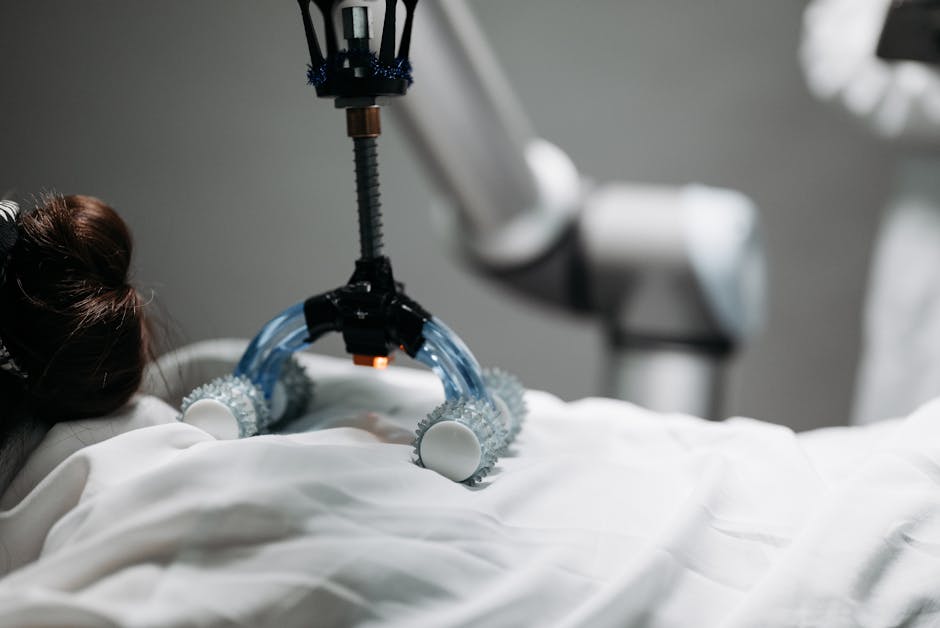
Safety-Aligned Soft Robotics: The Future of Geoengineering and Climate Restoration
Introduction The urgency of the climate crisis has shifted geoengineering from the realm of science fiction to a necessary field of active research. From ocean fertilization to atmospheric aerosol injection, the goal is to stabilize our planet’s systems. However, traditional geoengineering—often characterized by rigid, high-impact industrial interventions—carries significant ecological risks. What if we could intervene…
-

The Future of Climate Resilience: Open-World Cellular Robotics Simulators
Introduction The climate crisis is a problem of scale, complexity, and interconnected systems. Traditional modeling—which often relies on static equations and linear projections—is increasingly insufficient for a world defined by climate volatility. To engineer our way out of this, we need a paradigm shift: move away from top-down design and toward bottom-up biological mimicry. Enter…
-

Engineering the Infinite: Self-Healing Programmable Biology for Space Systems
Introduction As humanity pushes toward long-duration deep space exploration, the primary limiting factor is no longer just propulsion—it is logistics. Traditional supply chains fail when a mission to Mars lasts three years, or when a lunar habitat requires a replacement component that is months away from Earth. To conquer the void, we must shift from…
-

Causality-Aware Digital Twins: The Future of Geoengineering Oversight
Introduction As the climate crisis accelerates, geoengineering—the deliberate, large-scale intervention in the Earth’s natural systems—has transitioned from science fiction to a serious policy consideration. Whether we discuss solar radiation management (SRM) or marine cloud brightening, the primary obstacle remains uncertainty. How do we predict the global ripple effects of a localized intervention? The answer lies…
-

The Rise of Competitive Generative Simulation in Climate Tech
Introduction The challenge of climate change is not merely one of emission reduction; it is a problem of extreme complexity. From urban heat islands and erratic supply chain logistics to the delicate interplay of renewable energy grids, we are managing systems that are too chaotic for traditional linear modeling. Enter competitive generative simulation—a paradigm shift…
-
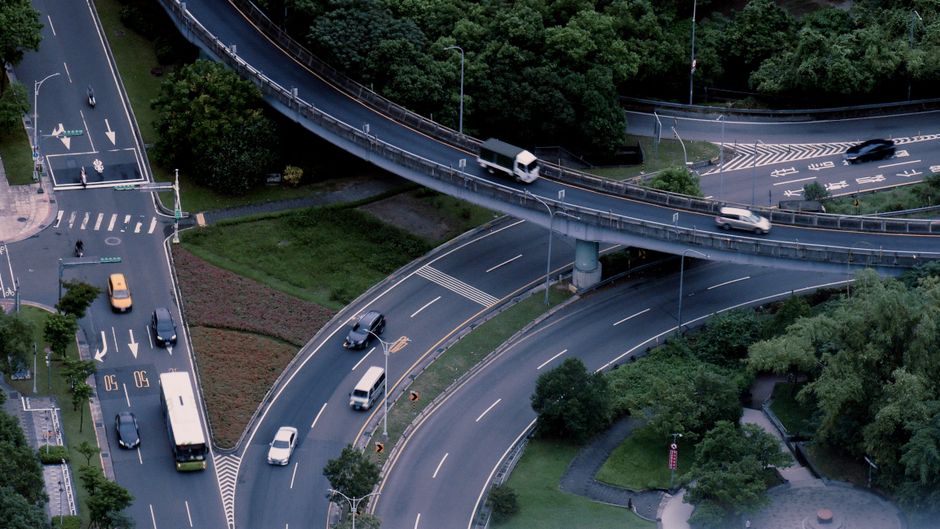
Verifiable Optimal Transport: The Future of Resilient Energy Systems
Introduction As our global energy infrastructure transitions toward decentralized, renewable-heavy grids, the challenge of balancing supply and demand has shifted from a centralized control problem to a complex, multi-agent coordination puzzle. Traditional grid management relies on deterministic models that often struggle to account for the stochastic nature of solar, wind, and distributed battery storage. Enter…
-
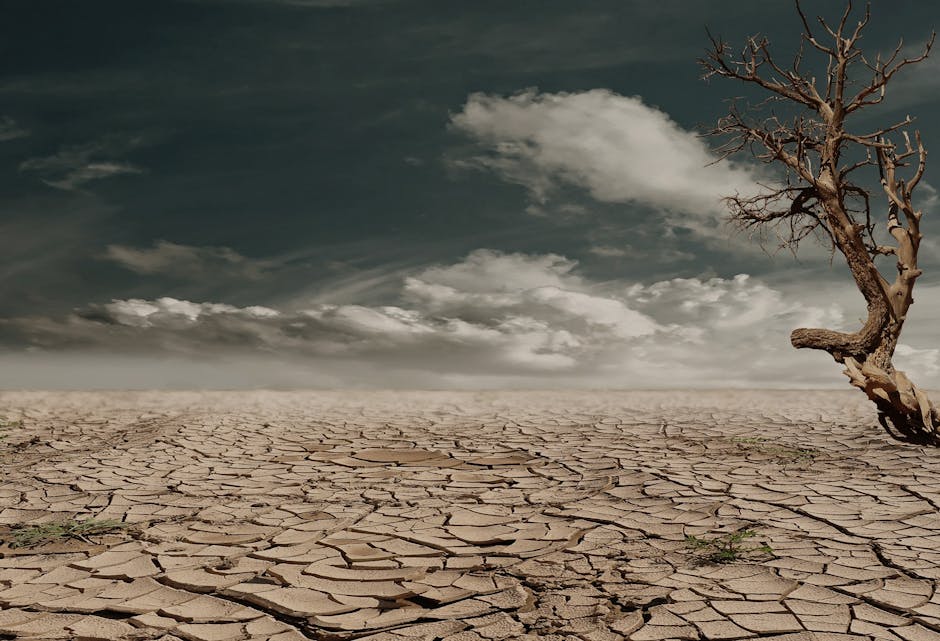
Fault-Tolerant Climate Adaptation: Engineering Resilient Autonomous Vehicle Toolchains
Introduction Autonomous Vehicles (AVs) are no longer confined to the pristine, sunny roads of Silicon Valley. As the industry pushes toward Level 4 and Level 5 autonomy, the greatest hurdle is no longer just algorithm logic—it is environmental variance. From sudden torrential downpours in the Pacific Northwest to sub-zero ice storms in the Midwest, climate…
-

Self-Healing Carbon Removal Interfaces: The Future of Sustainable Healthcare Infrastructure
Introduction The healthcare sector is a paradox: it is tasked with healing populations while simultaneously contributing to approximately 4.4% of global net carbon emissions. As hospitals transition toward net-zero goals, they face a critical infrastructure challenge. Traditional carbon capture systems are often rigid, maintenance-heavy, and prone to mechanical fatigue. Enter the concept of the self-healing…