
Environment
-
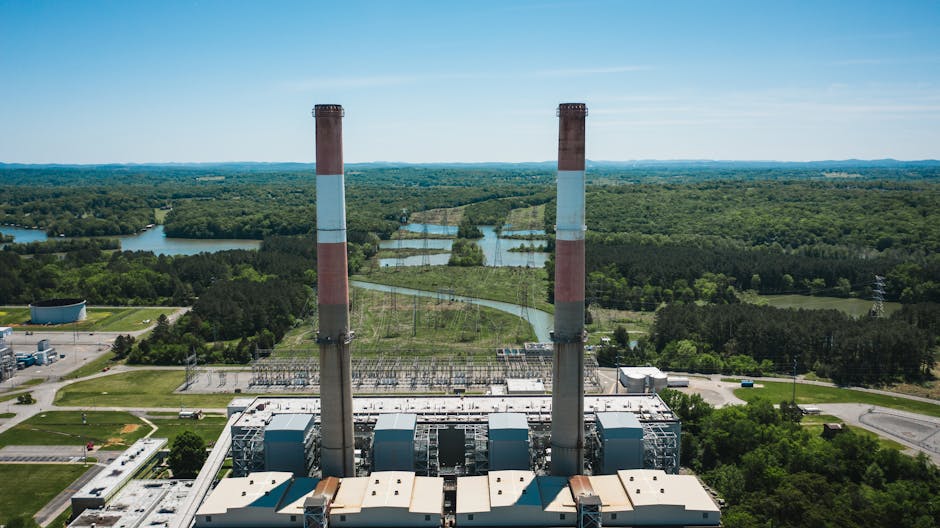
Energy-Aware Digital Twins: Optimizing Sustainable Precision Agriculture
Introduction Modern agriculture is undergoing a massive transformation, shifting from broad-acre management to precision-based, data-driven operations. However, the rapid deployment of Internet of Things (IoT) sensors, autonomous drones, and edge-computing gateways in the field has created a hidden bottleneck: energy consumption. When thousands of remote sensors operate on battery power or limited solar harvesting, the…
-

The Future of Climate Tech: How Competitive AI Tutors Are Accelerating Innovation
Introduction The climate crisis is arguably the most complex challenge humanity has ever faced. Solving it requires more than just political will; it demands a radical acceleration in technical literacy. As professionals pivot toward the green economy, the learning curve is steep. Whether you are an engineer looking to specialize in carbon capture or a…
-

Topology-Aware Climate Adaptation: A New Paradigm for Geoengineering
Introduction As the global climate crisis intensifies, traditional approaches to mitigation and adaptation are proving insufficient. We have spent decades treating the Earth as a monolithic system, applying broad-brush solutions to complex, localized problems. However, the emerging field of Topology-Aware Climate Adaptation suggests a radical departure: viewing the Earth’s surface not as a flat map,…
-

The Convergence of Quantum Computing and Carbon Removal: A New Frontier for Neuroethics
Introduction We stand at a unique historical juncture where two of humanity’s most ambitious technological trajectories—quantum computing and climate engineering—are beginning to intersect. As we face the escalating urgency of the climate crisis, the deployment of large-scale Carbon Dioxide Removal (CDR) systems has become a global imperative. However, these systems are not merely technical challenges;…
-

Energy-Aware Quantum Machine Learning Simulators: The Future of Climate Tech
Introduction The intersection of quantum computing and climate technology represents one of the most critical frontiers in modern science. As we race to decarbonize the global economy, we face optimization problems—such as carbon capture material discovery and complex power grid stabilization—that are fundamentally beyond the reach of classical supercomputers. However, there is a paradox: while…
-
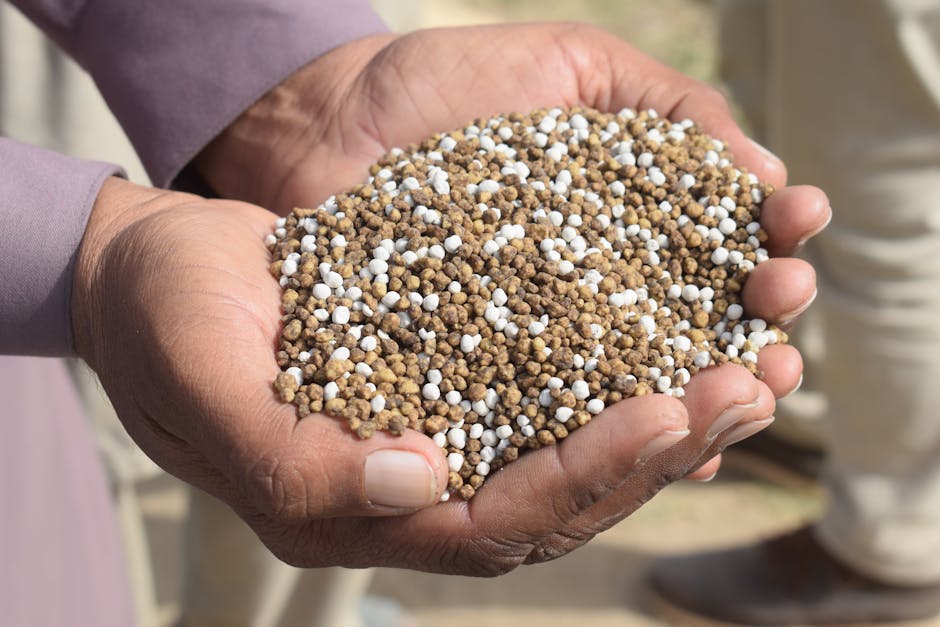
Quantum-Enhanced Synthetic Fertilizers: The Mathematical Toolchain Redefining Agriculture
Introduction For over a century, the Haber-Bosch process has served as the backbone of global food security. By converting atmospheric nitrogen into ammonia, we have fueled the growth of the global population. However, this process is notoriously energy-intensive, consuming approximately 1-2% of the world’s total energy supply and accounting for a significant portion of global…
-

The Future of Climate Tech: How Multimodal Learning Simulators Are Accelerating Innovation
Introduction The climate crisis is a multi-dimensional challenge. It does not exist in a vacuum; it is a complex web of atmospheric physics, supply chain logistics, socio-economic policy, and material science. For years, engineers and climate scientists have relied on siloed models—software that excels at predicting temperature shifts but fails to account for the human…
-

Zero-Shot Climate Adaptation Simulators: The Future of Resilient Urban Planning
Introduction Urban centers are currently facing a dual crisis: unprecedented population density and a rapidly shifting climate. Traditionally, city planners have relied on historical data—looking at the last 50 years of rainfall, heatwaves, and infrastructure performance—to predict future needs. However, the climate has become non-linear, rendering historical models obsolete. We are moving into an era…
-
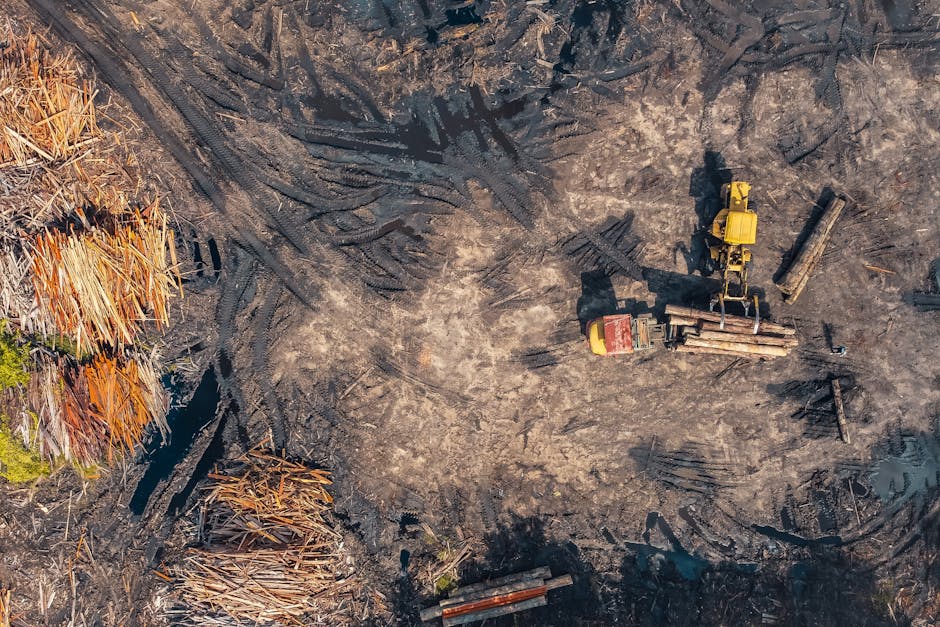
Safety-Aligned Carbon Removal: A Framework for Responsible Geoengineering
Introduction As the global climate crisis intensifies, the conversation around geoengineering has shifted from the fringes of academia to the center of policy debates. While traditional emissions reductions remain the priority, it is increasingly clear that we need to remove existing carbon dioxide from the atmosphere to meet the goals of the Paris Agreement. However,…
-

Securing the Future: Building an Open-World Quantum-Safe Cryptography Simulator for Climate Tech
Introduction The convergence of climate technology and quantum computing presents a paradoxical challenge. While quantum computers promise to revolutionize our ability to model complex climate patterns, carbon sequestration materials, and renewable energy grids, they simultaneously threaten the very infrastructure securing that data. Current encryption standards, such as RSA and ECC, are vulnerable to Shor’s algorithm,…