The integration of XAI into existing quality management systems streamlines the path to certification.

The Integration of XAI into Quality Management Systems: Streamlining the Path to Certification Introduction For organizations operating in regulated industries—such as aerospace, automotive, medical devices, and finance—Quality Management Systems (QMS) are the backbone of operational […]


Clear communication protocols are necessary when explaining AI decisions to end-users and regulators.

Outline Introduction: The “Black Box” problem in AI and why transparency is now a business and regulatory imperative. Key Concepts: Defining Explainable AI (XAI), local vs. global explanations, and the distinction between technical interpretability and […]

Ethical governance involves establishing clear internal policies for the responsible use of generative AI.

Contents1. Main Title: The Architecture of Integrity: Building an Ethical Framework for Generative AI2. Introduction: Addressing the tension between rapid innovation and institutional risk.3. Key Concepts: Defining AI governance, transparency, and accountability in the context […]

Documentation should be accessible to both technical teams and non-technical oversight committees.

Outline Introduction: The “Translation Gap” between engineering and governance. Key Concepts: Defining Universal Documentation (The Multi-Layered Approach). Step-by-Step Guide: Implementing the “Executive Summary/Technical Detail” framework. Case Study: How a FinTech firm bridged the gap during […]

Internal audits should be conducted at every stage of the AI lifecycle, from conception to retirement.

The Lifecycle Audit: Why AI Governance Must Begin at Conception and End at Retirement Introduction Artificial Intelligence is no longer an experimental luxury; it is the engine driving modern business operations. However, the speed at […]

Intellectual property protection remains a challenge when disclosing model logic for transparency purposes.

Outline Introduction: The tension between AI transparency and proprietary advantage. Key Concepts: Defining “Model Logic,” “Black Box Models,” and “Intellectual Property (IP) exposure.” Step-by-Step Guide: Strategies for protecting IP while adhering to transparency standards (e.g., […]

Transparency is a competitive advantage, as it fosters consumer trust and brand reliability.

Transparency as a Competitive Advantage: Building Trust in the Modern Marketplace Introduction In an era defined by instant access to information, the wall between businesses and consumers has effectively crumbled. Today’s consumers are not just […]

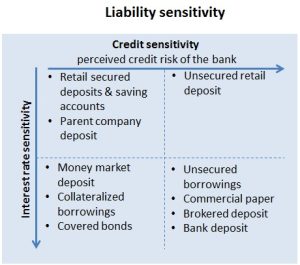
Liability frameworks are being redefined to clarify the responsibilities of developers and deployers.

Contents 1. Introduction: The shifting landscape of AI and software liability.2. Key Concepts: Differentiating between the “Developer” (the creator) and the “Deployer” (the integrator).3. Step-by-Step Guide: How companies can conduct a liability audit and risk […]

Risk management strategies must account for the evolving nature of AI-related legal liabilities.

Outline Introduction: The shift from static software risks to dynamic AI liability. Key Concepts: Defining “Black Box” liability, algorithmic bias, and shifting regulatory frameworks (EU AI Act, NIST AI RMF). Step-by-Step Guide: Building a resilient […]

Bias mitigation strategies must be formally documented to demonstrate adherence tonon-discrimination principles.

The Mandate for Transparency: Documenting Bias Mitigation to Ensure Fair AI and Algorithmic Systems Introduction As artificial intelligence and algorithmic decision-making tools become deeply embedded in hiring, lending, healthcare, and criminal justice, the question is […]