

Outline
- Introduction: The hidden liability of “explanation debt” in regulated industries.
- Key Concepts: Defining historical explanation reports vs. raw data logs.
- Why Archiving Matters: Regulatory mandates (GDPR, HIPAA, Sarbanes-Oxley) and the “burden of proof.”
- Step-by-Step Guide: How to build a compliant archival pipeline.
- Case Studies: Financial services (algorithmic trading) and Healthcare (AI diagnostics).
- Common Mistakes: The pitfalls of “cold storage” without retrieval validation.
- Advanced Tips: Immutable ledgers and cryptographic hashing.
- Conclusion: Moving from defensive compliance to operational intelligence.
The Compliance Imperative: Why Archiving Historical Explanation Reports is Non-Negotiable
Introduction
In the modern data-driven enterprise, the most valuable assets are often the insights generated by automated systems. However, in heavily audited sectors—such as finance, healthcare, and energy—the value of a decision is eclipsed by the necessity of proving how that decision was made. This is the era of algorithmic accountability. If your systems make critical decisions but cannot reproduce the logic behind those decisions years later, you are not just operationally inefficient; you are in a state of chronic regulatory vulnerability.
Archiving historical explanation reports is no longer a “nice-to-have” IT housekeeping task. It is the backbone of your defense during a regulatory audit. Without a robust, accessible archive of the context and logic surrounding past outputs, your organization risks hefty fines, legal liability, and a catastrophic loss of institutional trust.
Key Concepts
To understand the necessity of archiving, we must distinguish between raw data logs and historical explanation reports.
A raw data log records the inputs (e.g., a customer’s credit score or a patient’s vitals) and the final output (e.g., loan denial or a diagnosis). A historical explanation report, by contrast, captures the state of the system at the time of the decision. This includes:
- Model Versioning: Which specific iteration of the algorithm generated this result?
- Feature Attribution: Which variables carried the most weight in the decision-making process?
- Contextual Metadata: What were the prevailing regulatory or market conditions that informed the decision?
Archiving these reports means creating a “system of record” that allows auditors to peer back into the black box. It shifts the burden of proof from trusting the process to validating the logic.
Step-by-Step Guide: Building a Compliance-Ready Archival Pipeline
- Identify Audit Triggers: Catalog every regulatory requirement that dictates data retention (e.g., CCPA for privacy, Basel III for banking). Map these to specific automated processes.
- Automate Explanation Capture: Integrate an “explanation wrapper” into your decision-making systems. Every time an algorithm fires, it should automatically generate a JSON or PDF report detailing the decision logic and store it in an ingestion queue.
- Implement Write-Once-Read-Many (WORM) Storage: To ensure compliance with SEC Rule 17a-4 and similar standards, store your archives in a WORM-compliant format. This prevents tampering or accidental deletion of historical logs.
- Establish Retrieval Protocols: An archive is useless if it cannot be accessed under pressure. Conduct quarterly “Fire Drills” where compliance teams are asked to retrieve an explanation report from three years prior within a set timeframe.
- Apply Lifecycle Policies: Distinguish between “active” archives (for immediate audit defense) and “deep storage” (for long-term regulatory retention). Automate the transition to reduce cloud storage costs.
Examples and Case Studies
Financial Services: Algorithmic Trading
Following a market flash crash, regulatory bodies frequently demand proof that a firm’s algorithmic trading models didn’t operate in a “predatory” manner. A top-tier investment firm that archives its historical explanation reports can pull the exact logic parameters used during the volatile window. This turns a multi-month, million-dollar investigation into a two-day evidence submission, protecting the firm’s trading license.
Healthcare: Diagnostic AI
In healthcare, AI models are used to triage patients. If a patient experiences an adverse outcome, the hospital must explain why the AI recommended a specific course of treatment. By archiving the explanation report (which features the key clinical indicators the AI focused on), the hospital can prove the decision was based on valid, peer-reviewed medical guidelines, effectively shielding the facility from malpractice litigation.
Common Mistakes
- Confusing Backups with Archives: Backups are for disaster recovery. Archives are for data governance. If your “archive” is just a set of compressed database dumps, you will spend months restructuring the data to make it readable for an auditor.
- Ignoring “Model Drift”: If you archive the explanation report but fail to archive the model’s weightings or the specific data distribution at the time, the report loses its context. An explanation without context is just an opinion.
- Failure to Plan for Encryption Key Rotation: If you encrypt your archives for security, ensure your key management strategy accounts for the long-term retention period. Losing the encryption key for a 7-year-old audit log is functionally the same as losing the data entirely.
Advanced Tips
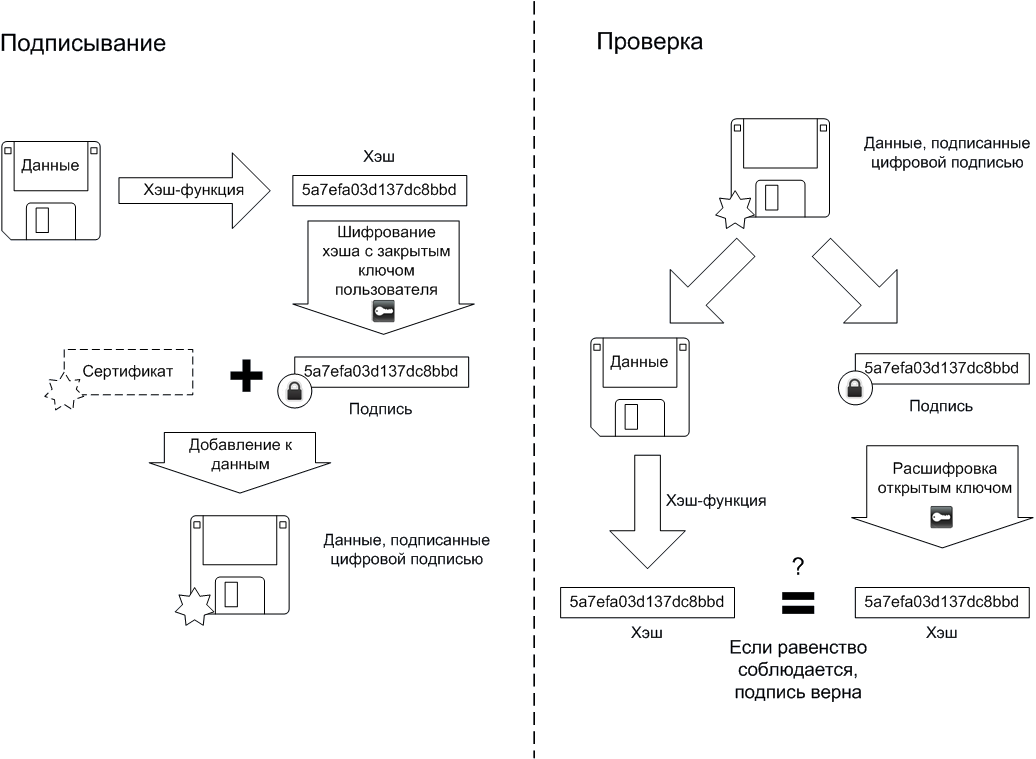
To truly elevate your compliance architecture, move beyond simple storage toward Immutable Audit Trails. Utilize blockchain-based hashing or digital signatures for every generated explanation report. By creating a cryptographic hash of the report at the moment of creation, you provide auditors with mathematical certainty that the document hasn’t been modified since it was generated.
“Compliance is not a destination; it is an ongoing state of readiness. If your explanation reports cannot be verified with the same integrity as a financial transaction, you are operating with an unacknowledged liability.”
Additionally, consider implementing federated metadata tagging. By tagging explanation reports with organizational IDs, jurisdiction codes, and regulatory frameworks, you can automate compliance reporting. Instead of manually searching through folders, your compliance dashboard can query the archive: “Show me all credit decision explanations for California users between 2021 and 2022 that utilized the GPT-4 model.”
Conclusion
The regulatory landscape is only becoming more rigorous. As algorithms play a greater role in critical decision-making, the demand for transparency will follow suit. Archiving historical explanation reports is not merely a box to check for an audit; it is a foundational practice of professional data governance.
By shifting from reactive data hoarding to a strategic archival framework, you protect your organization from legal risks, reduce the cost of compliance, and build a transparent relationship with your regulators. Start by auditing your current decision pipelines, standardizing your report outputs, and ensuring your archives are as immutable as the decisions they describe.
Further Reading




Leave a Reply