The Fallacy of Rented Authority
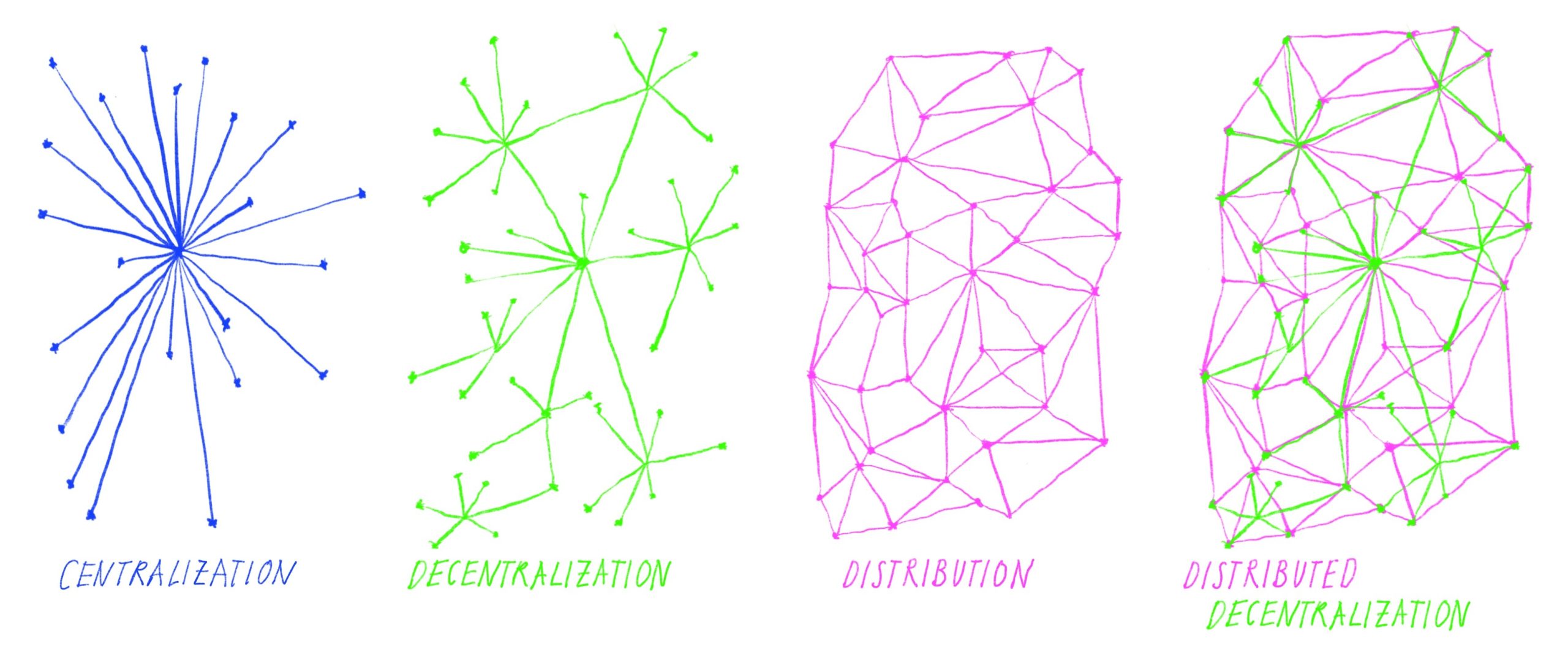
Most high-performers are building their professional reputations on borrowed land. You invest years cultivating a following on LinkedIn, Twitter, or industry-specific forums, only to remain subject to the whims of platform algorithms, policy changes, and sudden shifts in visibility. This is not a strategy; it is a dependency.
A personal website is the only asset that provides true digital sovereignty. It is the central nervous system of your professional identity, where you control the narrative, the data, and the delivery. For leaders and operators, it serves as the ultimate strategic thinking repository—a place to articulate your operating philosophy, document your wins, and synthesize your expertise.
Beyond the Digital Resume
If you view your personal website as an online CV, you have already failed. A static list of past roles is a commodity. In a competitive market, your website should function as a high-fidelity signal of your competence. It is where you move from being a candidate to an authority.
Effective personal sites for high-performers typically integrate three core components:
- The Operating Manual: A concise breakdown of how you make decisions, how you prefer to communicate, and your core management principles. This accelerates trust with new stakeholders.
- The Evidence Base: Instead of listing skills, showcase artifacts. Case studies, white papers, or structured reflections on complex projects demonstrate your operational excellence more effectively than any bulleted list.
- The Feedback Loop: A direct channel for high-value connections to reach you. By controlling the intake, you curate your network quality rather than leaving it to the noise of social media DMs.
Operating at the Edge of Leverage
High-performance is often a game of information asymmetry. When you publish your thoughts, you create a public version of your internal mental models. This acts as a force multiplier. If a prospective partner or investor can read your thoughts on a specific market shift before your first meeting, you have effectively front-loaded the relationship-building phase.
This is where decision-making becomes a public performance. By documenting your rationale behind past choices, you signal transparency and intellectual rigor. When people understand how you think, they are significantly more likely to trust you with complex, high-stakes mandates.
The Architecture of an Asset
Do not succumb to the urge for over-design. A personal website for a leader should prioritize speed, clarity, and utility. Use a clean, text-heavy layout that respects the reader’s time. Your goal is not to impress with aesthetics, but to provide a clear path to understanding your professional value proposition.
Treat the site as a living document. Update your ‘Operating Manual’ as your management style evolves. Use your site to host long-form content that is too dense for social platforms. When you control the medium, you stop chasing engagement metrics and start building a library of intellectual capital. This shift is essential for those who want to move beyond the day-to-day grind and focus on long-term execution.
The Strategic Pivot
The transition from a ‘social media user’ to a ‘digital owner’ requires a change in mindset. You must stop optimizing for likes and start optimizing for utility. Ask yourself: If I were to disappear from social media tomorrow, would my professional network still know where to find my latest insights? If the answer is no, you are currently at risk of platform-induced irrelevance.
Build the asset. Own the channel. Control the narrative. In an era where information is abundant but clarity is scarce, a well-curated personal website is the ultimate signal of a leader who understands the value of sovereign infrastructure.