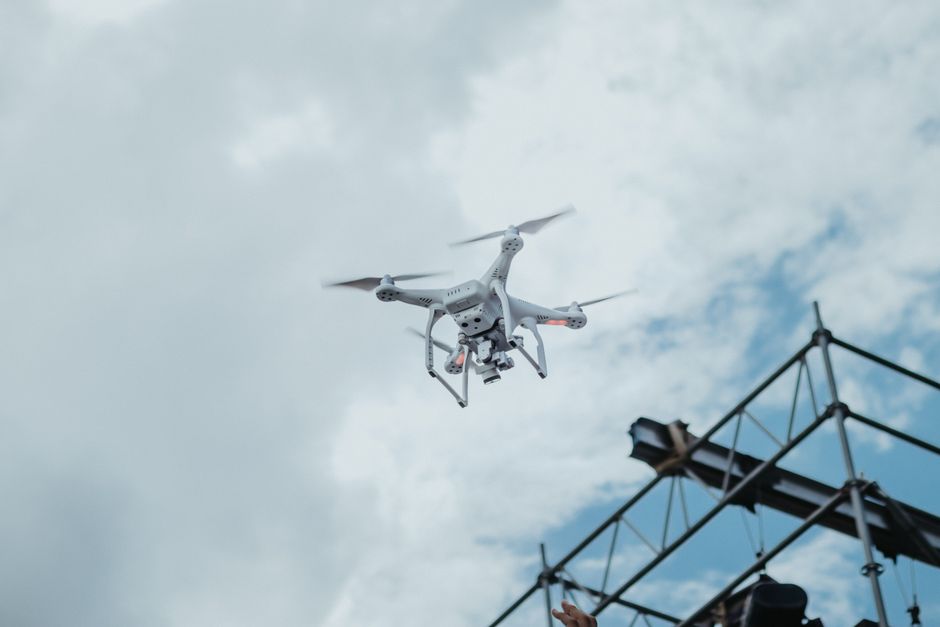
The construction industry has long been defined by its resistance to automation. For decades, productivity metrics in the sector have remained stubbornly flat, hampered by the inherent unpredictability of physical labor and site conditions. However, the emergence of autonomous construction drones is forcing a shift from manual oversight to algorithmic management. This is not merely a technological upgrade; it is a fundamental transformation of how leadership approaches site control and operational risk.
When a site is monitored by autonomous aerial systems, the traditional feedback loop—where information travels from the ground to a project manager’s desk—is eliminated. Instead, real-time telemetry provides a singular source of truth. This shift demands a new breed of executive who prioritizes data-driven decision-making over gut instinct.
Closing the Gap Between Plan and Reality
Construction failures rarely stem from poor architectural design; they stem from execution drift. The delta between the digital twin and the physical build grows larger every day that an error goes undetected. Autonomous drones serve as the primary mechanism to close this gap.
Automated Progress Tracking
By deploying drones on recurring, automated flight paths, project teams create a chronological record of the build. These systems utilize photogrammetry and LiDAR to compare the current state against the BIM (Building Information Modeling) file. When an autonomous drone detects a deviation—a wall placed three inches off-center or a structural component missing—it triggers an immediate alert. This is operational excellence in practice: correcting errors while they are still inexpensive to fix, rather than discovering them during a final inspection.
Safety as an Algorithmic Output
Safety is often managed through bureaucratic checklists that offer a false sense of security. Autonomous drones change the incentive structure by providing persistent surveillance of hazardous zones. They identify unauthorized personnel in restricted areas or detect structural instability before it becomes a liability. By delegating the ‘eyes on the ground’ to AI-powered hardware, leadership can focus their energy on high-level strategy rather than constant reactive safety audits.
The Strategic Shift to High-Performance Thinking
The integration of autonomous systems requires a change in mindset. Leaders who view drones as mere cameras will fail to realize the ROI. The true value lies in the data pipeline. When you remove the human element from the data collection process, you remove the bias, the fatigue, and the inconsistency inherent in manual reporting.
This creates a requirement for high-performance thinking. Managers must now be capable of synthesizing massive datasets to forecast supply chain needs or labor allocation. If the drone reports that concrete pouring will be delayed by 48 hours due to a foundation discrepancy, the manager must immediately recalibrate the entire project schedule. The drone provides the data, but the execution rests on the manager’s ability to act on that information instantly.
Operational Hurdles and Risk Mitigation
Implementing autonomous drone fleets is not without friction. Regulatory environments, site-specific connectivity issues, and the integration of drone data into existing ERP systems create significant barriers to entry. However, these hurdles are temporary.
Data Silos: Ensure drone data integrates directly with your project management software to prevent information from getting trapped in proprietary drone dashboards.
Regulatory Compliance: Develop a robust internal framework for BVLOS (Beyond Visual Line of Sight) operations to maximize the utility of your fleet.
Skill Upgrading: Invest in training your existing workforce to interpret the insights provided by AI, rather than replacing them with technicians who lack site context.
The companies that dominate the next decade of infrastructure development will be those that view their job sites as software-controlled environments. Autonomous drones are the hardware interface for that reality. The choice for leadership is clear: continue to manage by exception and manual observation, or adopt the autonomous systems that make precision an inevitable outcome of the construction process.