The Architecture of Efficiency: Why Solid-State Lighting is a Strategic Imperative
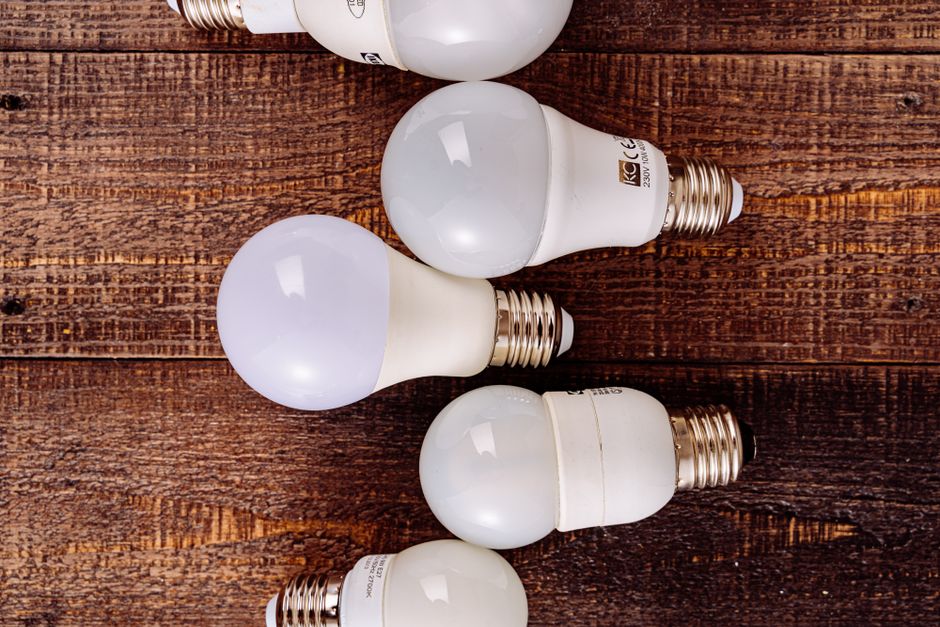
Most organizations treat lighting as a line-item utility—a fixed cost to be managed rather than a strategic asset to be optimized. This is a failure of operational imagination. Solid-state lighting (SSL), primarily driven by Light Emitting Diode (LED) technology, represents a transition from mechanical, fragile, and inefficient illumination to a digital, software-defined infrastructure. For the high-performance leader, the shift to SSL is not merely about lowering electricity bills; it is about reclaiming control over the physical environment to drive productivity and operational excellence.
When you transition your facility to solid-state systems, you are moving away from legacy hardware that requires constant maintenance and toward a platform that integrates seamlessly into the smart building strategy. This is the difference between simple illumination and a data-rich environment.
The Physics of High-Performance Environments
Traditional lighting—incandescent, fluorescent, or high-intensity discharge—operates by heating a filament or exciting gas within a glass vessel. These methods are inherently inefficient, losing the vast majority of energy as heat. SSL operates through electroluminescence, a process that converts electrical energy directly into light. This leap in physics changes the math of your facility operations.
The operational implications are profound:
Reduced Thermal Load: Because SSL produces significantly less heat, the HVAC systems required to cool a facility can be downsized. This reduces the mechanical stress on your infrastructure and lowers total energy consumption.
Predictable Lifecycle: Legacy lighting fails catastrophically and unpredictably. SSL degrades incrementally. This allows for scheduled, proactive maintenance rather than reactive fire-fighting, a core tenet of operational excellence.
Instantaneous Control: Unlike gas-discharge lamps that require warm-up periods, solid-state systems are digital. They can be dimmed, tuned for color temperature, or switched off instantly based on occupancy sensors or daylight harvesting algorithms.
Integrating Lighting into the Decision-Making Matrix
The true power of solid-state lighting lies in its role as a network node. Modern SSL fixtures are rarely just light sources; they are intelligent sensors. In a high-performance organization, these fixtures act as the eyes of your facility management system.
By capturing granular data on human movement, space utilization, and environmental conditions, you gain the clarity required to make high-stakes, data-driven decisions. If your conference rooms are occupied 20% of the time but lit 100% of the day, you have a resource allocation problem. The data provided by your lighting infrastructure reveals these inefficiencies, allowing you to reconfigure floor plans, adjust lease strategies, or optimize energy consumption with surgical precision. This is how you apply high-performance thinking to the physical footprint of your business.
Capital Allocation and Long-Term Leverage
The primary barrier to SSL adoption is often the initial capital expenditure. However, viewing this through the lens of a simple payback period is a tactical error. You must evaluate the investment through the framework of total cost of ownership and productivity gains. The ROI of SSL is found in the combination of reduced labor costs for maintenance, lower utility premiums, and the potential for improved employee cognitive performance through circadian-rhythm-aligned lighting.
When you align your physical infrastructure with your strategic goals, you eliminate friction. Every watt saved and every maintenance hour reclaimed is capital—or time—that can be redeployed toward your core mission. Leaders who ignore the technical sophistication of their physical environment are essentially choosing to operate with a handicap.
Operational Execution: Moving Beyond the Upgrade
Upgrading to SSL is a project; managing a connected lighting ecosystem is a process. To extract maximum value, your implementation must be treated with the same rigor as any other digital transformation. This means setting clear KPIs for energy reduction, establishing maintenance cycles that anticipate degradation, and integrating the lighting data stream into your broader operational dashboards.
Do not settle for a “lights on” approach. Demand a system that provides the visibility required to govern your environment effectively. In an era where every operational variable is being measured and optimized, your lighting infrastructure should be no exception.