Most organizations treat environmental maintenance as a cost of doing business—a recurring, low-value chore relegated to the fringes of the operational budget. This mindset is a failure of strategy. When your physical environment degrades, your team’s cognitive bandwidth follows. Clutter, poor air quality, and inconsistent facility standards are not just maintenance issues; they are friction points that erode execution speed and stifle high-performance environments.
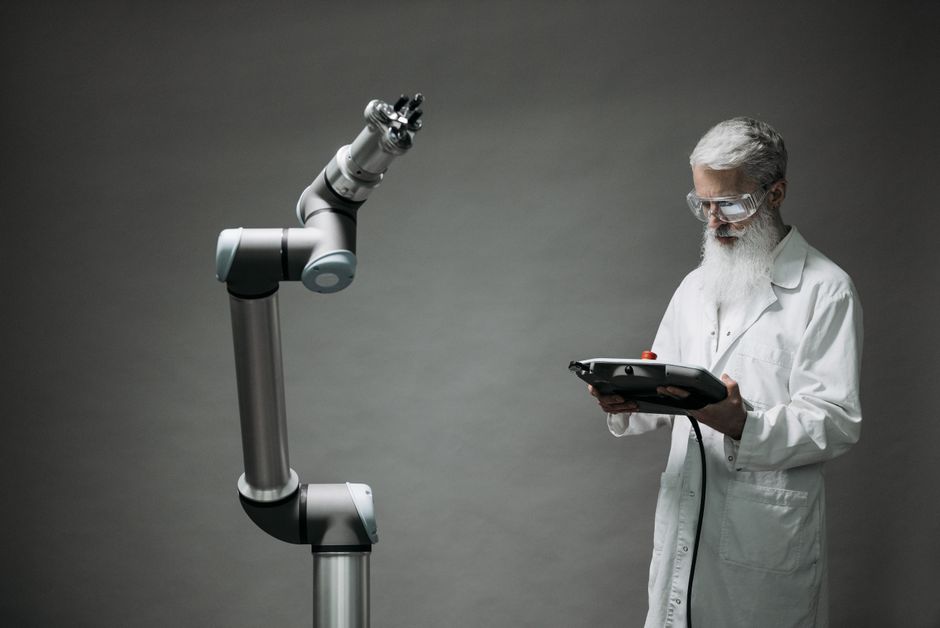
Robotic environmental maintenance represents a shift from reactive upkeep to autonomous precision. By automating the cleaning, sanitization, and monitoring of physical workspaces, leaders can reclaim the hours previously lost to low-level oversight and redirect that energy toward high-stakes decision-making.
The Operational Case for Autonomy
The traditional model of facility maintenance relies on human labor, which is inherently variable, subject to fatigue, and difficult to scale. Robotic systems—ranging from autonomous floor scrubbers to air quality monitoring drones—provide a level of consistency that human oversight cannot replicate. This is not about replacing people; it is about upgrading the infrastructure of your leadership environment.
When you integrate robotics, you establish a baseline of operational excellence. An autonomous system does not forget to clean a corner; it does not skip a floor because of staffing shortages. This removes the “maintenance tax” from your management team. Instead of auditing cleaning schedules, you audit data logs. This pivot from managing people to managing systems is the hallmark of a modern, scalable organization.
Precision Through Sensor Fusion
Modern maintenance robots are not just automated sweepers; they are data collection nodes. By utilizing LiDAR, ultrasonic sensors, and chemical sniffers, these units map the environmental health of your workspace in real time. This allows for predictive maintenance—fixing a ventilation issue or addressing a spill before it disrupts the workflow.
For a leader, this data-driven approach is invaluable. You stop making decisions based on anecdotal evidence or visible grime. You start making decisions based on environmental KPIs. This is the essence of high-performance thinking: transforming a mundane facility task into a stream of actionable intelligence.
Strategic Implementation and ROI
The barrier to adopting robotic maintenance is rarely the hardware cost; it is the friction of integration. Leaders often fail to account for the “human-robot interface”—the way your team interacts with the technology. If your employees view these robots as nuisances rather than force multipliers, you have failed the implementation phase.
To succeed, treat robotics as a component of your broader organizational architecture. Define clear metrics for success:
Consistency Metrics: Is the facility state within 99% of the defined standard at all times?
Resource Reallocation: Have the labor hours saved been redirected to core business value-add activities?
Environmental Stability: Has the sensor data led to quantifiable improvements in air quality or surface sanitization?
If you cannot measure the output of your maintenance investment, you are not leading; you are spending. By applying the same rigor to your physical workspace that you apply to your P&L, you build an environment that supports, rather than hinders, your strategic objectives.
The AI-Driven Future of Facility Management
As AI models integrate with these robotic systems, the scope of maintenance will expand. We are moving toward “self-healing” environments. Imagine a system that detects a drop in productivity in a specific zone, correlates it with a rise in CO2 levels or a decrease in lighting quality, and automatically adjusts the HVAC or lighting parameters to restore the optimal state.
This is the ultimate expression of environmental control. It removes the human error from the maintenance loop entirely. Leaders who adopt these technologies early will find themselves with a competitive advantage: a workspace that is constantly optimizing itself, allowing the human talent within it to focus entirely on the work that matters.