The Strategic Imperative of Grid-Scale Energy Storage
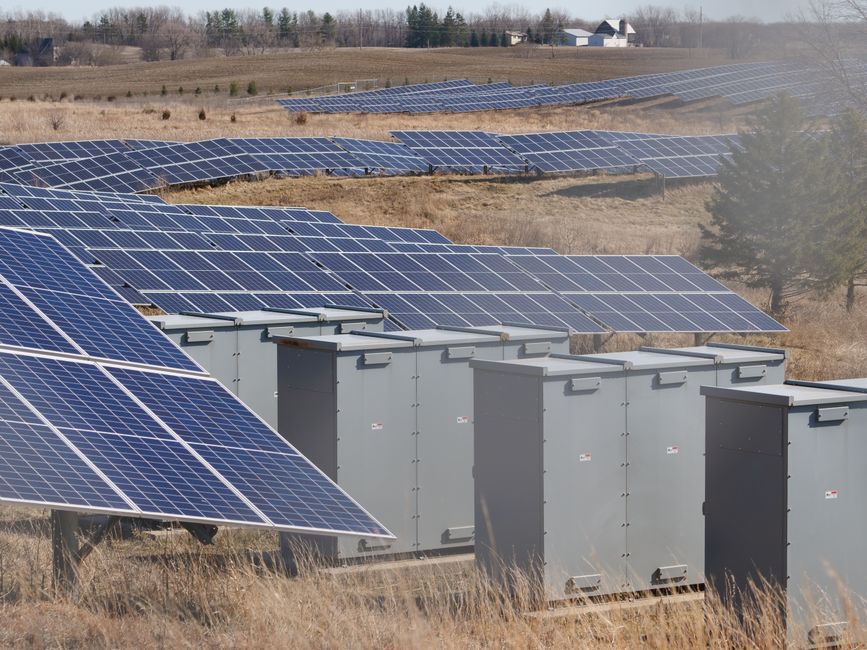
The global energy transition is no longer a matter of policy preference; it is a brutal test of infrastructure scalability. As power grids shift from centralized, predictable thermal generation to decentralized, intermittent renewables, the primary bottleneck to operational excellence is not generation—it is time-shifting. Grid-scale battery storage serves as the ultimate buffer against volatility, transforming the inherent instability of wind and solar into a reliable, enterprise-grade asset.
For leaders overseeing capital-intensive industries, understanding energy infrastructure is now a core competency. Relying on an aging, rigid grid is a strategic liability. Organizations that master the integration of battery-backed power systems are not merely optimizing for ESG metrics; they are securing their energy sovereignty against the inevitable fluctuations of a decarbonizing marketplace.
Beyond Capacity: The Physics of High-Performance Energy
Most observers view battery storage as a simple reservoir—a tank that fills when the sun shines and empties when it sets. This is a junior-level perspective. At the grid level, storage systems are sophisticated power electronics that provide instantaneous frequency regulation and voltage support. They are the shock absorbers of the modern electrical system.
From an operational excellence standpoint, the shift toward lithium-ion and flow battery installations represents a move from passive consumption to active management. Leaders must recognize that storage is not just about keeping the lights on; it is about managing the decision-making loop between supply-side intermittency and demand-side requirements. When storage is deployed at scale, it unlocks the ability to participate in high-value ancillary services markets, turning a cost center into a potential revenue-generating asset.
The Economics of Execution
The deployment of grid-scale batteries is fundamentally an exercise in strategy and risk mitigation. The levelized cost of storage (LCOS) has plummeted, but the complexity of integration has risen. Successful execution requires a rigorous assessment of cycle life, round-trip efficiency, and degradation curves.
Decision-makers must move past the hype cycle and focus on the hard metrics of system performance. An investment in a 100MW/400MWh facility is not merely a procurement task; it is a complex infrastructure project that demands:
Long-term capacity planning: Aligning storage duration with specific regional grid requirements.
Algorithmic dispatch: Utilizing AI-driven models to optimize charging and discharging cycles based on real-time market pricing and grid stress signals.
Supply chain resilience: Securing access to critical minerals and battery components in an increasingly protectionist global trade environment.
The Leadership Lens: Thinking in Systems
High-performance thinking dictates that we look at grid-scale storage as a hedge against systemic risk. Just as a diversified portfolio protects a company from market downturns, grid-scale storage protects an operation from price spikes and supply disruptions. The leaders who succeed in the next decade will be those who treat energy as a strategic variable rather than a fixed overhead.
Integrating battery storage into your execution framework requires a shift in mindset. It demands that you treat the physical energy footprint of your organization with the same analytical rigor as your digital infrastructure. When you view the grid as a programmable asset, you cease to be a price-taker and begin to act as a sophisticated participant in the energy ecosystem.
The transition to a storage-heavy grid will be messy, capital-intensive, and fraught with regulatory hurdles. However, the competitive advantage accrues to those who build the infrastructure today, not those who wait for the perfect market conditions tomorrow.