Most digital interfaces are sensory deserts. We interact with high-definition screens and complex software, yet we rely almost exclusively on visual confirmation to verify our actions. This reliance on the eyes creates a bottleneck in human-computer interaction, forcing cognitive cycles into a single sensory channel. Haptic feedback interfaces—the technology of tactile communication—are changing that, shifting the paradigm from passive observation to physical engagement.
The Cognitive Economics of Touch
The human brain prioritizes tactile information for speed and accuracy. When you type on a mechanical keyboard versus a flat glass screen, you are experiencing the difference between haptic confirmation and sensory ambiguity. In high-stakes environments—such as aviation cockpits, surgical robotics, or precision industrial control—the lack of tactile feedback is a liability. It forces an operational excellence deficit where the operator must constantly scan the interface to ensure a command was registered.
Haptic feedback restores the “muscle memory” loop. By providing physical resistance, vibration, or texture, these interfaces allow users to offload verification tasks from the visual cortex to the somatosensory system. This is not just about convenience; it is about bandwidth. When you process information through touch, you preserve visual capacity for complex decision-making and situational awareness.
Strategic Implications for User Experience
For organizations building digital products, haptics represent a shift in how users perceive quality and reliability. We often mistake “sleek” for “effective.” However, true performance requires a feedback loop that matches the intent of the user. Without haptic cues, the user is left in a state of uncertainty, leading to increased error rates and decreased trust in the system.
Integrating tactile interfaces requires a shift in strategy. You must treat haptic design as a core component of the user experience, not an afterthought. Consider the difference between a “soft” software button and a physical switch. The switch provides an immediate, binary confirmation. Modern haptic arrays, using piezoelectric actuators or voice coil motors, can mimic this precision. Leaders who prioritize this integration find that their teams achieve higher throughput because the “friction” of interaction is reduced.
Operational Precision and AI Integration
The convergence of AI and haptic interfaces is where the most significant gains in productivity lie. As AI systems become more autonomous, the role of the human operator shifts toward supervision. In an AI-driven control room, the system should not just present data; it should signal critical changes through haptic alerts.
Imagine a dashboard that provides nuanced tactile warnings for anomalies, allowing a manager to sense a system imbalance without looking away from a primary task. This creates a high-performance environment where human oversight is augmented, not hindered, by digital tools. It allows for a more fluid interaction between the human and the machine, ensuring that the human remains the primary architect of the final output.
Implementing Tactile Feedback
To move beyond standard vibration motors, organizations must look at three tiers of haptic implementation:
Confirmation Haptics: Simple, low-latency pulses to verify input. This is the baseline for any professional-grade interface.
Informational Haptics: Using varied patterns, frequencies, and intensities to communicate the status of a process, such as a loading state or a critical error.
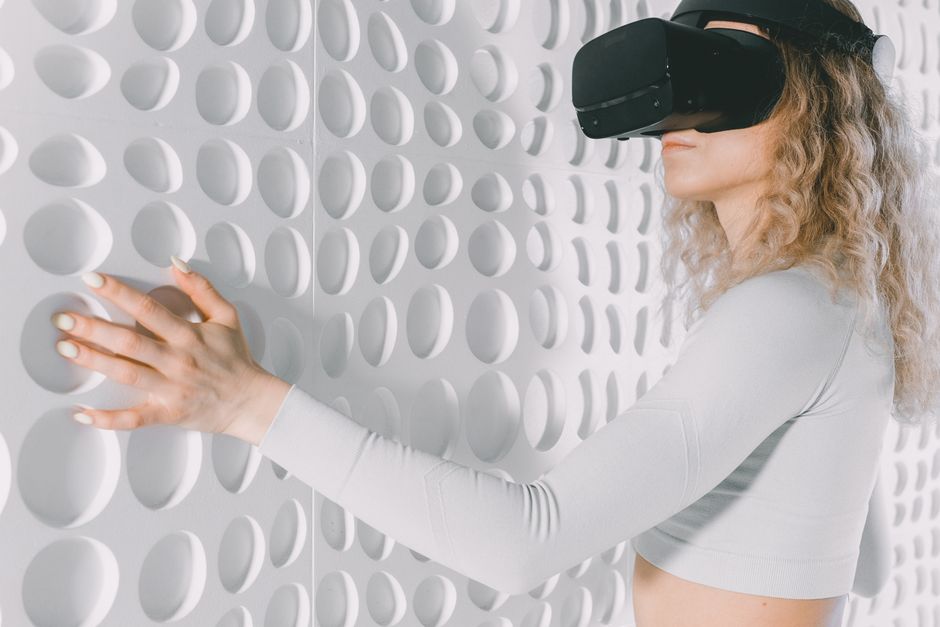
Immersive Haptics: Advanced texture simulation that allows users to “feel” the data or the virtual environment, essential for remote surgery or complex remote operations.
The transition to haptic-rich environments requires a disciplined approach to execution. Start by identifying the most common points of cognitive load in your current workflow. Where are users forced to double-check their screens? Where does the lack of physical feedback result in hesitation? These are the areas where haptic integration provides the highest return on investment.
The Future of High-Performance Interaction
We are entering an era where the divide between the digital and the physical is thinning. Haptic feedback is the bridge. As we continue to refine how we interact with complex systems, the ability to “feel” our digital environment will become a hallmark of superior design. Leaders who recognize this shift will move their teams away from screen-bound interactions and toward a more tactile, intuitive, and ultimately faster way of working.