The Energy Density Revolution: Scaling Power Beyond the Grid
The traditional solar panel is a relic of 20th-century industrial thinking: rigid, heavy, and tethered to centralized infrastructure. For decades, the industry prioritized maximizing efficiency percentages while ignoring the massive friction costs associated with installation, structural reinforcement, and logistics. Flexible solar films, particularly those pushing toward 22% efficiency, represent a fundamental shift in strategy. By decoupling power generation from permanent, heavy hardware, these materials transform power from a fixed asset into a modular, deployable resource.
When efficiency reaches the 22% threshold, the conversation shifts from novelty to operational viability. We are no longer talking about powering a pocket calculator; we are talking about powering logistics fleets, remote sensors, and temporary high-performance command centers. For leaders, this represents a new degree of freedom in decision-making: the ability to generate power exactly where the work happens, rather than where the power grid dictates.
Operational Excellence and the Removal of Structural Friction
The primary barrier to solar adoption has never been the sunlight—it has been the weight and fragility of silicon glass. Standard modules require massive racking systems, specialized labor, and structural analysis of the underlying surface. These are hidden costs that erode ROI. Flexible solar films eliminate these requirements.
By applying high-efficiency, lightweight membranes directly to existing surfaces—be it the roof of a shipping container, a warehouse membrane, or a mobile shelter—organizations can bypass the capital-intensive phase of solar deployment. This is the essence of operational excellence: reducing the number of steps required to achieve a desired output. When you remove the need for heavy installation, you increase the speed of execution. In competitive environments, the ability to deploy power assets in hours rather than weeks is a distinct advantage.
The Economics of Lightweight Power
A 22% efficiency rating is the “break-even” point for large-scale industrial adoption. At this level, the cost per watt of the film begins to rival traditional panels when you factor in the “total cost of ownership” (TCO) rather than just the price of the material. The TCO includes:
Logistics: Lower weight means reduced shipping costs and less fuel consumed during transport.
Labor: Installation can often be performed by general staff rather than specialized contractors.
Structural Integrity: No need to reinforce roofs or structures to hold the weight of glass and aluminum.
Flexibility: The material conforms to non-planar surfaces, maximizing the available surface area for energy capture.
High-Performance Thinking in Material Science
The transition to thin-film technologies is a classic example of high-performance thinking. It requires looking at the constraints of a system—in this case, the weight and rigidity of solar panels—and choosing to innovate around the constraint rather than forcing the system to adapt to the limitation.
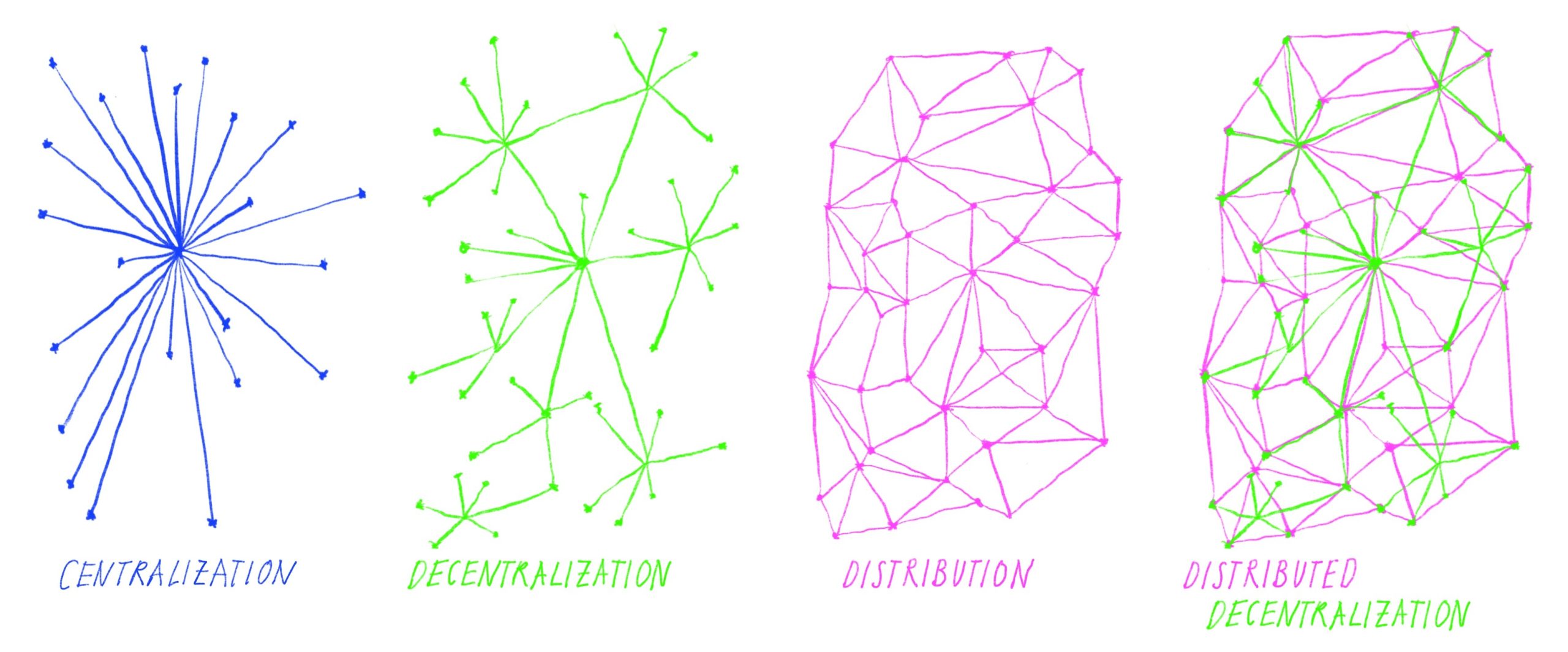
This approach mirrors how top-tier organizations manage execution. They identify the bottlenecks that constrain scalability and apply targeted solutions. If your power infrastructure is a bottleneck to your growth, you don’t build more grid capacity; you build portable, lightweight energy generation that follows the demand. This is decentralized power as a strategic imperative.
The Convergence of AI and Energy Management
As we integrate flexible solar films into the field, the next frontier is the marriage of this hardware with AI-driven energy management systems. A flexible film is a passive collector, but when paired with predictive load balancing, it becomes an intelligent power plant. AI models can analyze weather patterns, historical usage, and current battery health to optimize how the energy gathered by these films is distributed across a fleet or facility.
This integration allows for unprecedented control. Decisions about energy consumption are no longer reactive. They are automated, data-driven, and optimized for the specific context of the operation. This isn’t just about saving electricity; it’s about building resilient systems that can withstand supply chain disruptions or sudden shifts in operational requirements.
Strategic Implications for the Future
The move toward 22% efficient flexible solar films is not merely a technological trend; it is a shift in how organizations conceptualize energy. Power is becoming ubiquitous, lightweight, and invisible. Leaders who recognize that they can now generate energy on any surface are already finding ways to reduce their reliance on traditional, brittle infrastructure.
The advantage goes to those who treat energy as a flexible component of their operation. By integrating high-efficiency thin-film solar into your strategic planning today, you are not just adopting a new material—you are building a foundation for a more agile, resilient, and autonomous organization.