The Biological Pivot: Why Plastic Degradation is an Operational Imperative
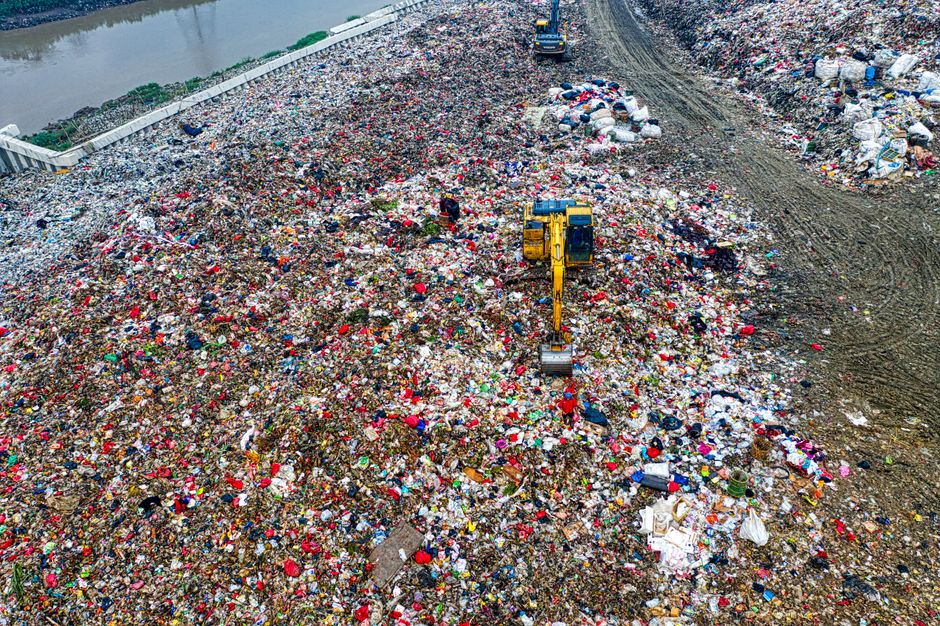
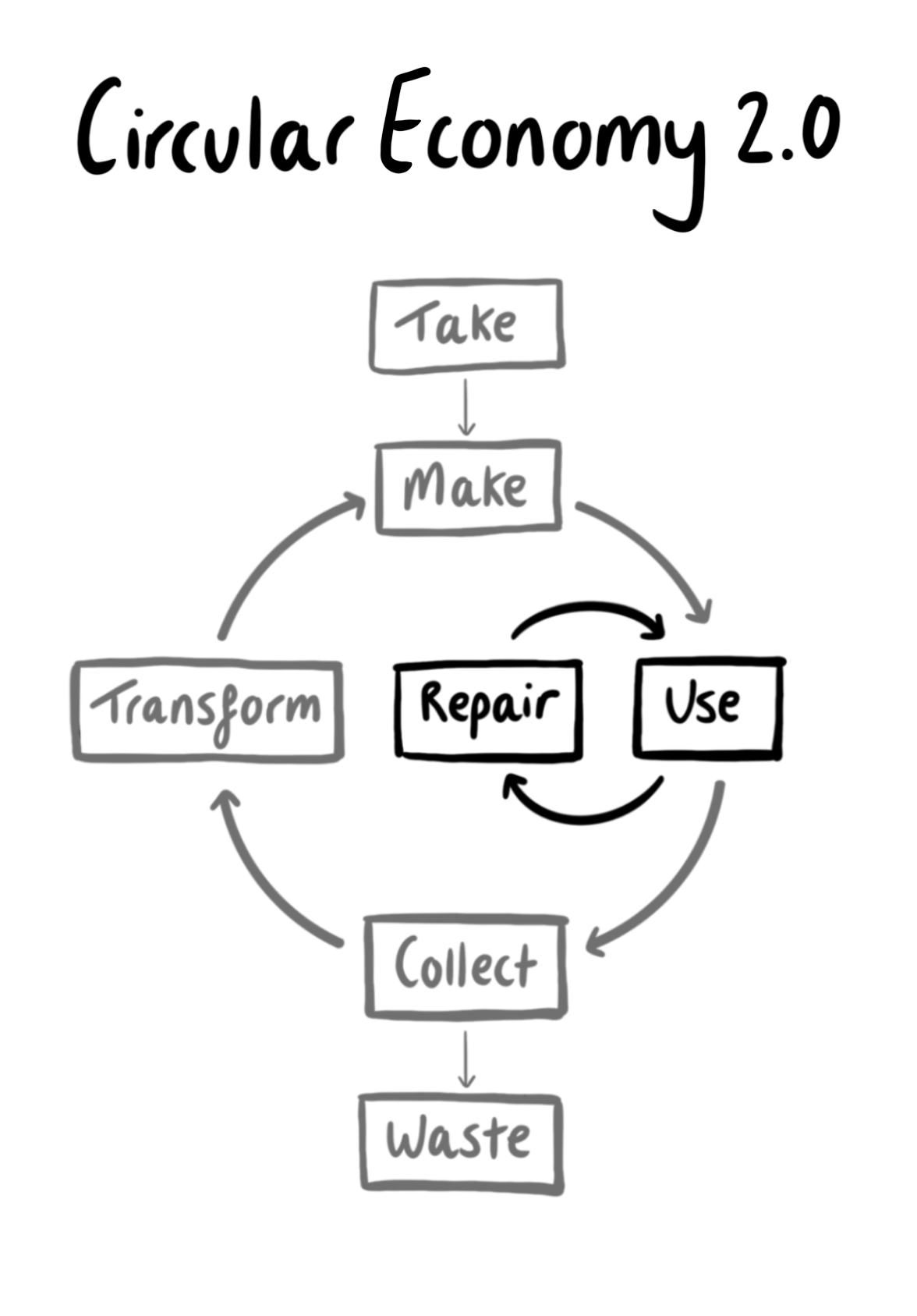
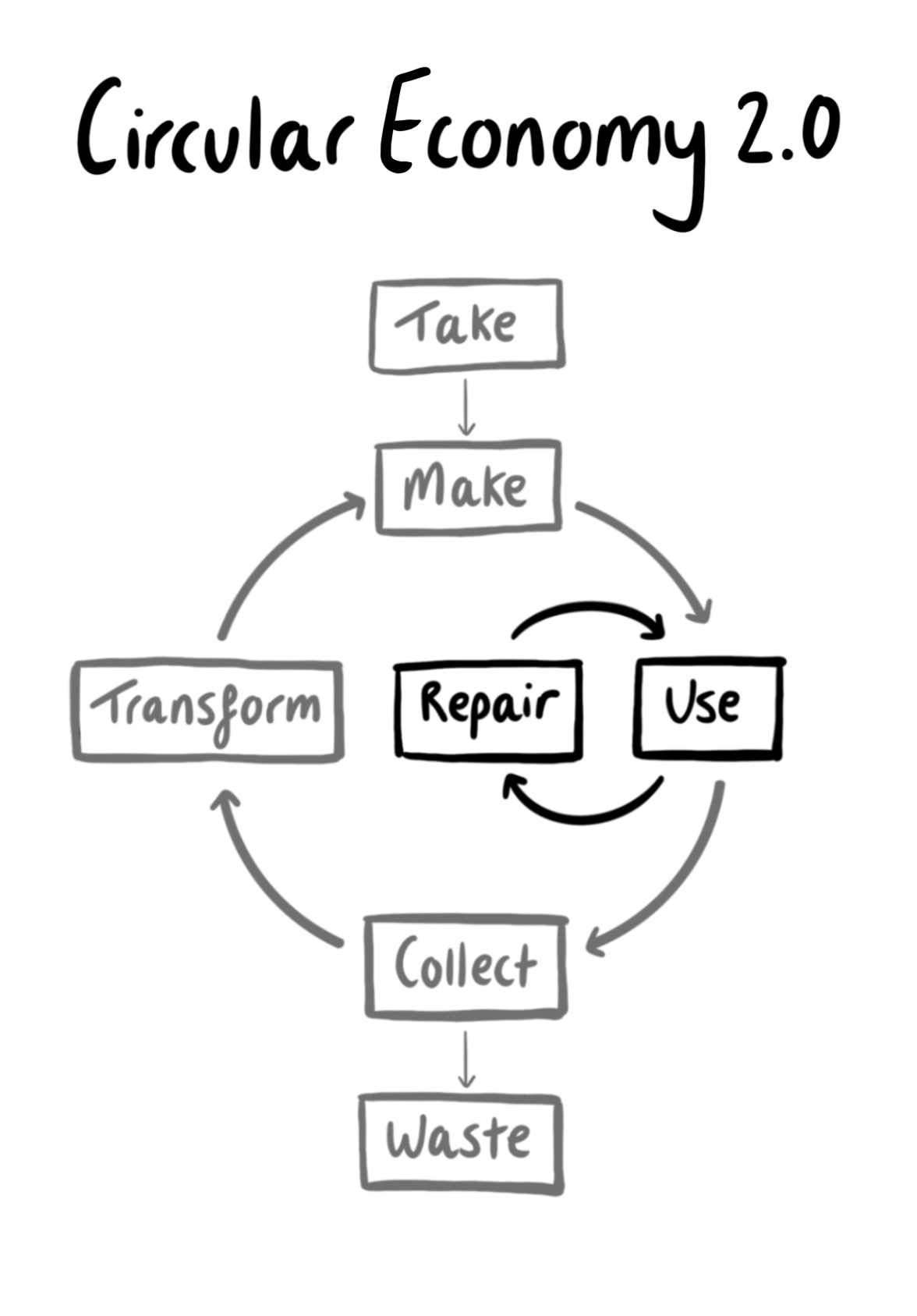
The global plastic crisis is no longer just an environmental talking point; it is a massive, systemic failure in resource management. For decades, the industry has relied on mechanical recycling, a process that degrades polymer quality with every cycle. This is a losing strategy. We are witnessing the emergence of a biological solution—bacterial plastic degradation—that promises to move us from linear consumption to circular industrial strategy.
The discovery of Ideonella sakaiensis, a bacterium capable of consuming polyethylene terephthalate (PET), shifted the conversation from waste management to metabolic engineering. For leaders and operators, this isn’t merely a scientific curiosity. It is the beginning of a fundamental shift in how we approach material life cycles, supply chain resilience, and the economic value of waste.
Beyond Mechanical Recycling: The Logic of Enzymatic Breakdown
Mechanical recycling is inherently flawed because it treats plastic as a commodity to be reshaped, not a chemical structure to be broken down. Each time plastic is shredded and remelted, the polymer chains shorten, resulting in a lower-grade product. This is a classic case of diminishing returns.
Bacterial degradation—specifically the utilization of enzymes like PETase and MHETase—operates on a molecular level. By deconstructing polymers into their original monomers, these biological agents allow for infinite recycling without quality loss. This is the definition of high-performance operational excellence. It transforms a waste stream into a raw material stream, effectively decoupling production from virgin fossil fuel extraction.
The Economics of Scale
The transition from lab-bench discovery to industrial-scale implementation is where the true test of leadership resides. Current systems are optimized for collection and landfilling, not for bioreactor-based enzymatic processing. To capitalize on this, organizations must rethink their capital allocation. Investing in synthetic biology isn’t just an ESG play; it is a hedge against the rising costs of raw materials and the inevitable tightening of global environmental regulations.
Leaders must evaluate their operations through the lens of decision-making frameworks that account for long-term material sustainability. If your supply chain relies on single-use plastics, your model is structurally vulnerable. The companies that integrate bio-degradation technologies into their downstream processes today will be the ones that own the secondary material markets of tomorrow.
Operationalizing Biological Innovation
How does a leader prepare for a landscape where bacteria do the heavy lifting of waste management? It starts with a shift in mindset regarding how you view “trash.”
Analyze Material Dependencies: Map your product portfolio to identify high-volume polymers that are candidates for enzymatic recycling.
Rethink Partner Ecosystems: Move beyond traditional waste management firms. Begin engaging with biotech firms specializing in protein engineering and enzymatic catalysis.
Prioritize Modular Design: Products designed for disassembly are easier to feed into biological recycling systems. This is a design-level execution requirement.
The efficiency of these biological processes depends on the specificity of the enzymes used. Just as you would optimize a software stack for performance, these biological systems must be optimized for the specific chemical composition of your waste. This requires a level of collaboration between industrial engineers and synthetic biologists that is rarely seen in traditional manufacturing.
The Risk of Stagnation
Complacency is the enemy of progress. Many firms remain wedded to the “reduce, reuse, recycle” mantra, which—while well-intentioned—is insufficient to solve the magnitude of the plastic problem. True leadership requires the courage to pivot toward unproven but technologically superior alternatives. Bacterial degradation is not yet a plug-and-play solution, but the early data points toward a future where biological agents are standard components of industrial infrastructure.
The organizations that wait for these technologies to become “commodity-ready” will have already lost the competitive advantage. By the time the infrastructure is universal, the intellectual property and the proprietary enzymatic strains will be locked behind the walls of early adopters.
Yoshida, S., et al. (2016). “A bacterium that degrades and assimilates poly(ethylene terephthalate).” Science.
Austin, H. P., et al. (2018). “Characterization and engineering of a plastic-degrading aromatic polyesterase.” Proceedings of the National Academy of Sciences.