Digital Minimalism: Why a TV-Free Retreat Resets Your Mind
— by
Steven Haynes
Contents
1. Introduction: The modern struggle with “digital burnout” and the sensory overload of constant connectivity.
2. Key Concepts: Defining “Digital Minimalism” and the psychological impact of the “Always-On” culture.
3. Step-by-Step Guide: How to transition from a plugged-in environment to a screen-free sanctuary.
4. Examples/Case Studies: A look at the sensory shift that occurs when the “blue light hum” is removed.
5. Common Mistakes: Why people struggle with the “withdrawal” phase and how to avoid falling back into phone addiction.
6. Advanced Tips: Mindful observation and the practice of “boredom” as a creative catalyst.
7. Conclusion: Reclaiming time and mental clarity through intentional disconnection.
***
The Art of Disconnection: Why a Television-Free Cottage Is Your Best Mental Reset
Introduction
We live in an era of relentless stimulation. From the moment we wake up, our brains are bombarded by notifications, news cycles, and the algorithmic pull of social media. Even when we attempt to “get away,” we often carry our digital tethers with us. The true luxury of the modern age is no longer found in high-speed internet or state-of-the-art entertainment systems; it is found in the absence of them.
Arriving at a cottage that lacks a television is more than a logistical detail—it is a physiological intervention. The moment you cross the threshold into a silent, screen-free space, you may experience a flicker of anxiety, followed quickly by a profound, visceral sense of relief. This article explores why disconnecting from the “blue light” environment is essential for mental recovery and how you can leverage that silence to reclaim your focus.
Key Concepts
The core concept behind the relief felt in a television-free space is Attention Restoration Theory (ART). This psychological framework suggests that urban environments and digital interfaces drain our cognitive resources through “directed attention.” When you are constantly filtering out ads, emails, and the passive consumption of television, your brain’s executive function becomes fatigued.
A cottage without a television forces a shift toward soft fascination. In nature or in a quiet, analog living space, your brain can recover. You are not forced to process fast-paced cuts, loud audio, or the emotional baggage of 24-hour news. By removing the primary source of digital noise—the television—you eliminate the “default” behavior of mindless consumption, creating a vacuum that allows your mind to settle into a state of restorative calm.
Step-by-Step Guide: Making the Most of Your Digital Detox
Arriving at a cottage without a TV is the first step, but staying present requires a conscious approach. Use this guide to ensure your retreat actually functions as a mental reset.
The “Phone Perimeter” Rule: Upon arrival, designate a specific drawer or box for your devices. Keep them out of sight and, if possible, turned off. Removing the visual cue of the phone reduces the temptation to “check in.”
Audit Your Sensory Input: Without the TV, the room will be quiet. Instead of rushing to fill that silence with music or podcasts, sit with it for thirty minutes. Allow your nervous system to regulate to the ambient sounds of the environment—the wind, the birds, or the crackle of a fire.
Establish an Analog Ritual: Replace the evening television habit with a tactile activity. This could be reading a physical book, playing a board game, or preparing a meal from scratch. By engaging your hands, you satisfy the need for activity without the passive drain of a screen.
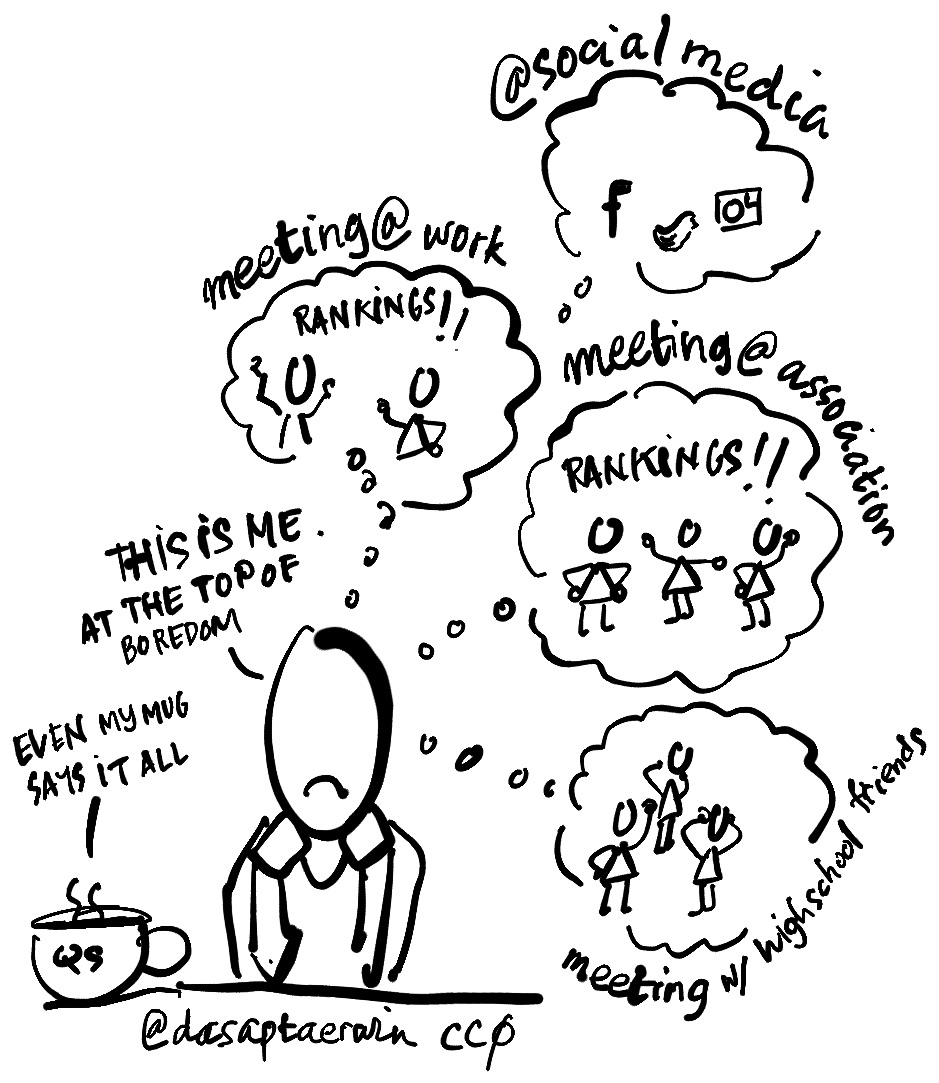
Lean into Boredom: When the urge to look at a screen arises, acknowledge it as a symptom of withdrawal. Do not fight it. Simply sit with the boredom. This is where the brain begins to reorganize and where creative sparks often occur.
Examples and Case Studies
Consider the difference between a typical “vacation” spent in a hotel with cable and a stay in a remote cabin. In the hotel, you are likely to fall into the “travel-entertainment loop”—watching local news or re-runs of shows you’ve already seen, simply because the TV is on. Your brain remains in a state of passive consumption.
Conversely, in a cabin without a screen, guests often report an immediate shift in their sleep patterns. Without the suppression of melatonin caused by blue light exposure in the evening, the body naturally aligns with the circadian rhythm. One case study involving a group of professionals on a weekend retreat found that by the second evening without a television, participants reported a 40% increase in “deep conversation” quality and a significant reduction in self-reported stress levels compared to their usual weekend routines at home.
Common Mistakes
Even when we intend to unplug, we often sabotage our own recovery. Here are the most frequent pitfalls:
Replacing the TV with a Smartphone: Many people think they are disconnecting because they aren’t watching a big screen, but they immediately pivot to scrolling social media on their phones. This is a lateral move, not a break.
Over-scheduling the Trip: Some travelers fear the silence so much that they fill every hour with activities, hikes, and outings. While these are healthy, they also prevent the “boredom” necessary for deep cognitive rest.
The “Check-In” Anxiety: Constantly worrying about what you are missing at work or on social media prevents you from entering the restorative state. If you must check, set one specific time (e.g., 15 minutes at noon) and then return to your disconnected state.
Advanced Tips
Once you are comfortable in your screen-free environment, you can deepen the experience:
The goal of disconnecting is not just to escape technology, but to rediscover your own internal monologue. Silence is the mirror in which we finally see our own thoughts clearly.
Practice Mindful Observation: Spend time watching the environment—the way light moves across the floor, or the texture of the wood grain in your cottage. This practice, known as contemplative observation, trains your brain to find engagement in the world rather than in a digital representation of it.
Journaling the “Void”: If you feel restless, write down what you are feeling. Often, the anxiety we feel when we disconnect is actually the surfacing of suppressed tasks or emotions. By putting them on paper, you offload them from your working memory, allowing you to actually relax.
Conclusion
Arriving at a cottage without a television is a profound opportunity to reset your relationship with information and stimulation. The relief you feel is the sound of your nervous system moving out of a “fight or flight” state and into a state of recovery. By intentionally removing the screen, you are not just missing out on shows; you are gaining access to a clearer, more creative, and more present version of yourself.
Next time you find yourself booking a getaway, look for the “lack of amenities.” Seek out the silence. When you return to your daily life, you will find that the ability to focus—and the ability to be truly at peace—is a skill you have strengthened, not just a luxury you consumed.



Leave a Reply