Introduction: The cost of constant connectivity and the psychological necessity of solitude.
Key Concepts: Defining solitude vs. loneliness, and the “Attention Economy.”
Step-by-Step Guide: How to build intentional solitude into a chaotic schedule.
Real-World Applications: Professional creative output and emotional regulation.
Common Mistakes: Confusing distraction with solitude and the guilt of disconnecting.
Advanced Tips: Deep work, sensory deprivation, and the practice of “productive boredom.”
Conclusion: Reclaiming the self in an age of surveillance and noise.
The Strategic Value of Solitude in an Age of Constant Connection
Introduction
We live in an era of radical transparency. Our schedules are synced across cloud platforms, our locations are tracked by GPS, and our social availability is signaled by a green dot on a messaging app. In this hyper-connected landscape, the concept of being “alone” has been rebranded as an anomaly—or worse, a social failure. However, as the digital noise intensifies, the ability to retreat into solitude has shifted from a luxury to a psychological necessity.
Solitude is not merely the absence of people; it is the presence of self. In a society that demands constant performance and immediate reactivity, solitude serves as the only environment where deep thinking, authentic self-reflection, and genuine innovation can occur. By understanding the value of solitude, you can reclaim your cognitive autonomy and build a more resilient, focused life.
Key Concepts
To leverage solitude, we must first distinguish it from its often-confused counterpart: loneliness. Loneliness is a state of deprivation—a painful feeling of being disconnected from others. Solitude, by contrast, is a state of engagement with the self. It is a chosen, deliberate withdrawal that allows for the processing of experiences and the incubation of ideas.
This distinction is critical within the context of the Attention Economy. Modern digital platforms are engineered to fragment your focus, selling your attention to advertisers by keeping you in a state of constant, low-level stimulation. When you are never truly alone, your brain never enters the “Default Mode Network” (DMN). The DMN is the brain state responsible for autobiographical memory, future planning, and creative synthesis. When you are constantly “connected,” you effectively starve your brain of the time it needs to consolidate information and generate original insights.
Step-by-Step Guide
Building solitude into a high-transparency life requires design, not luck. Follow these steps to carve out space for your mind:
Audit Your Connectivity: Track your screen time for one week. Identify the “frictionless” habits—those moments where you instinctively reach for your phone during a commute, a line at the store, or a bathroom break. These are the cracks in your day where solitude used to live.
Establish “Do Not Disturb” Rituals: Implement hard boundaries. Choose a two-hour block, three days a week, where your devices are physically placed in another room. During this time, you are unreachable. Inform your inner circle that this is your “offline window.”
Engage in Low-Stimulus Activities: Solitude is most effective when you are not consuming content. Walking without a podcast, sitting without music, or engaging in a manual task like cooking or gardening provides the mental space required for the DMN to activate.
Journaling as External Processing: Use your solitude to write. Writing is the ultimate tool for solitude because it forces you to slow down your thinking process and articulate your own thoughts rather than reacting to the thoughts of others.
The Weekly Review: Dedicate one hour of total isolation at the end of the week to review your goals, successes, and failures. This prevents the “drift” that occurs when we simply react to the demands of the hyper-connected world.
Examples and Case Studies
Consider the professional “Deep Work” model championed by high-performers in software engineering and creative fields. Many top-tier developers utilize a “monk mode” approach—periods of intense, uninterrupted solitude—to solve complex algorithmic problems that would be impossible to tackle in a Slack-heavy environment. By isolating themselves, they reduce the “context switching” cost, which studies show can lower productivity by up to 40%.
In terms of personal well-being, think of the “walk-and-talk” executive versus the “thinker.” The executive who is constantly on conference calls during their commute arrives at work already depleted by the emotional labor of others. The “thinker” who spends that same commute in silence often arrives with a clear plan of attack and a regulated emotional state. Solitude acts as a buffer against emotional burnout by allowing you to process your own feelings before they are buried by the demands of the day.
Common Mistakes
Confusing Distraction with Solitude: Watching Netflix or mindlessly scrolling through a feed is not solitude; it is consumption. True solitude involves the absence of external content to allow your own thoughts to surface.
The Guilt of Disconnecting: Many adults feel a sense of anxiety when they are not “available.” This is a learned response to the culture of urgency. Recognizing that your value is not tied to your response time is the first step in overcoming this hurdle.
Waiting for “Free Time”: Solitude will never be found in the gaps of a busy schedule because modern life will always fill those gaps with noise. You must schedule solitude as a non-negotiable appointment.
Physical Presence vs. Mental Space: Being physically alone in a room while scrolling on your phone does not provide the benefits of solitude. The brain remains tethered to the network. You must disconnect the link to the external world to truly be alone.
Advanced Tips
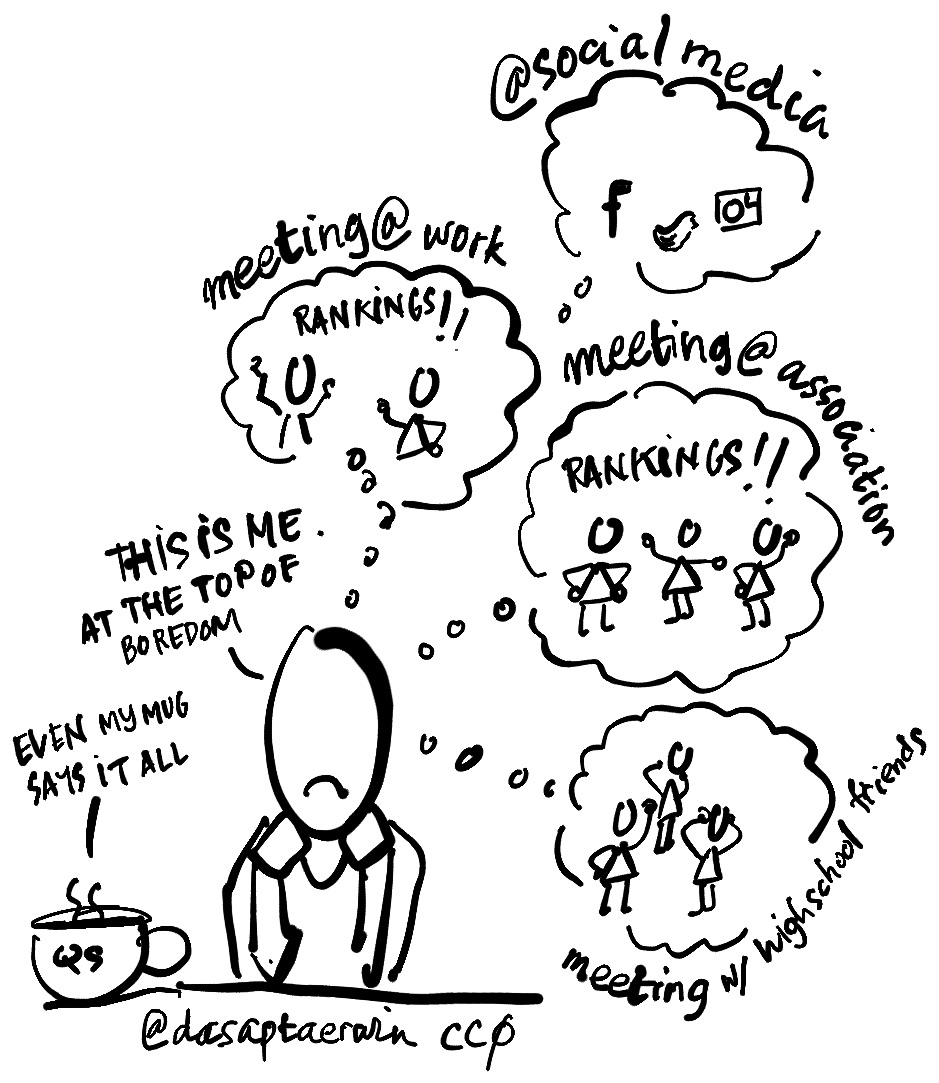
To take your practice of solitude to the next level, consider the concept of productive boredom. Most of us are terrified of being bored, yet boredom is the doorway to curiosity. When you stop feeding your brain a steady stream of dopamine-triggering information, your brain begins to seek out new connections between existing ideas. This is where “Aha!” moments are born.
“The ability to be alone is the capacity for love. It may look paradoxical to you, but it is not. It is an existential reality: only those people who are capable of being alone are capable of love, of sharing, of going into the deepest core of another person.” — Often attributed to modern philosophical discourse on self-actualization.
Additionally, practice Sensory Minimalism. In your time of solitude, try to simplify your environment. Dim the lights, remove clutter, and silence notifications. By reducing sensory input, you lower the cognitive load on your brain, allowing it to dedicate more energy to introspection and complex problem-solving.
Conclusion
In a hyper-connected, high-transparency society, the person who can master their own solitude possesses a distinct competitive and emotional advantage. While the world demands that you be a node in a vast network of constant communication, your humanity depends on your ability to disconnect and reconnect with yourself.
Solitude is not an escape from reality; it is a way to engage with it more deeply. By protecting your mental autonomy, you ensure that your thoughts remain your own, your decisions are intentional, and your life is not merely a reaction to the noise of the crowd. Start small, set your boundaries, and embrace the silence. You will find that in the quiet, you discover exactly who you are and what you are capable of achieving.