The AI Grid: Mastering Continuous Calibration for Energy
— by
Steven Haynes
Outline
1. Introduction: Defining the AI-driven smart grid and the transition from static infrastructure to dynamic, self-optimizing ecosystems.
2. Key Concepts: Explaining “Continuous Calibration,” Predictive Load Balancing, and Decentralized Energy Resources (DERs).
3. Step-by-Step Guide: How utility providers and industrial operators implement AI grid calibration.
4. Real-World Case Studies: Examining how large-scale deployments (e.g., smart cities and microgrids) utilize AI to mitigate brownouts.
5. Common Mistakes: Addressing data silos, human-in-the-loop apathy, and insufficient sensor density.
6. Advanced Tips: Leveraging edge computing and predictive maintenance for long-term grid stability.
7. Conclusion: Summary of why AI calibration is the cornerstone of a carbon-neutral future.
The AI Grid: Mastering Continuous Calibration for Energy Optimization
Introduction
The traditional power grid was built on a model of predictability: central power plants generated electricity, and it flowed in one direction to consumers. Today, that model is obsolete. With the rise of intermittent renewable energy sources like solar and wind, combined with the unpredictable power demands of electric vehicles and smart homes, the grid has become a highly volatile ecosystem. To maintain stability, we have entered the era of the AI-driven grid.
When we say the AI grid continuously calibrates energy distribution, we are talking about a fundamental shift from reactive management to proactive intelligence. Instead of waiting for a circuit to overload, the system uses machine learning to predict demand, balance loads in milliseconds, and reroute power autonomously. This isn’t just about efficiency; it is about preventing systemic collapse and enabling a sustainable energy future.
Key Concepts
To understand how AI optimizes energy, we must look at three core pillars of grid intelligence:
Continuous Calibration: This is the process of infinite, micro-adjustments. AI algorithms ingest vast streams of data from sensors (PMUs—Phasor Measurement Units) across the grid. Every few milliseconds, the system adjusts the voltage and frequency to match load requirements, ensuring that supply and demand are perfectly synced without human intervention.
Predictive Load Balancing: Unlike historical data models that rely on yesterday’s usage to guess today’s needs, AI uses real-time pattern recognition. It accounts for weather volatility, industrial operational schedules, and even social events to forecast demand spikes before they occur, shifting energy storage assets to compensate ahead of time.
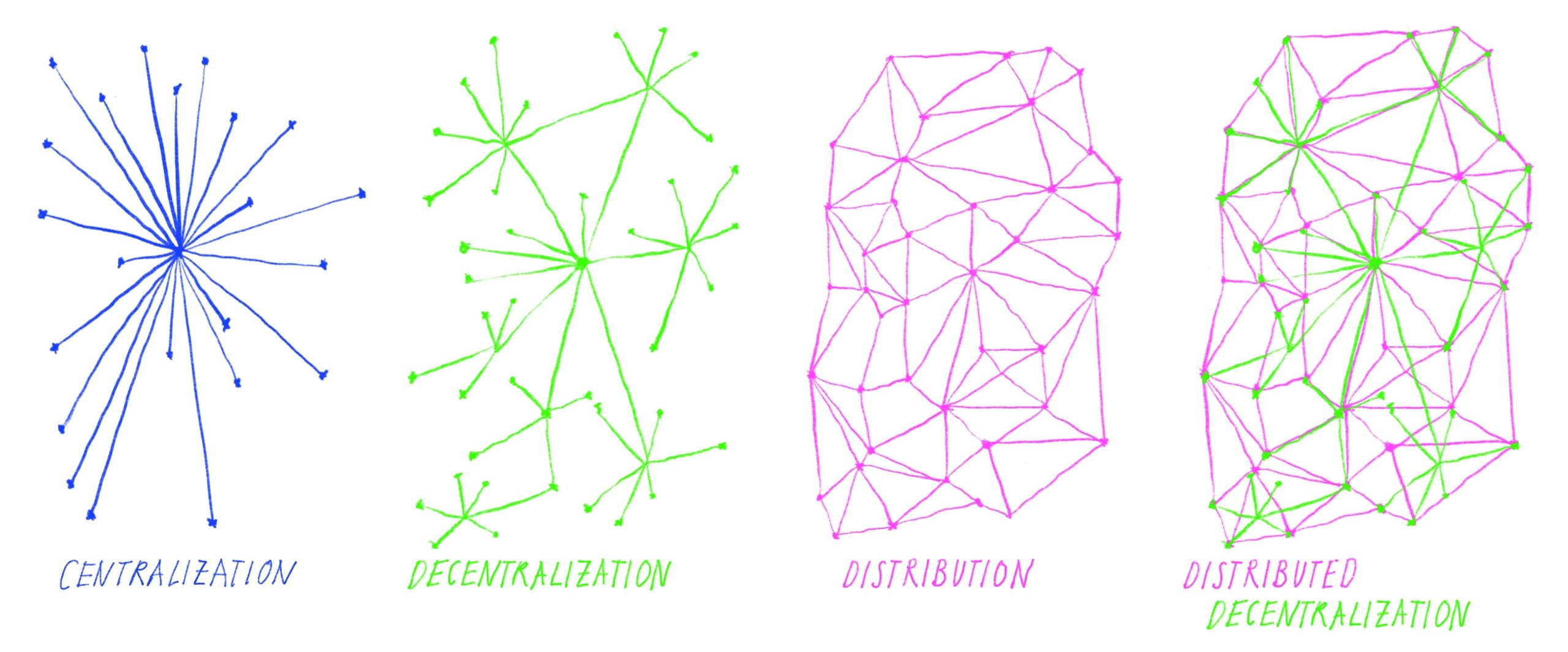
Decentralized Energy Resources (DERs): The modern grid is no longer a one-way street. It is a network of “prosumers”—homes with solar panels and batteries, commercial buildings with backup generators, and EV fleets. AI manages these DERs, treating them as a collective virtual power plant that can be tapped into whenever the main grid faces a shortfall.
Step-by-Step Guide: Implementing AI Grid Calibration
Data Infrastructure Deployment: Install high-fidelity IoT sensors across the grid to monitor voltage, current, and phase angle in real-time. Without granular data, AI models cannot perform accurate calibration.
Digital Twin Creation: Build a virtual replica of the physical grid. This “Digital Twin” allows the AI to simulate various stress scenarios—such as a sudden surge in demand or a storm-related outage—to calculate the optimal response without risking the actual infrastructure.
Algorithm Training: Feed historical grid data into machine learning models. The AI must learn the difference between a minor fluctuation (noise) and a genuine grid instability event that requires a corrective action.
Automated Feedback Loops: Connect the AI controller to hardware switches and smart inverters. Once the AI is validated in the simulation environment, it is granted the authority to execute autonomous commands to throttle or boost power distribution.
Monitoring and Iteration: Continuously refine the model. As the grid changes—such as adding new charging stations—the AI must re-learn the new distribution patterns to maintain its optimization efficiency.
Examples and Case Studies
Real-world applications are already proving the efficacy of AI-calibrated grids. One notable example is the Smart City initiatives in Singapore. By integrating AI into their microgrid, the city-state has managed to balance energy consumption across high-density residential and commercial sectors. During peak heatwaves, the AI automatically communicates with smart building management systems to adjust HVAC settings, preventing grid strain while maintaining occupant comfort.
The core value of the AI grid is its ability to handle “uncertainty” as a variable rather than an error. In a standard grid, cloud cover over a solar farm is a crisis; in an AI grid, it is simply a data point that triggers an automatic ramp-up of battery discharge or a slight load reduction in non-critical sectors.
Another case study involves large-scale industrial microgrids in Germany. Manufacturing plants that rely on heavy robotics often suffer from voltage sags that can damage equipment. AI-driven power electronics now monitor the millisecond-by-millisecond power quality, injecting stored energy from on-site capacitors to “smooth out” the wave form before the equipment even detects a dip.
Common Mistakes
Even with advanced technology, operators often stumble during the transition to AI management:
Data Silos: Many utilities keep distribution data separate from transmission data. AI requires a holistic view; if the algorithm only sees part of the puzzle, its calibration efforts will be sub-optimal or even counter-productive.
Ignoring Edge Case Scenarios: AI is excellent at handling the “normal”, but it can fail during “black swan” events. Operators often forget to train their models on extreme, historical failure events, leading to a system that “panics” when faced with unprecedented circumstances.
Over-Reliance on Autonomy: Removing human oversight entirely is a mistake. AI must operate within pre-defined “guardrails.” If the system pushes the grid into an unsafe state, there must be a hard-wired physical override that the AI cannot bypass.
Advanced Tips
To maximize the performance of an AI-calibrated grid, organizations should focus on the following:
Implement Edge Computing: Do not rely solely on a central cloud server for calibration. By placing AI processing power at the edge—directly on the substations and transformers—you reduce latency. When you are dealing with millisecond-level stability, the time it takes for data to travel to a central server and back can be the difference between a stable grid and a blackout.
Predictive Maintenance Integration: Extend the AI’s reach beyond load balancing. Use the same sensor data to predict hardware failures. If the AI detects a transformer vibrating at an unusual frequency, it can reroute power to bypass that transformer before it physically fails, effectively “healing” the grid before damage occurs.
Cyber-Resilience: As the grid becomes more automated, it becomes a target. Ensure that the AI calibration loops are protected by blockchain or similar distributed ledger technologies to prevent malicious actors from feeding false data into the system that could trigger artificial outages.
Conclusion
The AI grid is not just a technological upgrade; it is a necessity for the modern world. By continuously calibrating energy distribution, we can accommodate the chaotic, decentralized nature of renewable energy while maintaining the reliability that modern society demands. The goal is a grid that is not only smart but resilient—one that learns, adapts, and evolves with every kilowatt it delivers. For utility providers and stakeholders, the path forward is clear: invest in data, prioritize edge intelligence, and embrace the autonomy of the AI-calibrated energy landscape.



Leave a Reply