

The Digital Altar: Reimagining Authentic Liturgy in the Age of AI
Introduction
For centuries, the liturgy—the public worship or ritual of a religious community—has relied on the presence of human bodies, voices, and intentions. Whether it is the rhythmic chanting of a psalm or the communal breaking of bread, the act is defined by human participation. Today, the rise of Generative AI is fundamentally challenging these traditional boundaries. From AI-generated homilies and liturgical music to digital pastoral counseling, technology is increasingly inserting itself into the sacred space.
This integration forces a profound re-examination of what constitutes an “authentic” spiritual act. Is prayer, if facilitated by an algorithm, still a prayer? Does the efficacy of a ritual depend on the person performing it, or is the ritual itself an autonomous container for grace? As we stand at this intersection of silicon and spirit, we must discern whether AI acts as a tool for deepening devotion or a shortcut that hollows out the very essence of religious life.
Key Concepts
To understand the friction between AI and liturgy, we must define the core pillars of authentic spiritual practice. In most theological traditions, liturgy is rooted in intentionality and incarnation.
- Intentionality: Liturgy is a volitional act. It requires the engagement of the human will directed toward a transcendent reality. When AI generates a prayer, it is not “intending” anything; it is predicting the next statistically probable word based on a dataset.
- Incarnation: Rituals are physical. They involve posture, breath, communal proximity, and sensory experience. AI lacks a body; it exists as a set of instructions on a server. The lack of “flesh” suggests a disconnect from the incarnational nature of many liturgical traditions.
- Mediated vs. Direct Experience: We must distinguish between tools that assist in human worship (like a microphone or a digital hymnal) and agents that simulate the spiritual experience itself. The former supports human agency; the latter risks replacing it.
Step-by-Step Guide: Evaluating AI in Your Liturgical Life
If you are a clergy member, a worship leader, or a practitioner looking to engage with AI in a liturgical context, follow this guide to maintain integrity and authenticity.
- Audit the “Why”: Before implementing an AI tool, ask: “Does this replace a human process that is essential to the spiritual formation of the participant?” If the answer is yes, proceed with extreme caution. If it merely automates administrative heavy lifting, it is likely safe.
- Prioritize Human Review: Never treat AI-generated content (such as a sermon outline or a call to worship) as a final product. Use AI only as a brainstorming assistant. The final output must be processed, edited, and “lived” by a human who can vouch for its theological soundness.
- Disclose and Define: If AI tools are used to assist in the creation of a liturgical element, be transparent with your community. This prevents the illusion of an “automatic” miracle and keeps the focus on the human community gathering together.
- Protect the “Face-to-Face”: Ensure that AI is never used to facilitate pastoral interactions that require emotional intelligence, empathy, and spiritual discernment. Use AI for scheduling or logistics, but reserve the “holy work” of listening for humans.
Examples and Case Studies
The application of AI in liturgy is already occurring in diverse ways, yielding mixed results.
The Church of St. Paul in Bavaria recently conducted an experimental service where an AI chatbot delivered a 40-minute sermon to hundreds of congregants. While the technical execution was flawless, attendees noted a distinct lack of “soul” and “warmth.” The takeaway was clear: information was delivered, but transformation was absent.
Conversely, consider the use of AI in liturgical research and preservation. Some organizations are using AI models to translate ancient liturgical manuscripts or to cross-reference scriptural themes for sermon preparation. In this case, the AI is not acting as a priest; it is acting as a digital scribe. It preserves the human tradition rather than attempting to perform it.
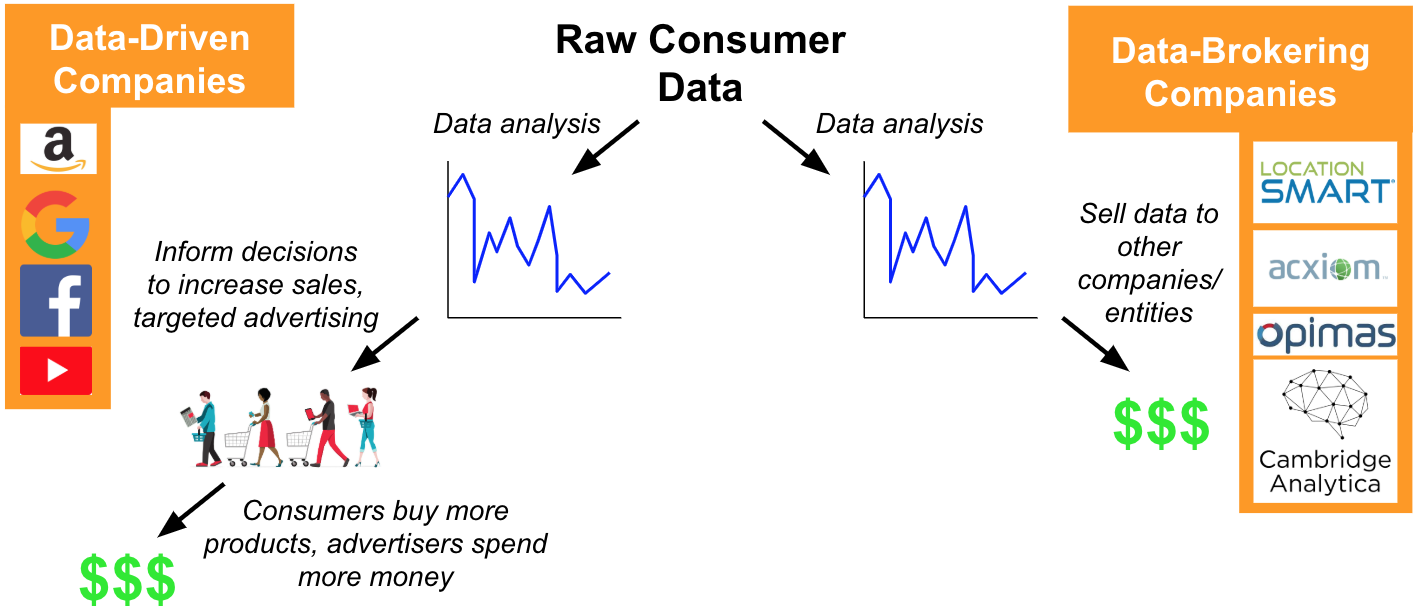
In another application, some parishes use AI-driven data analytics to understand when their congregants are most engaged during services. By analyzing patterns of attendance, they can better design the flow of the liturgy to meet the community where they are, without the algorithm dictating the theological content of the service.
Common Mistakes
When integrating new technology into ancient structures, several pitfalls are common:
- Efficiency Over Efficacy: The mistake of thinking that because a service can be streamlined, it *should* be. Liturgy is often intentionally repetitive and “inefficient” because it requires time for human reflection.
- The “Magic Mirror” Fallacy: Assuming that because an AI-generated reflection sounds profound, it is spiritually true. AI is excellent at mimicry but incapable of wisdom. It produces “theological-sounding” prose that may lack deep alignment with a specific faith tradition’s core values.
- Devaluing the Human Element: Replacing the organist with AI-generated background music or the reader with an AI voice. When you remove the human imperfection from liturgy, you remove the relatability that allows a community to see themselves in the act of worship.
Advanced Tips for Navigating the Digital Transition
As AI becomes more sophisticated, we must shift our focus from “what is AI doing?” to “what are we doing in response to AI?”
Focus on “The Theology of Presence.” As artificial entities become more capable of simulating presence, real human presence becomes a scarcer, more valuable commodity. The most authentic spiritual act you can perform in a digital age is being physically present, undistracted, and vulnerable with your community.
Cultivate Discernment as a Liturgical Skill. Train your community to recognize the difference between “technological convenience” and “spiritual encounter.” Use your homilies or small group discussions to critically analyze how technology shapes our perception of God. Teach people to pause and ask: “Is this tool helping me focus on the Divine, or is it distracting me with the illusion of control?”
Embrace the Limitations of AI. The “glitches” of AI—its hallucinations, its biases, and its cold logic—can be used as teaching moments. They serve as a constant reminder that humanity, with all its fragility and flaws, is the vessel through which faith is expressed, not a machine that functions perfectly.
Conclusion
The integration of AI into liturgy does not signal the end of faith, but it does demand a higher degree of intentionality. If we treat the liturgy as a product to be consumed, AI will eventually replace the human elements of that product. However, if we view the liturgy as a transformative, relational encounter, we will realize that AI can never be a substitute for the human spirit.
Authentic spiritual acts require the surrender of one’s own ego and the movement toward the other. AI, by definition, is a tool of the ego—programmed to satisfy prompts, optimize outcomes, and predict preferences. To keep our liturgy authentic, we must keep it human, keep it messy, and keep it grounded in the physical reality of our gathered communities. We must use these new tools to serve the ancient truth, ensuring that the machine never becomes the mediator between the soul and the Divine.



Leave a Reply