The Arcane Archive: A Framework for Preserving Occult Manuscripts via Decentralized Storage
Introduction
Rare occult manuscripts—from grimoires bound in centuries-old vellum to privately held alchemical treatises—represent some of the most fragile artifacts of human intellectual history. These documents are often subject to the “tyranny of location”: they exist in singular, vulnerable physical forms, hidden in private collections, or locked behind the paywalls of institutional archives. When these physical items are lost to fire, neglect, or political upheaval, the knowledge contained within vanishes forever.
The solution lies in the convergence of high-resolution digital imaging and decentralized storage protocols. By shifting from centralized cloud servers (which are subject to censorship, data rot, and corporate bankruptcy) to decentralized networks, we can create an immutable, censorship-resistant, and geographically distributed ledger of esoteric knowledge. This article proposes a robust framework for digitizing and securing these rare works for posterity.
Key Concepts
To understand the preservation framework, we must define the three pillars of decentralized data management:
- IPFS (InterPlanetary File System): Unlike HTTP, which locates files based on where they are (a server), IPFS locates files based on what they are (Content Addressing). Every file is assigned a unique cryptographic hash. If the file is altered even by a single pixel, the hash changes, ensuring perfect data integrity.
- Filecoin & Arweave: These are incentive layers built on top of decentralized storage. While IPFS allows you to access a file, Filecoin and Arweave provide the “permanent web.” Arweave, specifically, uses a “permaweb” model, where a one-time endowment fee ensures that data is stored across a global network of nodes for hundreds of years.
- Proof of Retrievability: These protocols use cryptographic challenges to ensure that the nodes holding your manuscript shards are actually storing them, preventing “data decay” where nodes simply stop hosting files they deem irrelevant.
Step-by-Step Guide: The Digital Preservation Pipeline
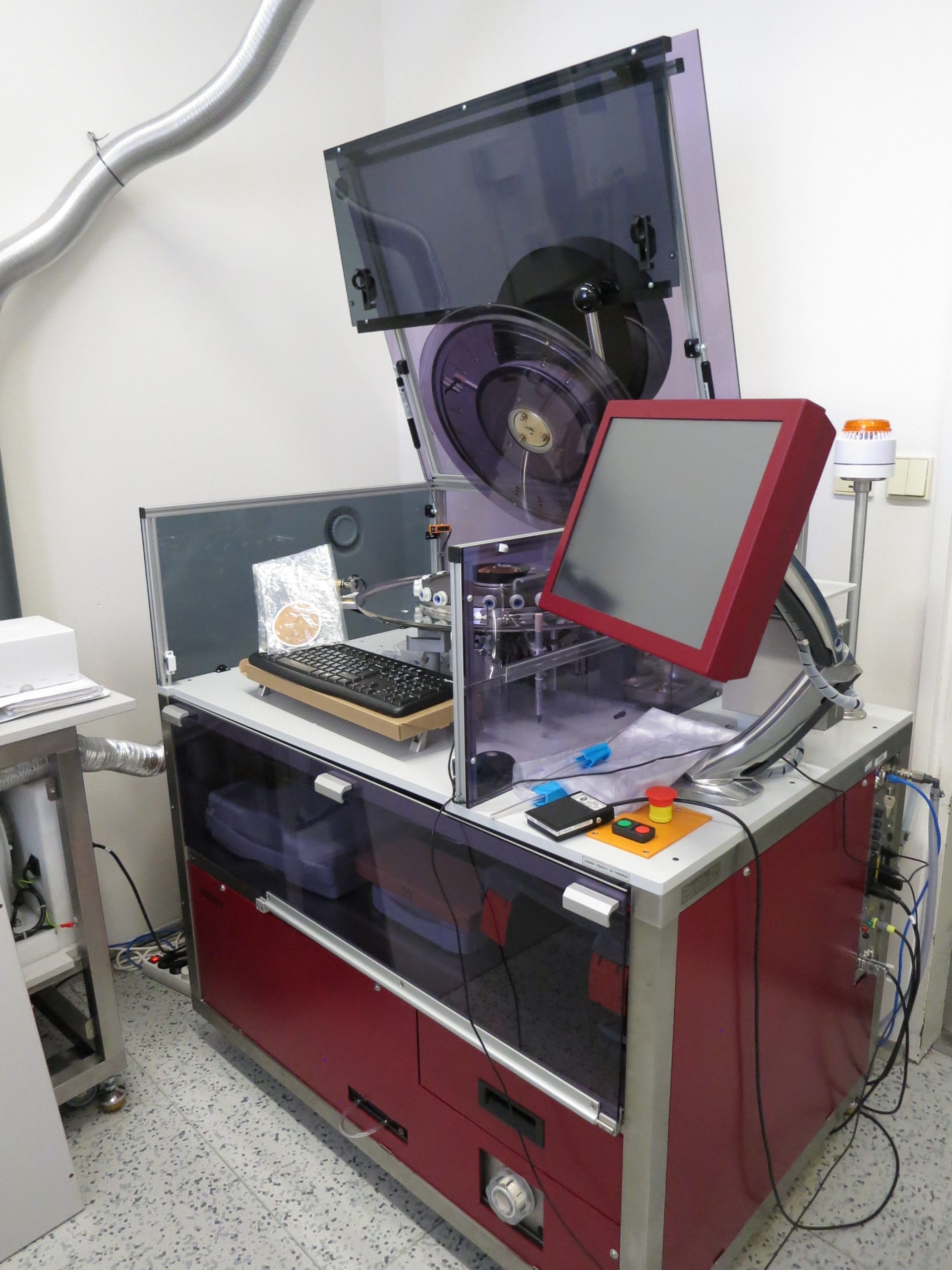
- Non-Destructive High-Fidelity Capture: Use planetary scanners to digitize the manuscript at a minimum of 600 DPI in uncompressed formats (TIFF or RAW). Capture side-profile imagery to document binding techniques, as these are often as historically significant as the text itself.
- Standardized Metadata Enrichment: Embed metadata using the Dublin Core standard. Include provenance, physical dimensions, material analysis, and linguistic markers. This metadata must be stored as a JSON sidecar file directly linked to the image file’s hash.
- Encryption and Sharding: Before uploading, encrypt the raw data using client-side tools. Once encrypted, utilize a protocol to shard (break) the data into encrypted pieces. This ensures that even if a node operator inspects their storage, they cannot view the content.
- Pinning and Permanent Anchoring: “Pin” the data to the IPFS network to ensure it is discoverable. Follow this by backing it up to the Arweave permaweb. By anchoring the hash on a blockchain, you create an immutable “Certificate of Authenticity” for the digital file.
- Governance and Access Control: Utilize Decentralized Autonomous Organizations (DAOs) to manage access. If the manuscript contains sensitive or restricted content, access keys can be gated by membership tokens, ensuring the collection is managed by an vetted community of scholars rather than a single corporate entity.
Examples and Case Studies
Consider the theoretical preservation of a 17th-century grimoire currently residing in a flood-prone private basement. By applying the decentralized framework:
The owner digitizes the text, generates a unique hash, and pays a small fee in AR (Arweave tokens). The document is then distributed across thousands of nodes worldwide. Even if the original physical book is destroyed, and the owner’s local computer is stolen, the manuscript remains accessible to any researcher with the content hash. The data is not owned by any cloud provider; it is owned by the network.
Furthermore, institutions like the Internet Archive have begun integrating IPFS to prevent “link rot.” By applying this to specialized esoteric collections, we can create a “Universal Grimoire Database” that bypasses institutional gatekeepers, allowing for crowdsourced linguistic analysis and collaborative scholarship on encrypted texts.
Common Mistakes
- Assuming “Cloud” is “Permanent”: Uploading manuscripts to Google Drive or Dropbox is not preservation. These companies reserve the right to delete content based on Terms of Service violations or account inactivity.
- Neglecting Content Hash Integrity: Storing files without hashing them means you have no way to prove that the digital copy hasn’t been altered over time. Without integrity checks, you are just moving “bit rot” from one server to another.
- Ignoring Data Sovereignty: Failing to encrypt sensitive manuscripts before uploading them to a public decentralized network can expose private or legally restricted documents to the global public. Always use client-side encryption.
- Reliance on a Single Protocol: Never rely on one network alone. A robust framework should use a “multi-homed” approach, spreading data across at least two distinct protocols (e.g., Filecoin and Arweave) to mitigate the risk of a specific protocol failure.
Advanced Tips for Digital Archivists
To ensure your digital collection stands the test of time, implement Proof of Existence. By hashing your collection and anchoring that hash into a Bitcoin or Ethereum transaction, you create a timestamped, unalterable record that the document existed in its current form at a specific point in time. This is invaluable for establishing the provenance of rare texts.
Additionally, consider the “Human Layer.” Decentralized storage ensures the files remain, but human context is needed to interpret them. Host your metadata on a decentralized wiki or a blockchain-based indexing service. This allows scholars to attach annotations, translations, and historical commentary to the manuscripts, creating a living archive that grows in value as more people interact with it.
Conclusion
The digital preservation of rare occult manuscripts is not merely a technical challenge; it is an act of cultural guardianship. By leveraging decentralized storage protocols, we remove the fragility of physical existence and the insecurity of centralized hosting. We move toward a future where the wisdom of the past is not tucked away in the shadows of private vaults, but is instead securely distributed, immutable, and accessible to anyone with the will to seek it.
This framework provides a roadmap for the modern archivist to bridge the gap between ancient parchment and the future of the decentralized web. The tools are ready. The protocols are live. The preservation of our hidden history is now, for the first time, truly in our own hands.