The Immutable Oracle: Leveraging Blockchain for Personal Divinatory Journals
Introduction
For centuries, seekers have documented their divinatory practices—tarot spreads, astrological transits, I-Ching readings, and intuitive downloads—in physical leather-bound journals. While these physical artifacts possess a romantic charm, they are fragile, susceptible to environmental damage, and easily lost or altered. In the digital age, we have moved to cloud-based apps, but these platforms carry their own risks: data harvesting, corporate privacy policies, and the potential for a server-side shutdown to erase years of spiritual growth.
Enter blockchain technology. By treating a personal divinatory journal as an immutable ledger, practitioners can create a permanent, time-stamped, and tamper-proof record of their spiritual evolution. This shift moves your journal from a mere collection of notes into a cryptographic archive, ensuring that your insights remain yours, exactly as they were written, for as long as the network exists.
Key Concepts
To understand the application of blockchain to journaling, we must strip away the hype surrounding cryptocurrency and focus on the core utility: immutability.
Blockchain as a Ledger: At its simplest, a blockchain is a distributed database that records transactions in blocks that are cryptographically linked. Once a block is added, it cannot be changed without changing all subsequent blocks, which is computationally impossible under normal circumstances.
Hashing: Every entry is assigned a unique digital fingerprint called a “hash.” If even a single character in your journal entry changes, the hash changes entirely. This allows you to verify that your past reflections have not been edited, corrupted, or tampered with over time.
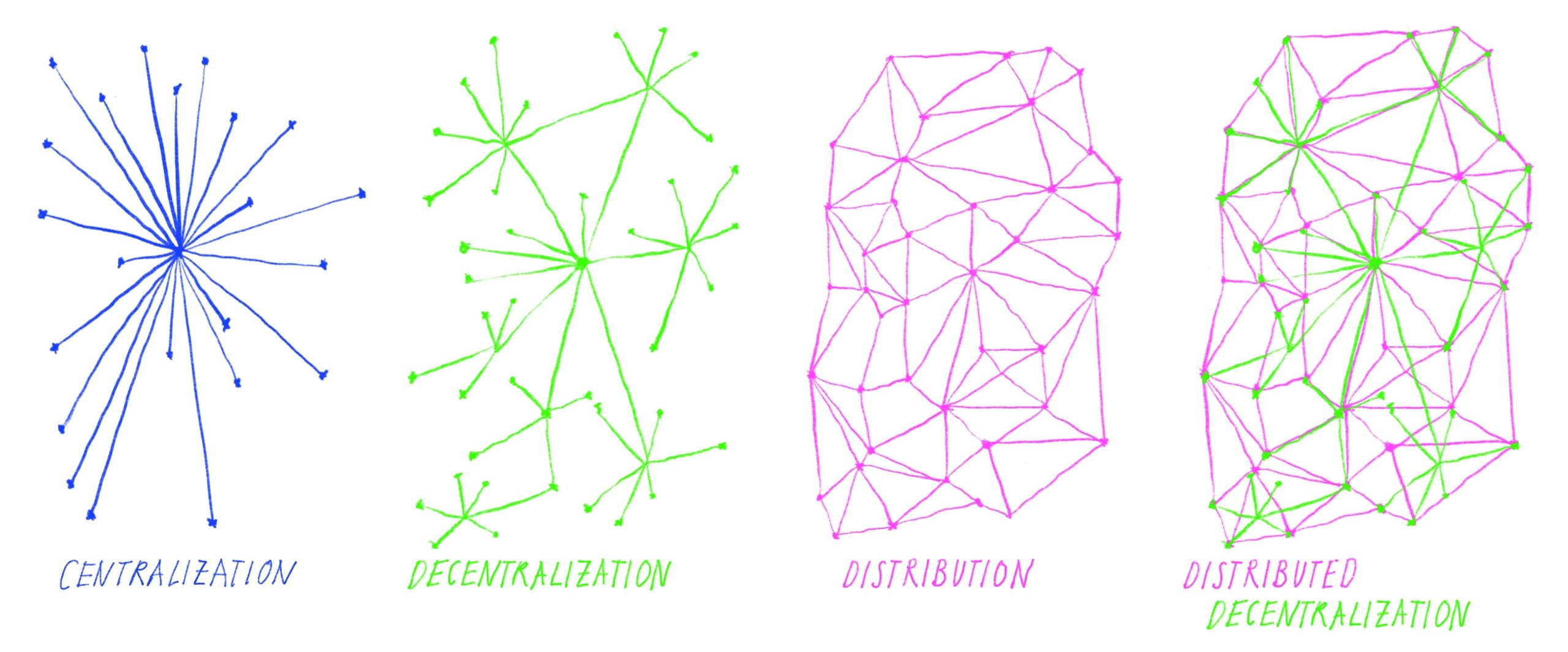
Decentralization: By utilizing decentralized storage or public blockchains, you remove the “middleman.” Your journal is not held on a private server controlled by a tech corporation; it is recorded on a distributed network that you, and only you, hold the keys to verify.
Step-by-Step Guide: Building Your Blockchain Journal
You do not need to be a software developer to utilize blockchain technology for your journals. Follow this practical framework to secure your insights.
Select a Storage Protocol: Instead of traditional cloud storage, utilize decentralized file storage systems like IPFS (InterPlanetary File System). IPFS allows you to upload a file (your journal entry) and receive a unique Content Identifier (CID). This CID is proof of the file’s exact state.
Create a Digital Signature: Use a self-custodied crypto wallet (such as MetaMask or Phantom). When you finalize a journal entry, “sign” the entry or the CID with your private key. This creates a cryptographically verifiable proof that you were the author at that specific moment.
Record the Hash on-chain: Use a low-cost, high-efficiency blockchain like Polygon or Arbitrum. You will send a small transaction containing the CID of your entry. The blockchain now stores the permanent record of that entry’s existence and time, without needing to store the entire text of the entry on the chain itself (which saves on costs).
Implement an Interface: Use a simple local application or a tool like Mirror.xyz or a private Notion-to-IPFS integration to manage the writing process. This keeps your writing experience smooth while the technical heavy lifting happens in the background.
Verify Periodically: Once a month, use a block explorer to search your wallet address. You will see a chronological list of all your entries, immutable and time-stamped forever.
Examples and Real-World Applications
How does this change the experience of divination? Consider these practical applications:
The “Before and After” Audit: Many practitioners suffer from confirmation bias, accidentally reinterpreting past readings to fit current circumstances. With an immutable ledger, you can pull up a reading from three years ago and know with 100% certainty that the notes reflect your original interpretation. You are forced to confront your past self, leading to more honest growth.
Prophetic Verification: If you perform predictive readings, record the hash on-chain the moment the reading occurs. When the event unfolds, you can prove to yourself—or a trusted peer—that the prediction was recorded before the event, providing empirical evidence of your intuitive accuracy.
Digital Legacy: Your spiritual journals represent a significant portion of your identity. By anchoring them on a blockchain, you create a digital legacy that cannot be deleted by a hosting company closing its doors. You can provide your heirs with the private keys to access your life’s insights, ensuring they survive for decades.
Common Mistakes
While the technology is robust, human error remains a significant factor.
Loss of Private Keys: The most common mistake is losing your wallet’s “seed phrase.” In the blockchain world, if you lose your keys, your data is effectively lost to the void. Always store your recovery phrases in physical, offline locations (such as a metal plate or a fireproof safe).
Storing Sensitive Data Unencrypted: Blockchains are public by nature. Even if the data is hard to find, it is accessible to anyone with your wallet address. Always encrypt your journal entries before uploading them to IPFS. Use an encryption tool like PGP to lock your file; then, put the CID of the encrypted file on the blockchain.
Over-Engineering: Do not try to build a complex custom smart contract unless you are a developer. Use existing tools that allow for simple content pinning. Complexity increases the likelihood of errors and security vulnerabilities.
Advanced Tips for the Modern Seeker
To take your practice to the next level, consider these strategies:
The marriage of ancient intuition and modern cryptography provides a unique “proof-of-work” for the soul. By documenting your spiritual process with the same security used in high-stakes finance, you elevate your practice from a hobby to an archival endeavor.
Automated Archiving: If you currently use a journaling app, look for those that offer an API. You can write a small script that automatically “pins” your latest entry to IPFS and records the hash to the blockchain every time you click “Save.”
Multi-Signature Journals: If you are part of a study group or a coven, you can create a multi-signature wallet where entries require approval from multiple members to be added. This serves as an immutable record of group consensus or shared ritual experiences, preventing any one person from altering the collective history.
Metadata Tagging: Include metadata in your entries—such as moon phase, planetary transits, or your own emotional state. Because this metadata is hashed along with the journal text, you can later perform sophisticated data analysis on your own life, identifying correlations between astrological events and your personal intuitive successes over long periods.
Conclusion
Blockchain technology offers something that paper and cloud apps cannot: a permanent, undeniable, and sovereign record of your spiritual life. By shifting your divinatory practice into an immutable ledger, you aren’t just taking notes; you are creating an archive of your consciousness.
The beauty of this approach is that it requires no permission from authorities or corporations. It is a tool for self-reliance. As you continue your journey, your journal will serve not just as a diary, but as a robust, verifiable testament to your growth, your intuition, and your history. Embrace the digital permanence of your path, and ensure your insights remain untouched by time.