1. Introduction: Defining the “Privacy Gap” in blockchain architecture and the role of off-chain storage. 2. Key Concepts: Understanding the mechanics of off-chain buffers, encryption at rest, and the separation of sensitive PII (Personally Identifiable Information) from immutable ledgers. 3. Step-by-Step Guide: Implementing a secure pipeline for off-chain buffering. 4. Examples: Healthcare records on-chain and decentralized identity (DID) management. 5. Common Mistakes: Improper key management, failing to account for data persistence, and metadata leakage. 6. Advanced Tips: Implementing Zero-Knowledge Proofs (ZKPs) alongside off-chain buffers for selective disclosure. 7. Conclusion: Balancing transparency with privacy for enterprise adoption.
***
Securing Sensitive Data: The Role of Encrypted Off-Chain Storage Buffers
Introduction
The core promise of blockchain technology—immutability—is also its greatest liability when handling sensitive user data. Once information is written to a public ledger, it is virtually impossible to erase. For enterprises and developers, this creates a regulatory nightmare. If you store Personally Identifiable Information (PII) directly on-chain, you are effectively in violation of privacy regulations like GDPR, which mandates the “right to be forgotten.”
The solution lies in architectural decoupling: using encrypted off-chain storage buffers. By processing and storing sensitive information in an off-chain layer before final ledger inclusion, developers can maintain the integrity of a decentralized system while ensuring that private data remains under the control of the user and compliant with global privacy standards.
Key Concepts
To understand off-chain buffers, one must first understand the distinction between state and proof. A blockchain is designed to verify the validity of a transaction, not necessarily to serve as a high-capacity database for raw, unencrypted user data.
The Off-Chain Buffer: This is a secure, temporary, or permanent storage layer that exists outside the blockchain protocol. It acts as a staging area where sensitive data is encrypted before being hashed. Only the resulting cryptographic hash—the “digital fingerprint”—is posted to the blockchain.
Encryption at Rest: Because the buffer is off-chain, it is susceptible to traditional database vulnerabilities. Therefore, data must be encrypted using robust standards like AES-256. The decryption keys should ideally be held by the user or a decentralized key management system (DKMS), rather than the service provider.
Hash Linking: This is the connective tissue. By storing a hash of the off-chain data on the ledger, you create a verifiable link. If the off-chain data is altered, the hash on the blockchain will no longer match, alerting the system to tampering.
Step-by-Step Guide: Implementing a Secure Buffer Pipeline
Data Classification: Identify which fields are sensitive (PII, financial records, health data) and which are metadata. Only send the non-sensitive metadata to the blockchain.
Client-Side Encryption: Encrypt the sensitive data on the user’s device before it ever hits your servers or the buffer. This ensures that even if your infrastructure is compromised, the raw data remains unreadable.
Buffer Storage: Push the encrypted blob to a decentralized storage solution (like IPFS or Arweave) or a private, high-availability database.
Hashing: Generate a cryptographic hash (SHA-256) of the encrypted data.
Ledger Inclusion: Submit the hash and the reference pointer (the URI of the off-chain data) to the blockchain as part of the transaction metadata.
Verification: When the data needs to be retrieved, fetch the encrypted blob from the buffer, re-calculate the hash, and compare it against the value stored on the blockchain to ensure authenticity.
Examples and Case Studies
Decentralized Identity (DID): A user wants to verify their age for an age-restricted service. Instead of storing their full birth certificate on-chain, the user uploads the document to an encrypted off-chain buffer. The service provider receives only a cryptographic proof that the user is over 21, linked to the hash on the ledger. The raw document never touches the blockchain.
Healthcare Records: In a clinical trial setting, patient records are extremely sensitive. Researchers use off-chain buffers to store detailed medical histories. The blockchain is used solely to record the consent given by the patient and the audit trail of who accessed the data and when. This ensures that the patient maintains ownership of their health data while still participating in a verifiable research ecosystem.
Common Mistakes
Key Management Failures: Storing the decryption keys in the same database as the encrypted data. If the database is breached, the encryption is rendered useless. Always use an external Key Management Service (KMS).
Metadata Leakage: Even if the main data is encrypted, the file names, timestamps, or folder structures in an off-chain buffer can reveal sensitive patterns. Ensure that metadata is also scrubbed or obfuscated.
Ignoring Persistence: If you use an off-chain buffer that is not persistent (e.g., a temporary cache), you risk “orphan hashes.” If the data disappears from the buffer, the hash on the blockchain becomes a useless, unverifyable string.
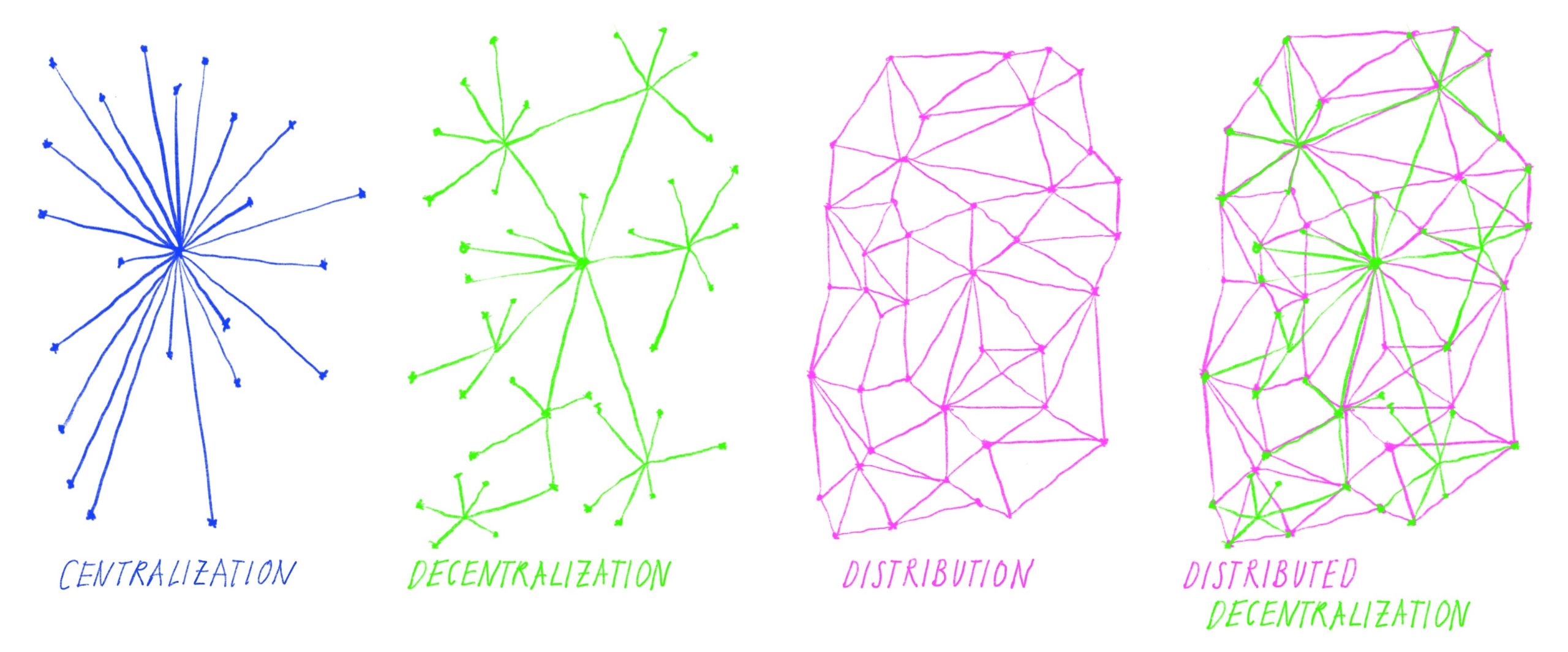
Centralization Risks: Using a single, centralized server as an off-chain buffer introduces a single point of failure that defeats the purpose of decentralized verification.
Advanced Tips
To take your implementation to the next level, consider integrating Zero-Knowledge Proofs (ZKPs). ZKPs allow you to prove that a statement is true (e.g., “I have a balance greater than $1,000”) without revealing the underlying data. By using ZKPs in conjunction with off-chain storage, you minimize the amount of data that even needs to be stored in the buffer.
Furthermore, implement automated data expiry. If the purpose of the data is temporary (like a one-time verification token), set the off-chain buffer to automatically prune or overwrite the data after a set period. This ensures that you are not holding onto data that is no longer needed, reducing your liability under regulations like GDPR or CCPA.
Finally, leverage Decentralized Storage Networks. Rather than using a standard cloud provider (like AWS S3), consider protocols that incentivize data persistence across a distributed network. This ensures that your off-chain buffers are just as resilient as the blockchain itself.
Conclusion
Encrypted off-chain storage buffers are the missing link between the privacy-centric requirements of modern business and the transparency of blockchain technology. By keeping sensitive PII off-chain while anchoring its integrity to the ledger via cryptographic hashes, developers can build systems that are both compliant and trustworthy.
The goal is to treat the blockchain as a court of record—a place for truths and verifications—while keeping the raw, sensitive data in secure, encrypted, and ephemeral storage. By mastering this architectural separation, you ensure that your application can scale globally while respecting the fundamental right to data privacy.