Zero-Shot Fusion Control: Autonomous Energy Systems Guide
— by
Steven Haynes
Contents
1. Introduction: Defining the challenge of grid instability in renewable energy and the paradigm shift toward Zero-Shot fusion control.
2. Key Concepts: Understanding Zero-Shot learning, fusion algorithms, and the integration of stochastic energy sources.
3. Step-by-Step Guide: Implementing a Zero-Shot fusion framework for decentralized energy management.
4. Real-World Applications: Case studies in microgrid balancing and EV charging network optimization.
5. Common Mistakes: Pitfalls in data quality, latency, and model over-fitting.
6. Advanced Tips: Enhancing robustness through transfer learning and edge computing.
7. Conclusion: Future outlook on autonomous energy systems.
***
Zero-Shot Fusion Control Algorithms: The Future of Autonomous Energy Systems
Introduction
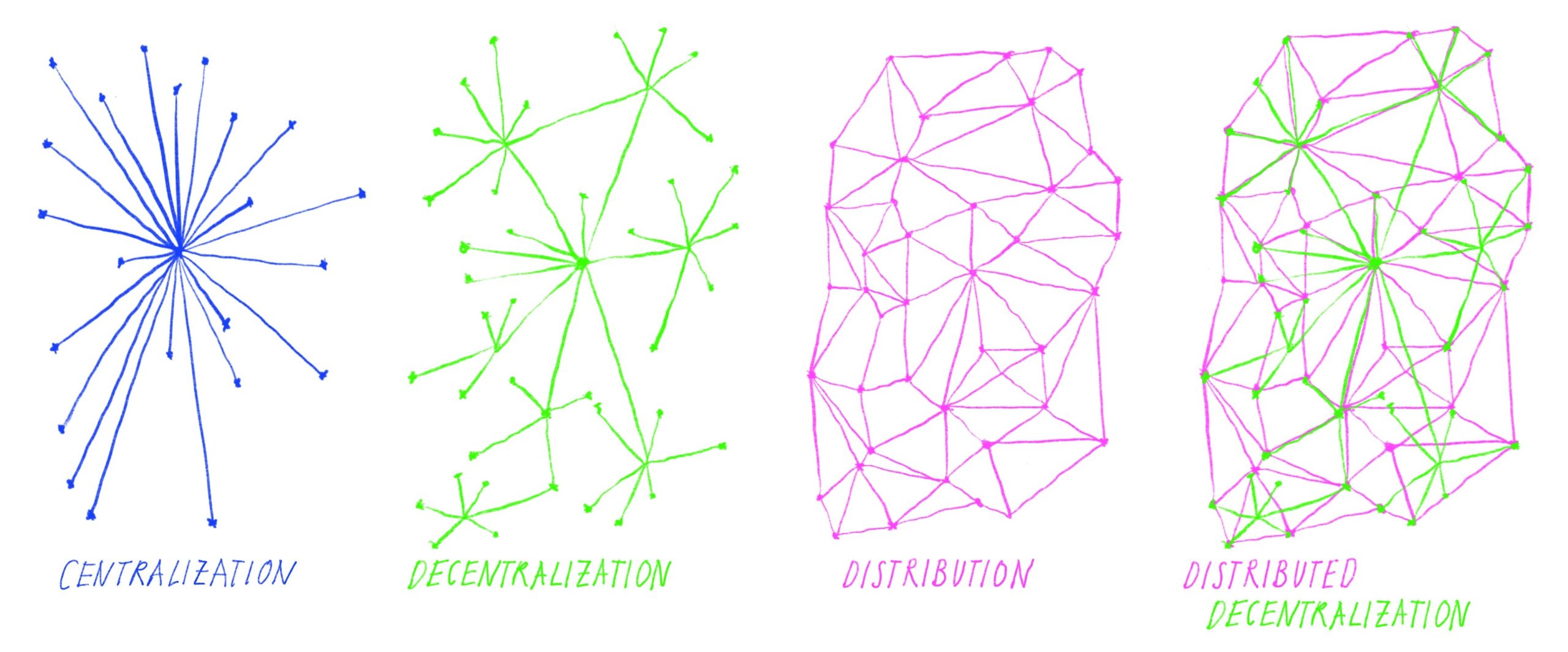
The modern energy landscape is undergoing a radical transformation. As we pivot toward decentralized, renewable-heavy grids, the traditional centralized control models are becoming increasingly obsolete. The primary challenge? Intermittency. Solar and wind power do not follow the predictable load patterns of legacy coal or nuclear plants. To maintain grid frequency and voltage stability, we need control systems that can adapt to scenarios they have never encountered before.
Enter the Zero-Shot Fusion Control Algorithm. Unlike traditional machine learning models that require massive labeled datasets of historical failures to “learn” how to react, Zero-Shot algorithms are designed to generalize across unknown tasks. By fusing multi-modal sensor data with physical constraints, these systems can make real-time decisions in completely novel operational environments. For engineers and grid operators, this represents the transition from reactive maintenance to proactive, autonomous grid orchestration.
Key Concepts
At its core, a Zero-Shot Fusion Control Algorithm operates by mapping sensory input into a shared semantic space where the system can infer the correct control action without prior training on that specific event.
The Concept of Zero-Shot Learning (ZSL)
In standard AI, a model trained to optimize a battery storage system for “sunny days” might fail catastrophically during an unprecedented heatwave or a sudden equipment failure. ZSL allows the controller to understand the properties of the environment—such as load elasticity, thermal limits, and generation volatility—rather than just memorizing historical outcomes. It treats a new state as a combination of known features, allowing the algorithm to “zero in” on an optimal control strategy immediately.
Sensor Fusion Integration
Energy systems are awash in data, but that data is often noisy and fragmented. Fusion control algorithms reconcile disparate inputs—PMUs (Phasor Measurement Units), IoT weather sensors, and smart meter telemetry—into a unified state representation. By fusing these streams, the algorithm gains a high-fidelity view of grid health that is resistant to single-point sensor failure.
Step-by-Step Guide: Implementing Zero-Shot Control
Implementing a zero-shot framework requires moving away from static setpoints and toward dynamic, constraint-based optimization.
Define the State Space and Constraints: Begin by mapping the physical limits of your energy assets (e.g., maximum discharge rates for batteries, voltage thresholds for transformers). These constraints act as the “guardrails” for your algorithm.
Feature Embedding: Convert your incoming sensor data into an embedding space. This involves using encoder layers to compress high-dimensional data (like time-series frequency data) into a latent representation that captures the underlying system physics.
Semantic Mapping: Link these embeddings to control objectives. If the system detects a frequency drop, the algorithm should map the specific “state” of the drop to a “control action” (e.g., shedding non-critical load) based on the semantic relationship between the two, even if the algorithm hasn’t seen this exact drop magnitude before.
Deployment of the Controller: Integrate the algorithm into the edge controller. Ensure that the model is continuously validating its actions against the physical constraints defined in Step 1 to prevent “hallucinated” control commands.
Feedback Loop and Latency Tuning: Continuously monitor the delta between predicted grid response and actual performance. Use this delta to refine the embedding space without requiring a full retraining of the model.
Examples and Real-World Applications
Microgrid Stabilization
In a remote industrial microgrid, weather events can cause sudden, massive drops in solar generation. A standard PID controller might oscillate, leading to brownouts. A Zero-Shot fusion controller, by analyzing the rate of change in irradiance data alongside the current state of charge in local storage, can proactively ramp up discharge before the grid frequency even dips. It effectively treats the “sudden drop” as a novel task that it solves by applying its knowledge of power balance physics.
EV Charging Network Orchestration
Large-scale EV charging stations often face peak demand spikes that threaten local distribution transformers. By employing a zero-shot approach, the charging control system can manage thousands of vehicle connections by inferring the “type” of load represented by a new car, even if that specific vehicle or charging protocol has never been registered in the system before. It optimizes charging speeds based on the aggregate grid state, rather than individual vehicle queues.
Common Mistakes
Ignoring Physical Constraints: A common failure is trusting the AI model implicitly. An algorithm might propose a control action that is mathematically “optimal” but physically impossible or damaging to hardware. Always wrap your AI in a deterministic, rule-based safety layer.
Data Latency Mismatch: Fusion algorithms depend on synchronization. If your weather data arrives with a 500ms delay while your frequency data arrives in 10ms, the fusion layer will produce skewed state representations. Ensure hardware-level timestamping (e.g., PTP – Precision Time Protocol).
Over-Fitting to Training Environments: Even in zero-shot systems, developers often over-tune to simulated environments. This creates a “sim-to-real” gap. Always validate with real-world edge cases during the testing phase.
Advanced Tips
To truly excel with Zero-Shot fusion, focus on Transfer Learning. While the system is “zero-shot” in its execution, it can be “pre-trained” on the physics of electrical engineering. By embedding Kirchhoff’s Laws directly into the neural network’s architecture, you ensure that the AI cannot suggest a solution that violates the fundamental laws of energy conservation. This narrows the solution space, making the zero-shot inference significantly faster and more reliable.
Additionally, prioritize Edge Computing. The latency involved in sending sensor data to a centralized cloud for processing is the enemy of stability. By running the inference locally at the transformer or inverter level, you reduce the decision latency, allowing for sub-cycle response times that are critical for modern grid protection.
Conclusion
Zero-Shot fusion control represents a shift toward more resilient, autonomous, and intelligent energy systems. By enabling control algorithms to make sense of the world without the crutch of massive historical datasets, we empower grid operators to handle the volatility of renewable energy with unprecedented precision.
The future of the grid is not in bigger batteries or more cables, but in the intelligence of the software that orchestrates them. Zero-shot algorithms are the key to unlocking that potential, turning unpredictable energy sources into a stable, reliable, and sustainable foundation for the global economy.
As you begin your implementation journey, remember that the goal is not to replace human expertise, but to augment it with systems that can perceive and react to complexity at a speed and scale that was previously impossible.


Leave a Reply