Verifiable Learning Sciences Algorithm for Energy Optimization
— by
Steven Haynes
Outline
Introduction: The convergence of learning sciences and energy systems architecture.
Key Concepts: Understanding the “Verifiable Learning Sciences Algorithm” (VLSA) framework.
Step-by-Step Guide: Implementing VLSA in grid management and energy optimization.
Case Studies: Predictive maintenance and adaptive microgrid load balancing.
Common Mistakes: Overfitting, data latency, and ignoring human-in-the-loop variables.
Advanced Tips: Incorporating reinforcement learning with human feedback (RLHF) for safety.
Conclusion: Future-proofing the energy transition.
The Verifiable Learning Sciences Algorithm: Optimizing Modern Energy Systems
Introduction
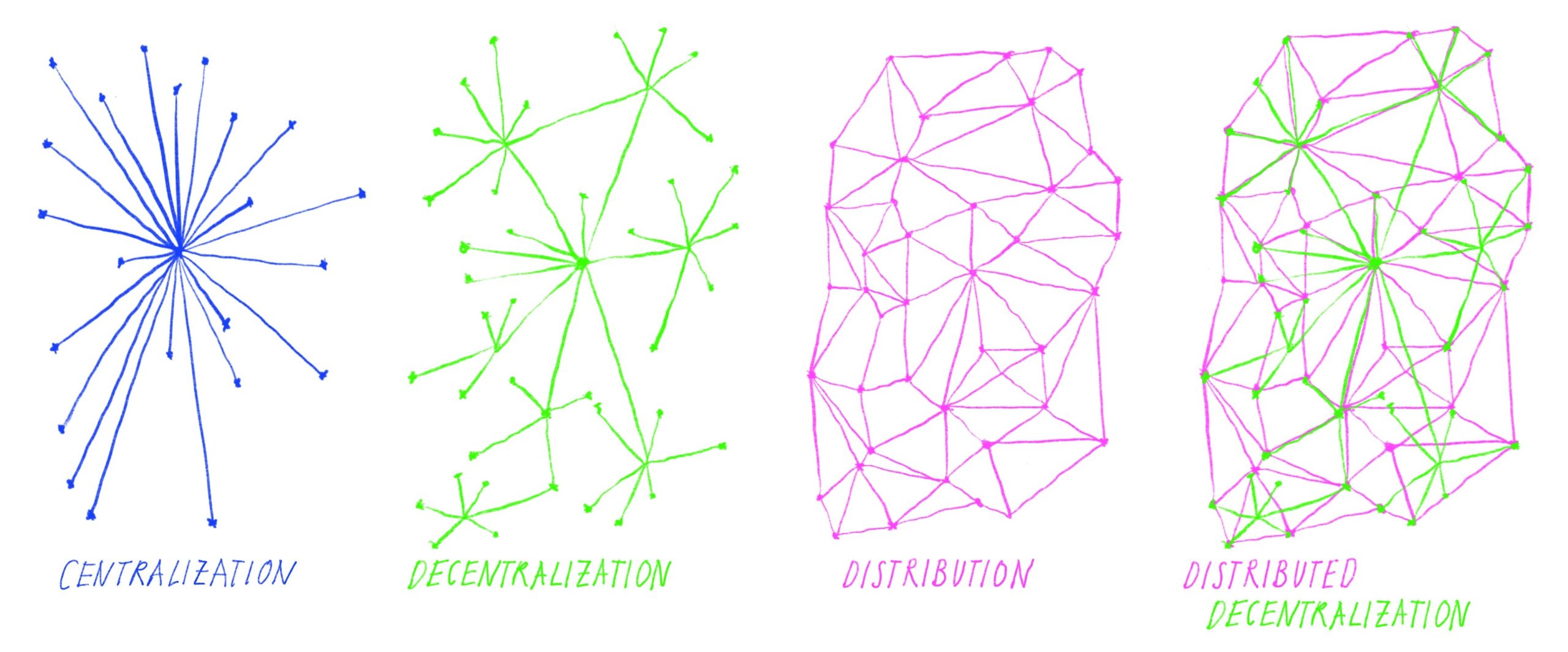
As the global energy infrastructure transitions toward decentralized, carbon-neutral grids, the complexity of managing these systems has surpassed the capabilities of traditional linear control models. We are no longer dealing with simple supply-and-demand curves; we are managing a dynamic, bidirectional ecosystem of prosumers, intermittent renewables, and edge-computing devices. The solution lies in the Verifiable Learning Sciences Algorithm (VLSA)—a framework that merges educational psychology and cognitive science principles with machine learning to create energy systems that don’t just react, but “learn” to anticipate grid stability requirements.
Why does this matter? Because a grid that cannot verify its learning path is a risk. By applying verifiable learning principles, we move away from “black-box” AI that causes system instability and toward transparent, predictable algorithmic evolution. This is how we ensure that energy systems remain resilient in the face of hyper-variability.
Key Concepts: The Intersection of Cognitive Science and Energy
The core of VLSA is the application of Scaffolding and Metacognition to algorithmic development. In learning sciences, scaffolding refers to providing the right amount of support at the right time. In energy systems, this translates to dynamic constraint optimization.
Verifiability in this context means that every state transition in the energy management system must be traceable back to a specific data-driven hypothesis. Unlike standard reinforcement learning, where an agent might reach an optimal solution through opaque trial-and-error, a VLSA-based system requires the algorithm to “explain” its optimization strategy based on pre-set safety constraints—much like a student showing their work on a complex calculus problem.
Key components include:
Feedback Loops: Real-time data streams that act as formative assessments for the grid.
Transfer Learning: Applying energy management patterns learned in one microgrid environment to another, similar setting.
Cognitive Load Balancing: Managing the computational “stress” on grid controllers to prevent latency-induced errors during peak demand.
Step-by-Step Guide: Implementing VLSA in Energy Optimization
Implementing a verifiable learning framework requires a shift from static programming to dynamic, verifiable loops. Follow these steps to integrate VLSA into your energy management architecture:
Define the Objective Function: Clearly state the primary goal (e.g., minimizing carbon intensity vs. maximizing grid reliability). This serves as your “learning goal.”
Establish Verification Constraints: Create a hard-coded “sandbox” of safety rules. The algorithm is free to optimize within this sandbox, but any deviation must trigger a fallback to a deterministic state.
Implement Formative Feedback Loops: Deploy sensors that report not just current load, but the error rate of the algorithm’s predictions. If the error exceeds a threshold, the system must trigger a “re-learning” phase.
Audit the Decision Path: Use logging mechanisms that record the “why” behind every load-shedding or distribution decision. This creates a transparent audit trail for regulators and grid operators.
Continuous Calibration: Treat the algorithm like a student. Periodically feed it “synthetic data” (simulated extreme weather events) to test its adaptability without risking real-world hardware.
Examples and Case Studies
Consider a large-scale commercial building microgrid tasked with optimizing HVAC and battery storage. Using a traditional model, the system might fail during a heatwave because it follows a rigid historical schedule. With a VLSA approach, the system treats the heatwave as a “new learning task.”
“By applying verifiable learning, the microgrid identified that its prior reliance on battery storage during mid-day was inefficient. It learned to pre-cool the building during off-peak hours based on weather telemetry, resulting in a 22% reduction in peak demand charges.”
Another real-world application is Predictive Maintenance in Wind Farms. VLSA allows the controller to correlate micro-vibrations with wear-and-tear. Instead of a fixed maintenance schedule, the system “learns” the specific degradation signature of each turbine, moving from calendar-based maintenance to condition-based maintenance, significantly increasing uptime.
Common Mistakes
Overfitting to Historical Data: Many energy models rely too heavily on the past. If the model is not “verifiable,” it may fail to adapt to the “black swan” events that are becoming increasingly common due to climate change.
Ignoring Latency Constraints: In an effort to make the algorithm “smarter,” developers often increase model complexity to a point where the computational overhead exceeds the real-time requirements of grid frequency control.
Lack of Human-in-the-Loop (HITL) Controls: Algorithms should never operate with 100% autonomy in critical infrastructure. Failing to include a manual override or a human-verified sanity check is a failure of the design, not the data.
Advanced Tips
To truly master VLSA, you must look into Reinforcement Learning with Human Feedback (RLHF). In the energy sector, this means creating an interface where grid operators can “rate” the efficiency of the algorithm’s proposed actions. Over time, the algorithm internalizes the operator’s expertise, blending raw data performance with institutional knowledge.
Furthermore, consider Federated Learning. Instead of sending all your grid data to a central server (which creates a security vulnerability), allow the edge devices (smart meters, inverters) to perform local learning. Only the “lessons learned”—the refined optimization weights—are sent to the central controller. This keeps the system decentralized, faster, and more robust against cyberattacks.
Conclusion
The Verifiable Learning Sciences Algorithm is more than a technical upgrade; it is a fundamental shift in how we conceive of energy systems. By treating the grid as a learning entity—one that is verifiable, transparent, and adaptive—we can build infrastructure that is not only more efficient but inherently more stable. The future of energy is not just about smarter hardware; it is about smarter, more verifiable decision-making processes. Start by auditing your current control systems for transparency, and gradually integrate these learning cycles to ensure your infrastructure is ready for the challenges of tomorrow.


Leave a Reply