Urban Design and Nature: The Hidden Constraint on Operational Success
— by
Steven Haynes
{
“title”: “Urban Design and Nature: The Hidden Constraint on Operational Success”,
“meta_description”: “Urban design isn’t just aesthetic; it’s an operational framework. Learn how the friction between nature and infrastructure dictates long-term organizational success.”,
“tags”: [“urban planning”, “operational strategy”, “infrastructure design”, “systems thinking”, “sustainability”, “leadership”],
“categories”: [“Business”, “Technology”],
“body”: “
The Infrastructure Fallacy
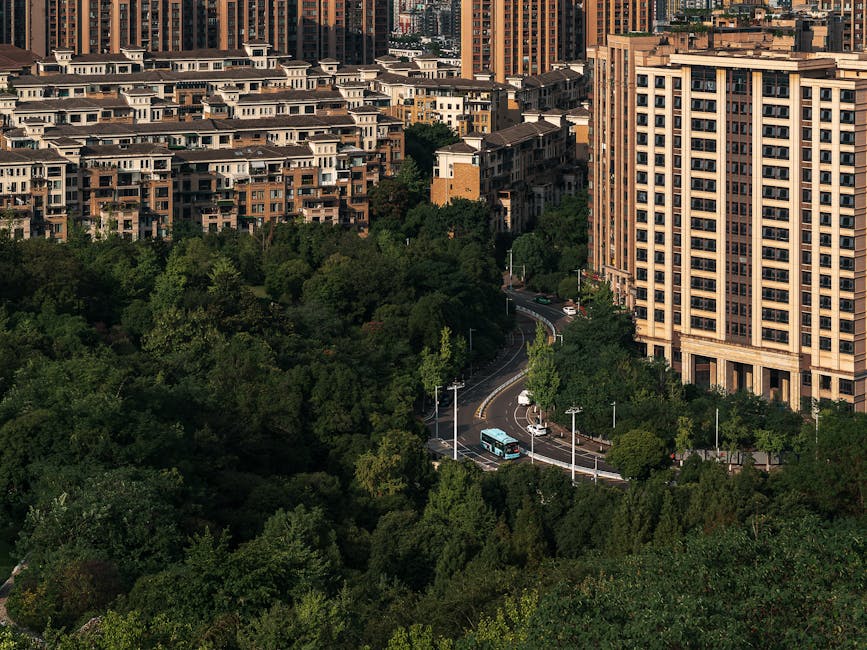
Most urban planning assumes that nature is a static backdrop, a set of aesthetics to be manicured rather than a dynamic system to be integrated. This is a critical failure in strategic thinking. When leaders and designers treat the environment as an externality, they build systems prone to catastrophic failure. True operational excellence requires viewing the city not as a machine that sits upon the land, but as an organism that must function within the biological constraints of its geography.
The Cost of Environmental Friction
Traditional urbanism relies on a philosophy of conquest—draining wetlands, hardening shorelines, and insulating structures from weather patterns. These choices impose a perpetual maintenance debt. Every time an extreme weather event occurs, it exposes the lack of foresight in these designs. For the high-performance leader, this mirrors poor execution: attempting to override reality with brute force rather than aligning with the underlying mechanics of the system.
Ignoring geological and ecological signals leads to diminishing returns. When you build against the grain of the local ecosystem, your operating costs for cooling, flood mitigation, and waste management scale non-linearly. Leaders who understand systems theory recognize that the most efficient urban designs minimize friction by utilizing natural drainage, passive temperature regulation, and adaptive infrastructure that absorbs shocks rather than shattering under pressure.
Designing for Adaptive Capacity
Successful urban integration requires a shift from static design to adaptive, modular frameworks. In the same way that a high-growth company needs operational agility, our cities must allow for systemic fluctuations. This means moving toward permeable surfaces, green corridors that regulate heat islands, and decentralized power structures that can survive localized failures.
The most resilient systems do not prevent change; they account for it. When we design urban centers that mimic the resilience of natural ecosystems, we create environments that actually improve with stress, rather than degrading.
This is not merely an environmental concern; it is a fundamental challenge of decision-making. How we structure the space between our buildings defines our long-term viability. When urban design ignores the natural environment, it creates a fragile equilibrium that demands constant, costly intervention. By shifting our perspective, we can turn the environment from a liability into a high-performance asset.
The Leadership Mandate
Modern developers and civic leaders must adopt a mindset of steward-operator. Your urban footprint is a long-term asset class, and its relationship to the geography is a primary driver of risk or stability. For more insights on building sustainable organizational frameworks, visit The BossMind Platform, where we analyze the intersection of structure and long-term viability. You can also explore additional resources for systems architecture at The BossMind Info Portal to better understand how complex environments interact with human intent.


Leave a Reply