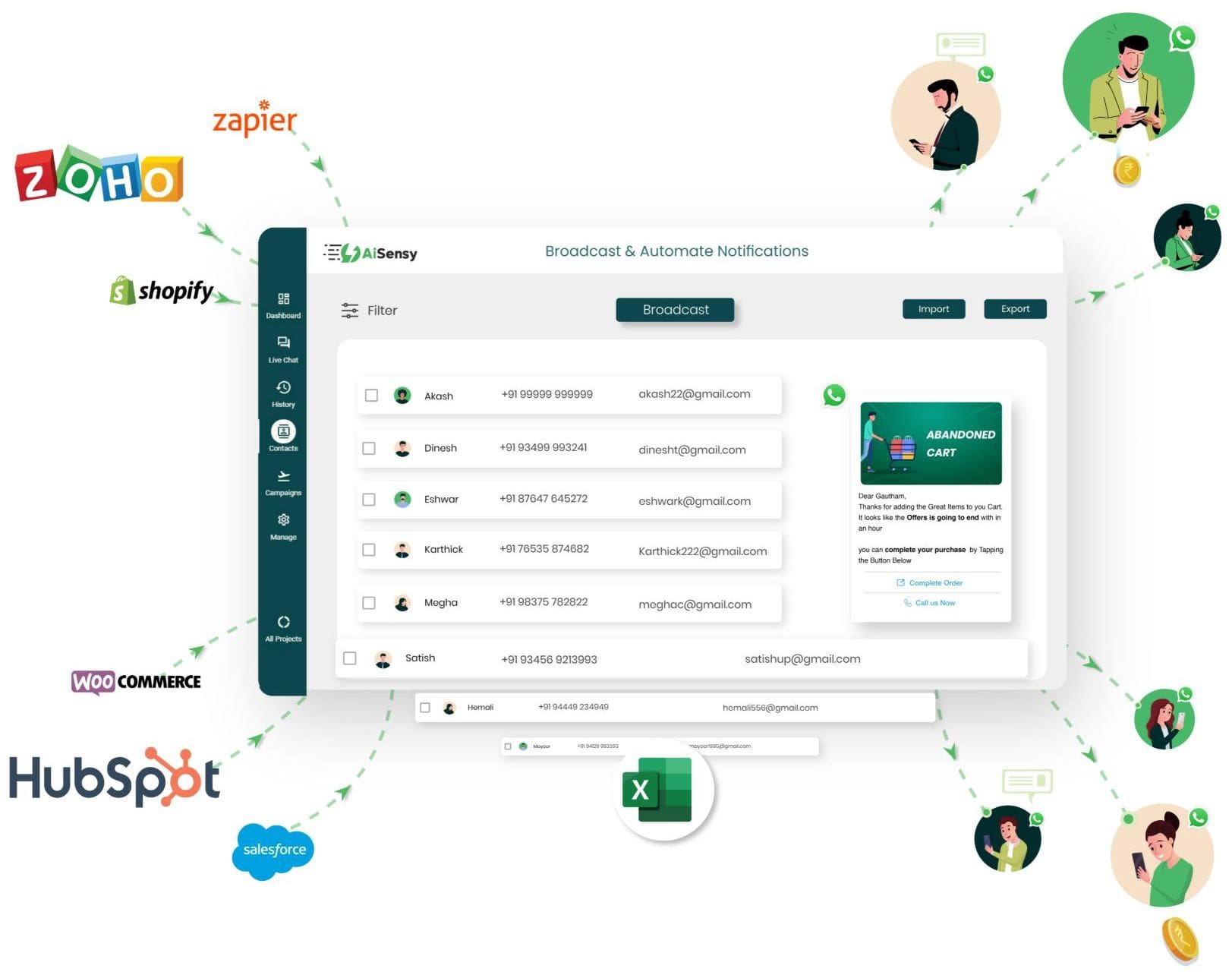
In the quest for efficiency, we have become curators of a digital gallery. We pride ourselves on the ‘perfect’ stack: an automated CRM, a top-tier project management suite, a cutting-edge analytics engine, and a proprietary communication layer. We treat our tech stack like a competitive moat, believing that if our tools are better than our competitors’, our output will be too.
But there is a dangerous, often overlooked byproduct of this curation: Institutional Tool-Dependency.
The Trap of Vendor-Defined Logic
When you rely on a ‘best-in-class’ tool, you are not just paying for a feature set; you are adopting the vendor’s internal philosophy of how work should be done. Every piece of SaaS comes with an opinionated workflow. By adopting these tools, you outsource your operational strategy to a software engineer in Silicon Valley who doesn’t understand your company’s nuance.
This creates a ‘Tool-Agnostic Gap.’ When a team relies too heavily on the specific interface or automation triggers of a third-party app, they lose the ability to articulate their processes in plain language. If your workflow is ‘Drag the ticket from column A to column B in Jira,’ you have mistaken a UI interaction for an operational strategy.
The Principle of Operational Portability
True competitive advantage lives in your logic, not your interface. The most resilient organizations practice Tool-Agnosticism. This means designing processes that exist independently of the software currently housing them. Before you configure a new integration, ask yourself: ‘If this software went bankrupt tomorrow, could my team still execute this workflow using a shared document and a Slack channel?’
If the answer is no, your process is not optimized—it is tethered. You have built a dependency that prevents you from pivoting, scaling, or simplifying, because you are shackled to a vendor’s proprietary environment.
The Move to ‘Software-as-a-Utility’
To break free from this cycle, adopt a ‘Utility Mindset’ regarding your stack:
Abstract Your Logic: Document your workflows in plain language first. If you cannot describe the process on a whiteboard without mentioning a specific software button or tab, your process is not clearly defined.
Favor Malleability Over Features: Move away from specialized tools that do one thing perfectly and toward ‘Canvas’ tools—databases, whiteboarding apps, and flexible document repositories. These act as the bedrock upon which you build custom, portable logic.
The 30-Day Audit: Every month, identify one tool that has become an ‘opinionated cage.’ Force a team to complete a subset of their work without it. This isn’t just a cost-saving measure; it’s a stress test for your team’s fundamental understanding of their own work.
The Strategic Shift
The goal is to reach a state of Operational Sovereignty. In this state, your tech stack is a commodity you swap out at will, not an ecosystem you are captive to. The companies that will dominate the next decade aren’t the ones with the most expensive dashboards; they are the ones whose teams understand their work so deeply that the software becomes an afterthought.
Stop building your strategy inside your tools. Start building it above them.
Discover how foundation models and control policies are shaping the future of spatial computing and XR hardware. Master the architectural battle for reality.
Contents * Introduction: The intersection of automation and digital discourse; why automated proselytizing undermines community health. * Key Concepts: Defining…
Learn how to master human-AI artistic synthesis by bridging intent with algorithmic interpretation to create unique, high-quality digital art and visual media.
Explore the future of AI through Self-Evolving Programmable Biology (SEPB). Learn how synthetic genomics and bio-hybrid architecture are replacing silicon chips.