The Somatic Trap: Why Your Productivity Hacks Are Actually Hardening Your Ceiling
— by
Steven Haynes
In the relentless pursuit of high-performance output, the modern executive has become a master of the external environment. We track our sleep with wearables, optimize our deep work with time-blocking, and curate our cognitive load with sophisticated AI-driven workflows. Yet, there is a dangerous paradox emerging in the C-suite: the more we attempt to engineer our productivity, the more we entrench the physical rigidity that sabotages it.
The Mirage of Behavioral Optimization
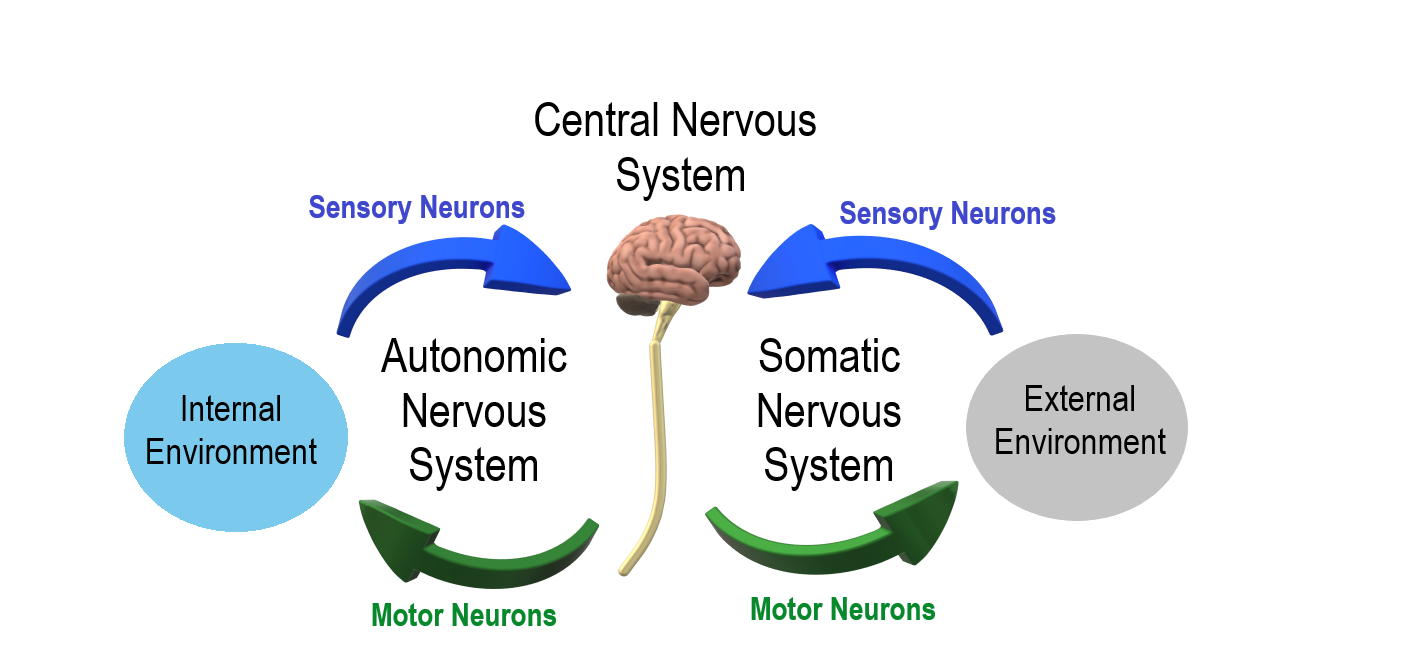
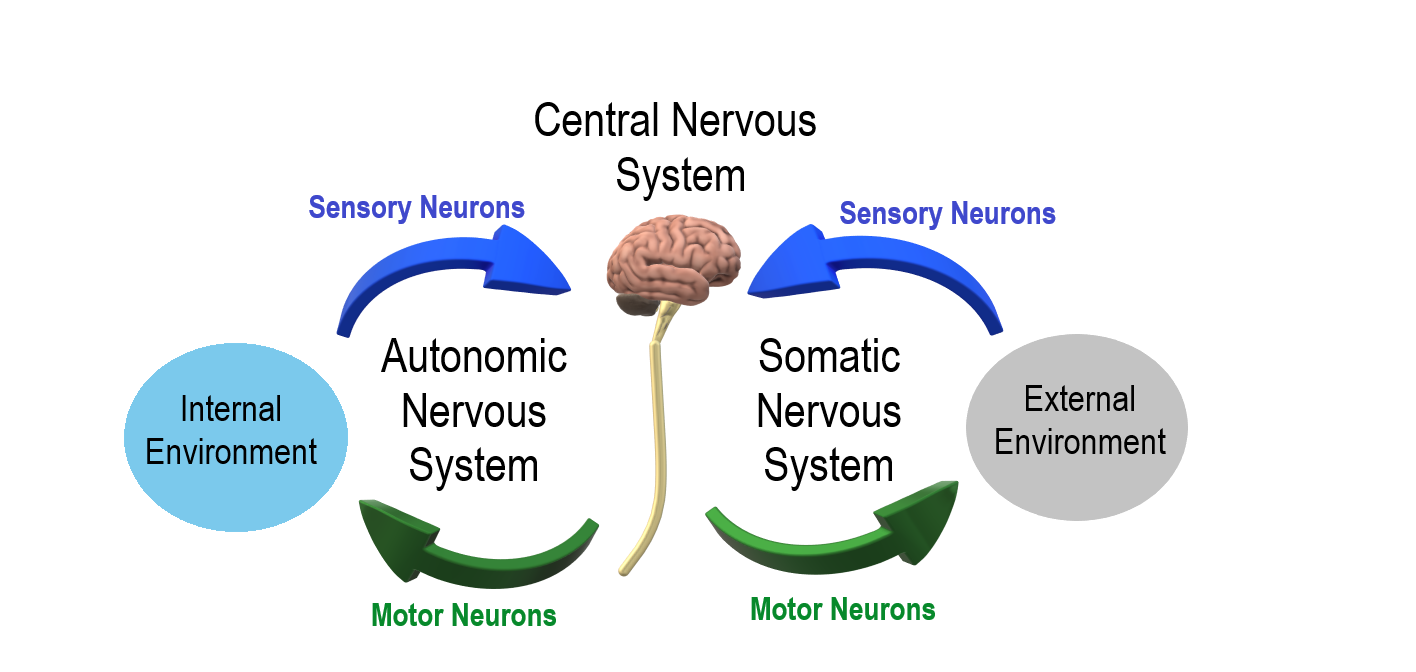
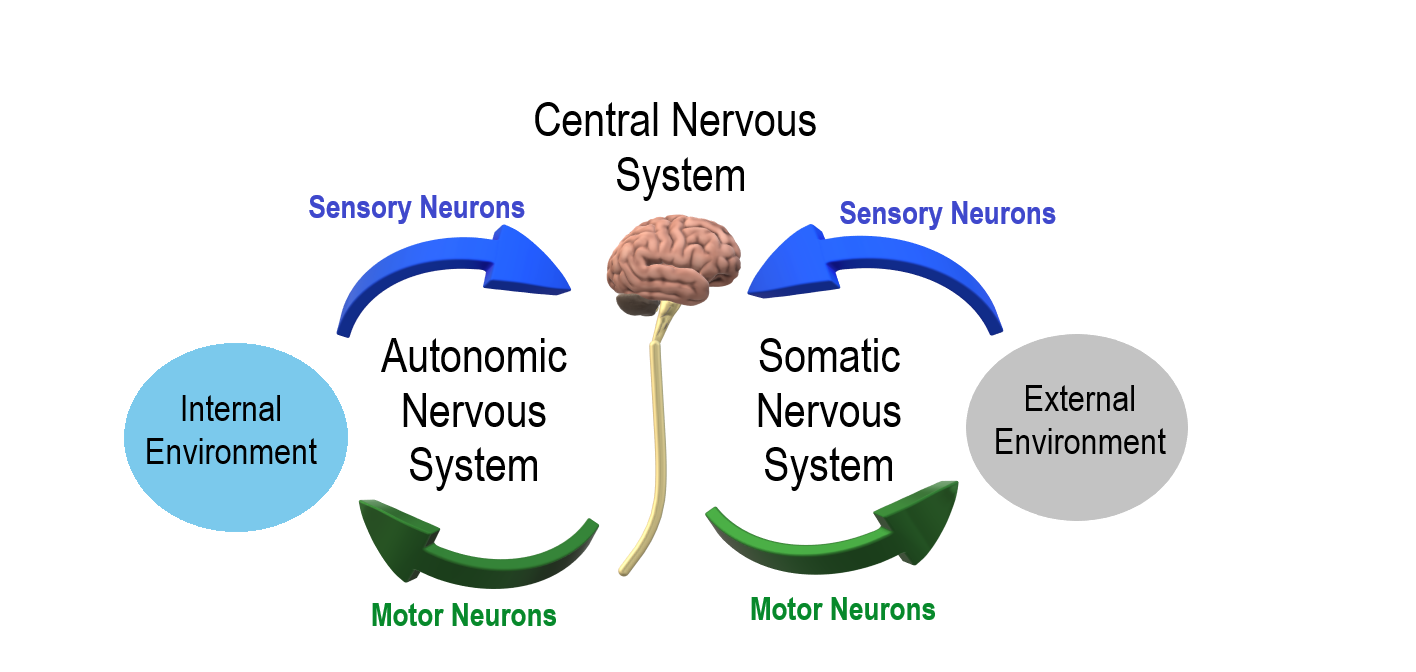
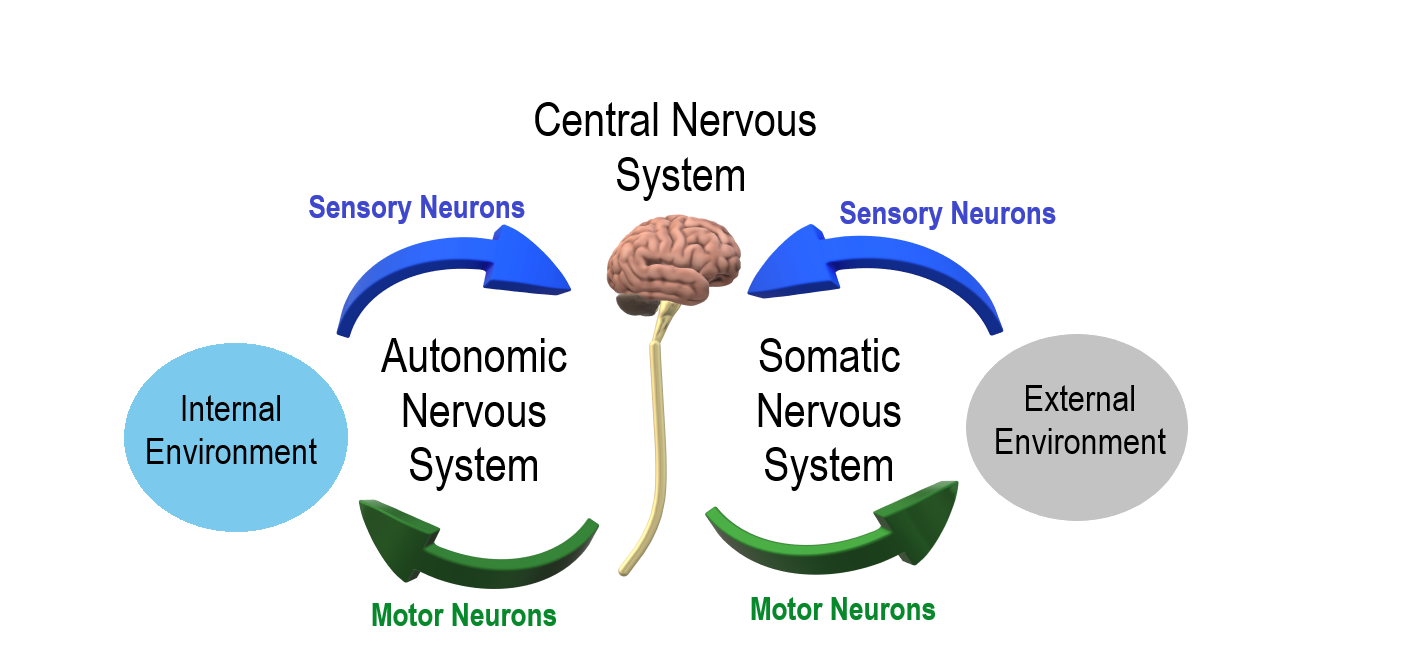
Most productivity literature focuses on the ‘what’ and the ‘how’ of tasks. We assume that if we improve our systems, our output must scale linearly. This ignores the reality of the somatic feedback loop. Every time you push through a ‘gut feeling’ that something is wrong, ignore a building tension in your neck, or ‘push through’ the exhaustion of a twelve-hour negotiation, you are literally programming your nervous system to associate peak output with physical trauma.
We call these ‘productivity hacks.’ Your physiology calls them ‘survival protocols.’ Over time, you aren’t just working harder; you are hard-wiring your body to stay in a permanent state of fight-or-flight, even when you are sitting in a quiet, climate-controlled office.
The Contrarian Reality: Stop Trying to ‘Relax’
There is a prevailing myth that the antidote to high-stakes stress is ‘relaxation.’ Executives are told to meditate, take retreats, or practice deep breathing. While these are noble, they are often insufficient for the high-functioning professional because they don’t address the structural nature of somatic armor.
If you are a high-stakes decision-maker, your body has been trained to hold tension to keep you ‘alert.’ Simply telling that nervous system to ‘relax’ is akin to telling a soldier on the front lines to put down their weapon because it’s a Tuesday. The nervous system doesn’t trust the environment. It interprets the request to relax as a vulnerability. To achieve true agility, you must move beyond the passive concept of relaxation and embrace a concept I call Somatic Engineering.
Engineering Your Biological Hardware
Somatic engineering isn’t about clearing your mind; it is about reclaiming your range of motion—both physical and mental. When you are ‘bracing,’ you are operating at a narrow bandwidth. You cannot access your full cognitive capacity because a portion of your brain’s computational power is diverted to managing that internal bracing.
The Cost of Bracing: When your jaw is clenched or your diaphragm is restricted, your brain receives a constant stream of sensory input signaling ‘threat.’ This consumes glucose and neurotransmitters that should be dedicated to lateral thinking, empathy, and pattern recognition.
The Decoupling Strategy: You don’t need a yoga retreat; you need to map your physical constraints against your work milestones. If you feel a specific type of ‘anxiety’ when closing a deal, recognize that this is a physical shorthand—a muscular habit—not an intuition about the market.
Three Moves to Break the Pattern
To stop sabotaging your own performance, treat your body like an unoptimized piece of legacy infrastructure:
Identify the Trigger-Tension Pair: Start a log. Don’t track your tasks; track your physical response to them. Note which professional scenarios trigger specific muscular holding patterns. Is it the board meeting? The technical review? The Sunday evening email check?
Voluntary Volition: When you feel the stress-tension onset, do not try to suppress it. Instead, lean into it. By consciously choosing to intensify the tension for ten seconds, you move the behavior from the involuntary, survival-based amygdala to the conscious, analytical cortex. You take ownership of the reflex.
Redefine ‘Focus’: Train yourself to perform the task while explicitly scanning for—and releasing—the tension you just identified. If you can hold the same level of focus while your body is neutral, you have successfully decoupled your performance from your physiological defense mechanisms.
The Final Take: You are not a machine. You are a biological system designed to survive, and modern work feels like a predator stalking you. Unless you actively intervene to decouple your professional performance from your biological survival mechanisms, you will continue to operate with a self-imposed ceiling. Stop managing your time; start managing your architecture.


Leave a Reply