The Somatic Strategy: Why Your ‘Default Mode Network’ is Being Sabotaged by Your Desk
— by
Steven Haynes
In the previous installment of our exploration into neuromuscular efficiency, we discussed the Feldenkrais Method as a tool for bandwidth optimization. However, there is a dangerous trap that many high-performers fall into: they attempt to use somatic practice as a corrective tool rather than a predictive one.
We often treat our posture and tension as things to be ‘fixed’ at the end of the day. This is a fatal strategic error. In the world of high-stakes decision-making, physical tension is not just an injury risk—it is a neurological feedback loop that reinforces your cognitive biases.
The Bias of the Braced Body
Cognitive rigidity is rarely just a psychological trait. In a state of chronic, low-level ‘bracing’—clenched glutes, rigid lumbar, held breath—your nervous system is effectively running a continuous ‘fight or flight’ simulation. While your prefrontal cortex is trying to analyze a complex spreadsheet or negotiate a merger, your brainstem is processing a persistent, phantom threat signal.
This creates Somatic Anchoring: your brain associates the physical state of tension with the intellectual problem you are trying to solve. When you are physically ‘stuck,’ you become mentally ‘stuck.’ You literally cannot think outside the box because your sensory-motor cortex is locked in a box of its own creation.
Beyond Correction: The ‘Flow-State’ Override
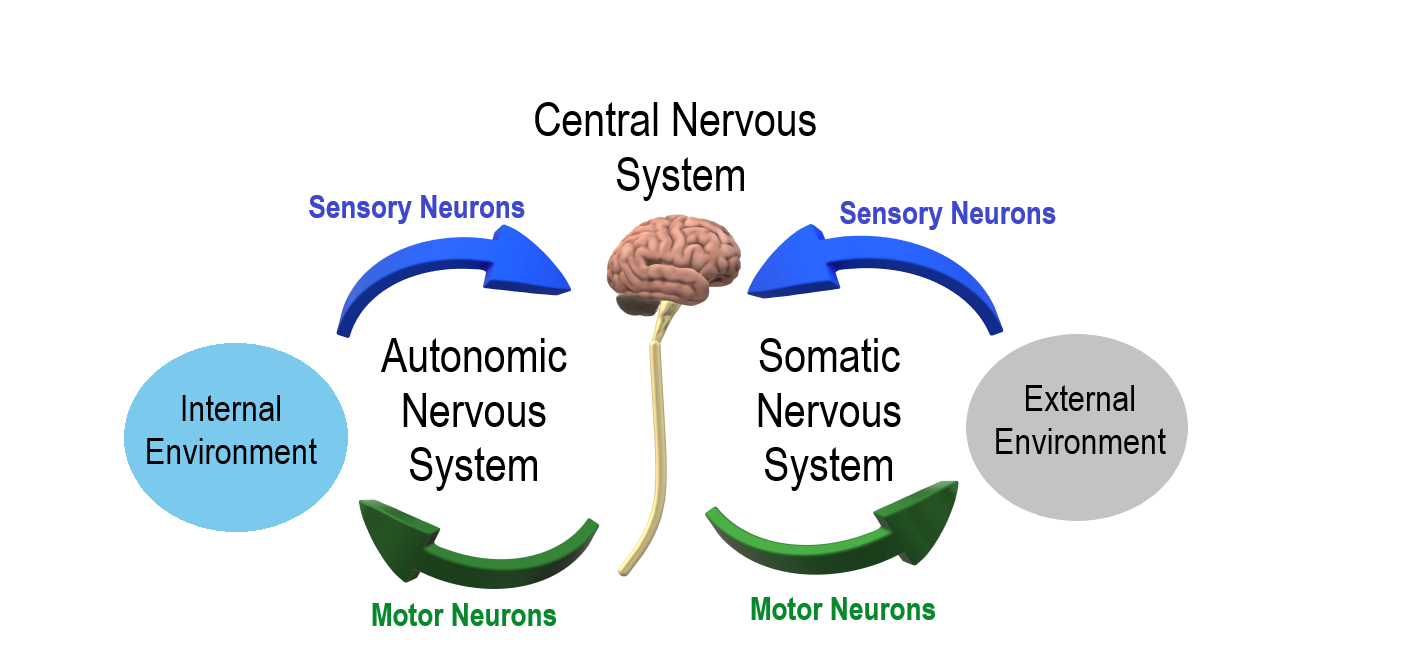
The contrarian view here is that you shouldn’t be trying to ‘fix’ your posture. Trying to sit up straight using willpower is an exercise in futility that introduces more parasitic tension. Instead, you must learn to manipulate your internal environment to override the Default Mode Network (DMN), which is responsible for rumination and the ‘wandering’ mind that kills deep work.
When you use Feldenkrais-inspired micro-movements during a task, you aren’t just ‘stretching.’ You are effectively interrupting the DMN. By introducing novel, gentle movement patterns while engaging in a cognitive task, you force your brain to switch from ‘Auto-Pilot Mode’ (the habitual loop) to ‘Discovery Mode’ (active, real-time learning).
The Strategic Application: The ‘Movement-Triggered’ Pivot
If you find yourself hitting a wall during a complex project, stop trying to power through it. The ‘push-through’ mentality is exactly what degrades your neuro-efficiency. Try this strategic application instead:
1. The Disruption Signal: Identify the specific physical ‘signature’ of your stress. For many, this is a slight lift of the shoulders or a locking of the jaw. Do not attempt to fix it. Instead, lean into it—exaggerate it slightly—to bring it into conscious awareness.
2. Decoupling the Association: Once the tension is conscious, perform a ‘counter-movement.’ If your shoulders are hiked, slowly tilt your head away from the tension while softening your eyes. This signals to your nervous system that you are in control, not the stressor.
3. The Shift in Perspective: Now, return to the problem at hand. By changing your physical configuration, you have physically altered the brain’s internal map. You will often find that a new angle on the problem suddenly emerges. This isn’t magic; it is simply removing the physical filter that was distorting your perception.
The Boss Mindset: Somatic Agility as a Moat
Your competition is spending their resources on better software and faster servers, all while their internal human hardware is running with 20% latency due to unconscious physical bracing. When you master the ability to stay physically fluid under extreme intellectual load, you don’t just gain an efficiency edge—you gain a competitive moat.
Stop thinking of your body as the vessel for your brain. Think of it as the primary processor. If the hardware is brittle, the software cannot run at scale. Optimize the architecture, and the cognitive output will follow.


Leave a Reply