The Somatic Strategy: Why Your Cognitive Bottleneck is Actually a Physical One
— by
Steven Haynes
In the high-stakes environment of thebossmind.com, we talk incessantly about mental models, decision-making frameworks, and strategic leverage. But there is a silent saboteur that renders the most brilliant strategies useless: the Somatic Mismatch.
The Somatic Mismatch: When Intellect Outpaces Physiology
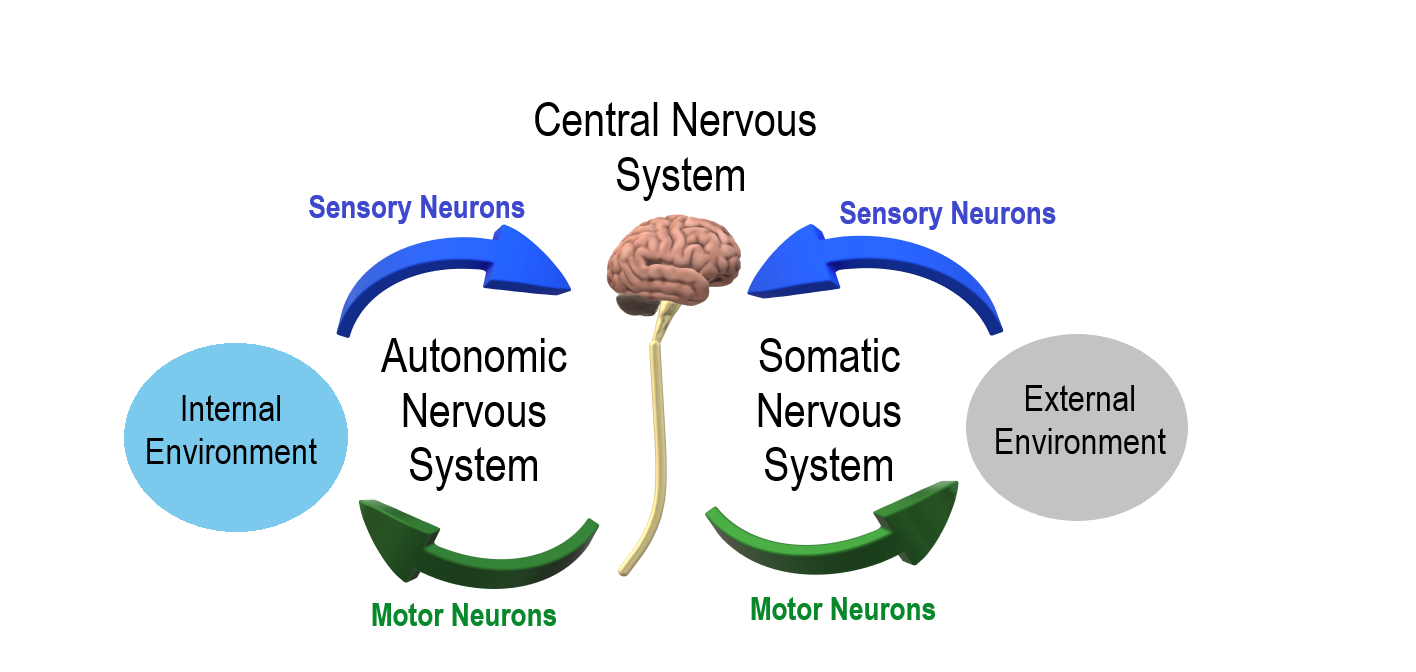
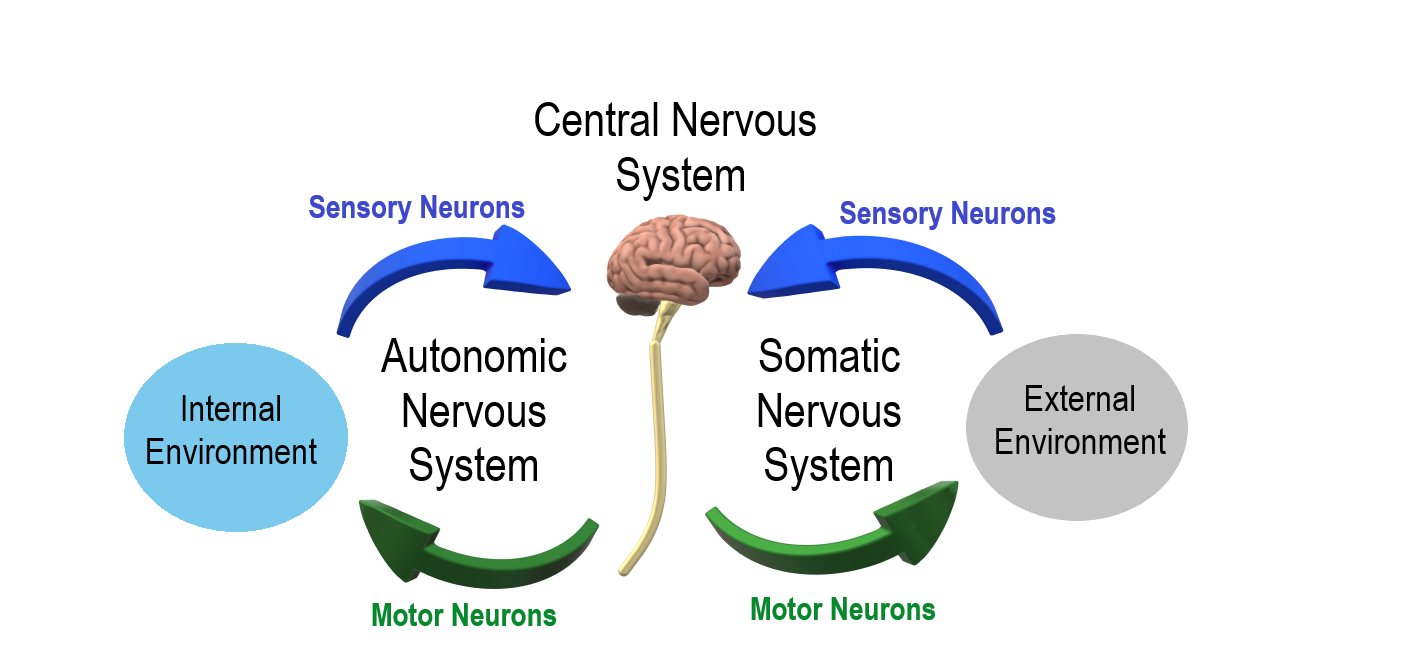
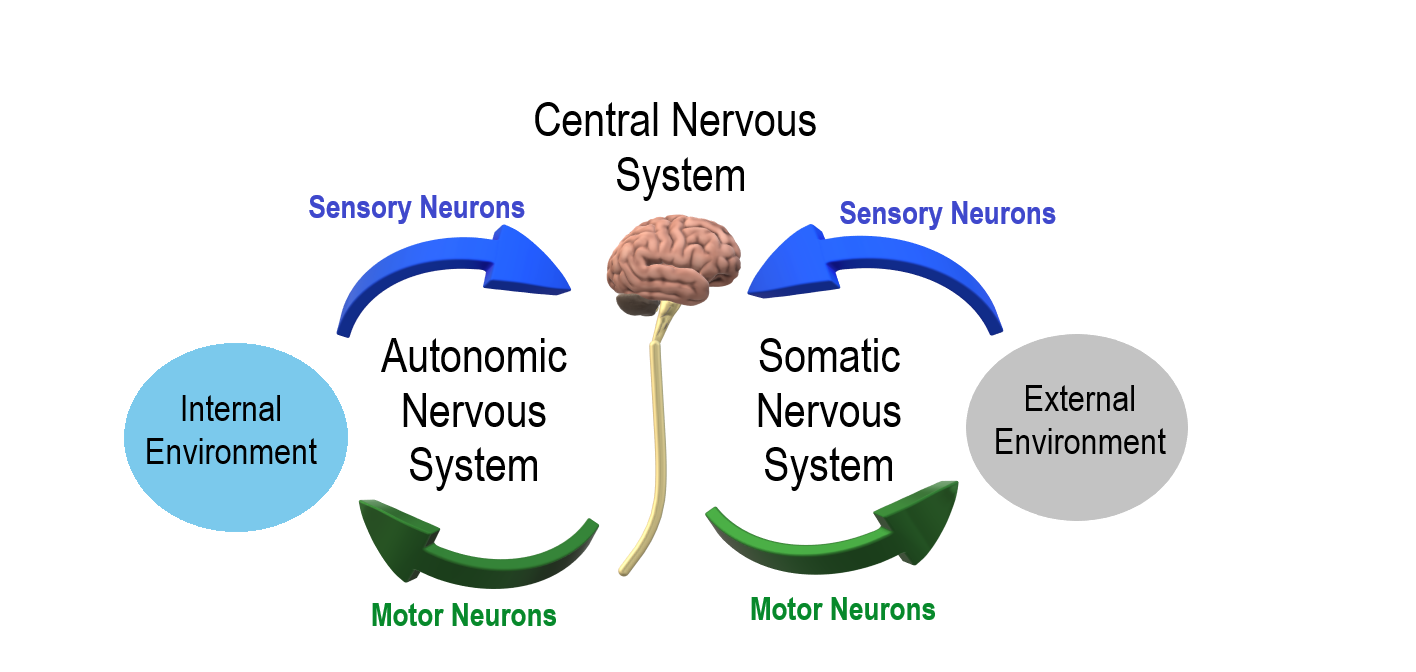
We train our minds to function like high-frequency trading algorithms, yet we inhabit bodies that have not evolved to sustain that pace. As a leader, your capacity for high-level synthesis, risk assessment, and vision isn’t just a byproduct of your education; it is a manifestation of your neuro-physical state. When you operate under chronic stress, your nervous system initiates a biological shutdown. You don’t feel it as an injury; you feel it as a decline in intellectual fluidity.
While Shiatsu is an elite tool for resetting the nervous system, many leaders fall into the trap of using it as a “patch” rather than an integrated component of their operating system. To achieve true high-performance sovereignty, you must move beyond the treatment table and into the realm of Somatic Literacy.
The “Bottom-Up” Leadership Architecture
Most executive coaching focuses on “top-down” management—controlling your thoughts to influence your output. But true elite performance requires a “bottom-up” approach. If your body is in a state of sympathetic override, your prefrontal cortex is effectively starved of the energy required for complex problem-solving. This isn’t a personality flaw; it is a physiological constraint.
By cultivating somatic literacy, you learn to detect the early warning signs of nervous system dysregulation—the subtle jaw clenching during a pitch, the restricted breathing during a difficult negotiation, or the localized tension in the psoas—long before they manifest as decision fatigue or burnout. Using tools like Shiatsu or targeted mobility work is not just about recovery; it’s about bio-auditing your infrastructure.
The Bossmind Protocol: 3 Ways to Integrate Somatic Awareness
If you aren’t integrating your physical state into your strategic workflow, you are leaving performance on the table. Here is how to evolve your practice:
1. Map Your Stress-Signatures: Keep a 48-hour log of your physical sensations during work. Where do you hold tension during high-stakes tasks? If you notice tension in the neck, you are likely operating from a place of “defensive intellect.” If it’s in the hips, you are experiencing “flight” activation. Identify your signature so you can proactively address it through targeted Shiatsu or breath-work.
2. Decouple “Action” from “Tension”: High-performance leaders often conflate intensity with physical effort. Train yourself to execute high-value work while keeping the peripheral musculature (jaw, shoulders, hands) at baseline. This is the art of “Relaxed Power,” a concept used by elite athletes but rarely by CEOs.
3. The Post-Negotiation Flush: After any high-stakes event, your body remains in a sympathetic state for hours. Treat this like an athlete treats a post-game cool down. Engage in 5–10 minutes of nervous system regulation—not scrolling, not checking emails—but deliberate grounding. A Shiatsu session on the day following a heavy quarter is your reset switch.
The Contrarian Reality: Don’t “Fix” Yourself, Re-Design the Flow
Stop viewing your fatigue as a hurdle to be jumped over with more caffeine or willpower. View it as market feedback from your biological machine. Your body is telling you that your current way of operating is unsustainable. Using Shiatsu and somatic techniques isn’t about “fixing” your sore back—it’s about optimizing the hardware that runs your software. If you aren’t intentional about your somatic health, you are essentially trying to run high-end AI on hardware from 1995. Eventually, the system crashes.
True, lasting leadership is not just about the quality of your decisions—it’s about the durability of the vessel that makes them.


Leave a Reply