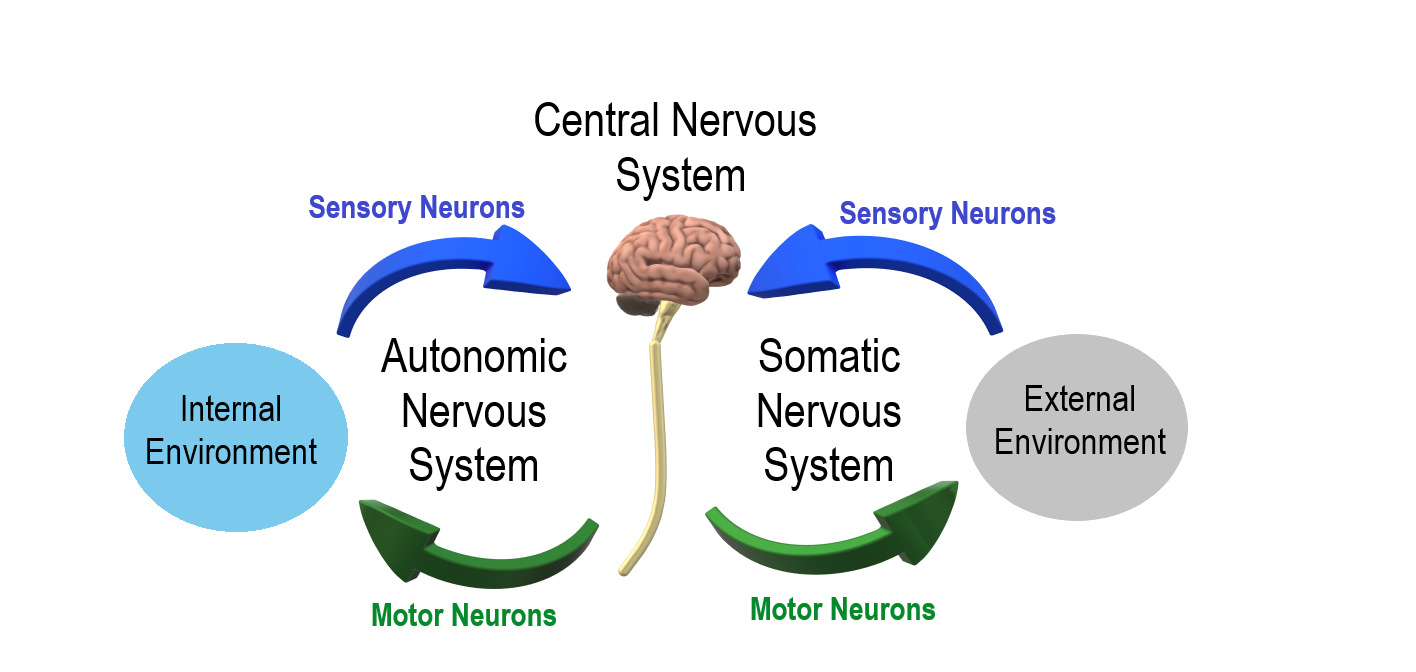
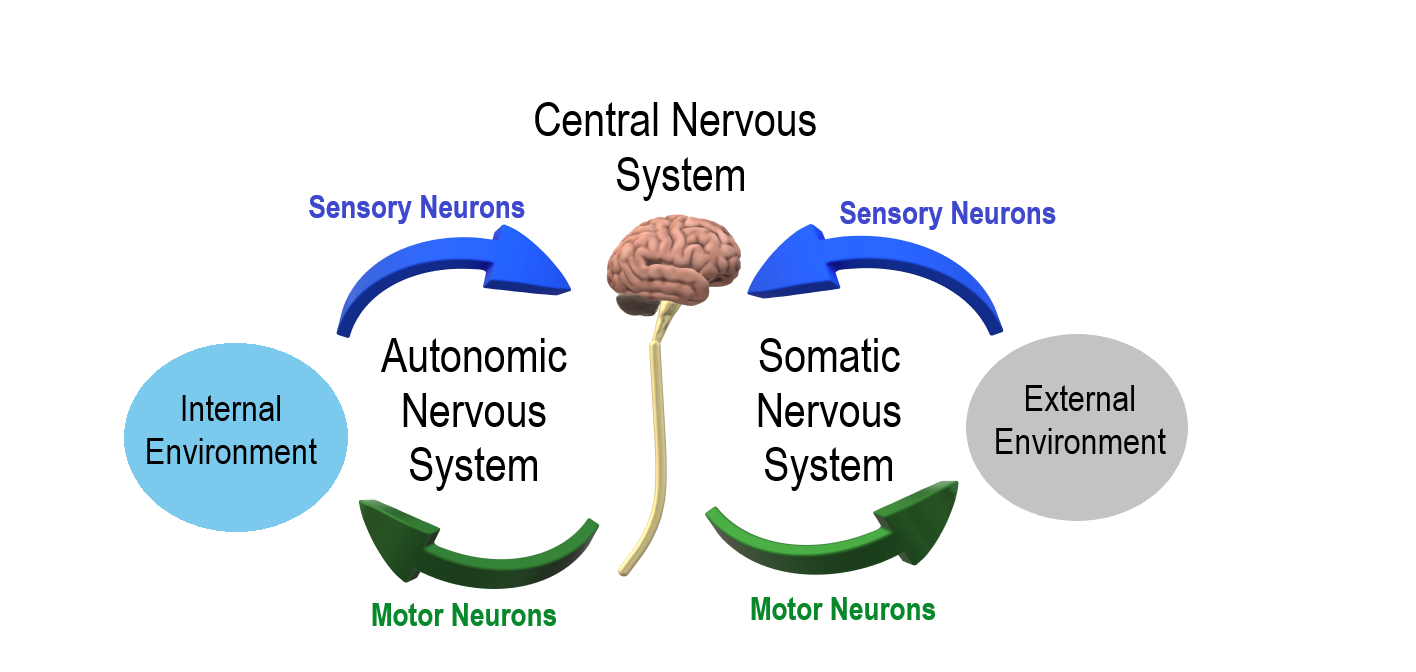
We live in the era of the ‘Cognitive Athlete.’ We optimize for flow states, track our HRV, and spend thousands on nootropics to shave milliseconds off our reaction times. Yet, in our pursuit of mental supremacy, we’ve fallen for a dangerous fallacy: the idea that the brain is a processor running on a body, rather than a system integrated with a body. If you are struggling with a plateau in your decision-making or a stagnation in your creative output, you aren’t suffering from a lack of intellect. You are suffering from a lack of physical variance.
The Innovation Paradox: Why Movement Breeds Breakthroughs
Innovation is rarely a product of logical deduction; it is an act of pattern disruption. In business, we attempt to disrupt patterns through brainstorming sessions, off-sites, and consultants. But if your physical container is static—if you spend 12 hours a day locked into a singular, habitual ergonomic configuration—your neurological pathways are literally tethered to your physical status quo. Neuroplasticity isn’t just an abstract concept; it is fueled by novel sensory input. When your physical range of motion shrinks, your cognitive ‘search radius’ shrinks with it.
The Contrarian Take: Stop ‘Fixing’ Your Posture
Most corporate wellness programs focus on the ‘perfect’ ergonomic setup. They want you sitting perfectly upright, monitor at eye level, ergonomic chair adjusted to the millimeter. This is a trap. The goal of high-performance isn’t ‘proper’ posture; it is postural agility. The danger isn’t the slouch; the danger is the permanent slouch. By enforcing a rigid, ‘correct’ way to sit, you are essentially training your nervous system to stay locked in a single, energy-draining pattern. You are building a prison of efficiency.
The Somatic Loophole for Complex Problem Solving
High-level chess players and poker pros have long known what entrepreneurs are just beginning to realize: your physical state acts as a governor on your risk tolerance. When you are physically ‘braced’—tight shoulders, shallow breath, clenched jaw—your nervous system is in a state of sympathetic arousal. Your brain interprets this physical tension as a threat environment. In a threat environment, your brain does not seek innovation; it seeks survival. It reverts to heuristics, safe bets, and short-term thinking.
To bypass this, you need to initiate a Somatic Override:
Sensory De-cluttering: Before a high-stakes meeting, don’t review your notes. Review your tension. If you are holding effort in your glutes or your tongue while trying to negotiate, you are leaking energy. Consciously release those ‘background processes’ to free up bandwidth for the cognitive load ahead.
Erratic Motion as Strategy: If you find yourself in a ‘think-trap’—a problem you cannot solve—change your plane of movement. If you’ve been sitting, stand. If you’ve been walking, sit and cross your legs in an unconventional way. By forcing your body into a position that feels ‘foreign,’ you force your nervous system to re-map, which often provides the neural nudge required to view a business problem from a new angle.
Beyond the Desk: Somatic Leadership
True executive presence isn’t about confidence; it’s about the absence of unconscious interference. A leader who is physically ‘fluid’ communicates safety to their team. When you aren’t unconsciously braced, your non-verbal signaling is congruent with your message. You become more resonant, more persuasive, and significantly more resilient to the inevitable volatility of the market.
Stop trying to ‘optimize’ your body to be a more efficient chair-sitter. Start treating your physical movement as the primary lever for cognitive expansion. If you want to out-think your competition, you must first learn how to move differently than they do.