The Somatic Ceiling: Why Executives Must Outsource Their Nervous System Regulation
— by
Steven Haynes
In the high-stakes world of executive performance, we treat the mind like a high-performance computer, constantly upgrading our software with mental models and cognitive frameworks. We track our sleep, we optimize our macros, and we monitor our HRV. Yet, we are hitting a somatic ceiling—a hard limit on how much high-intensity stress a human body can process before it begins to degrade performance.
The Executive’s Somatic Ceiling
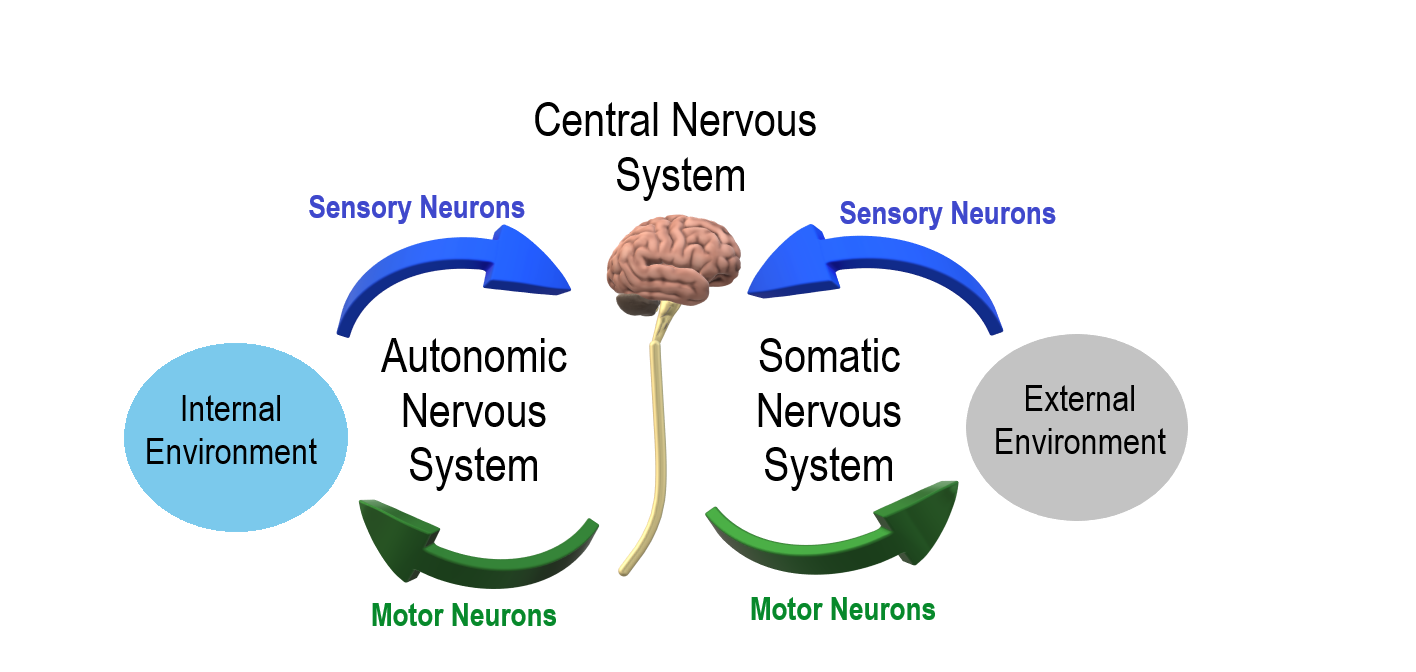
The fallacy of the modern entrepreneur is the belief that willpower is a substitute for nervous system regulation. We think we can ‘think’ our way out of burnout. We use meditation apps to try and ‘reset’ our brains, but the brain is an unreliable narrator when the body is in a state of chronic sympathetic overdrive. When the fascia is locked, the vagus nerve is effectively muted. You are not just ‘stressed’; you are physically braced against your own life.
Beyond Self-Regulation: The Case for Somatic Outsourcing
The most dangerous habit of the elite performer is the belief in self-reliance. We believe that if we can’t regulate our own state—through breathing or willpower—we are somehow failing. This is a misunderstanding of human biology. Your nervous system is designed to be co-regulated. Just as you outsource your legal, financial, and strategic operations to experts, you must outsource your autonomic regulation.
You cannot effectively ‘self-massage’ your own suboccipitals or release your own psoas with the same efficacy as a skilled practitioner. The act of receiving touch requires you to relinquish control—the very thing an executive is trained to never do. This surrender is not a sign of weakness; it is a high-bandwidth diagnostic and repair process that your brain cannot perform on its own.
The “Co-Regulation” Advantage
In the field of polyvagal theory, the concept of co-regulation is the ability to use the nervous system of another to stabilize your own. When you enter a high-pressure boardroom, your nervous system scans the room for safety or threat. If you are perpetually in a state of high-cortisol output, you become a ‘threat-detecting machine’ rather than a ‘solution-oriented leader.’
By integrating professional, structural bodywork into your weekly cadence, you are essentially ‘borrowing’ the calm, regulated nervous system of a practitioner to recalibrate your own. You are training your body to recognize a ‘neutral’ state, allowing you to return to the office not just relaxed, but biologically recalibrated for precision.
Moving from Maintenance to Somatic Strategy
To break through the somatic ceiling, stop viewing bodywork as a recovery tool and start viewing it as a tactical advantage in situational awareness. Consider the following shifts:
The ‘Pre-Game’ Neural Prime: Instead of getting bodywork after the deal is done, experiment with a targeted, 30-minute structural session before high-stakes negotiations. Releasing the physical bracing patterns in the diaphragm and neck allows for greater oxygen uptake and improved ‘executive presence’—you literally look and act more composed because your biology isn’t fighting itself.
The Tactile Feedback Loop: Use your post-session biometric data to map how different types of touch impact your HRV. Are you a ‘deep tissue’ responder or a ‘craniosacral’ responder? Treating your touch interventions as a data-backed experiment allows you to isolate which physiological inputs yield the highest ROI for your unique nervous system.
Physical Sovereignty: Stop asking for ‘a massage.’ Start instructing your practitioner on your physiological goals: ‘I need to downregulate my sympathetic drive to prepare for a high-intensity week.’ Treating your practitioner as a member of your performance team—not a spa service—changes the quality of the intervention.
The Bottom Line
If your body is your primary instrument, why are you the only one responsible for tuning it? The elite executive knows that true performance isn’t about pushing harder; it’s about being the most responsive system in the room. By strategically outsourcing your somatic regulation, you remove the internal noise that clouds decision-making, allowing you to operate with the clarity that others can only dream of. The goal is simple: be the person in the room whose nervous system is the most difficult to rattle. That is the ultimate executive edge.




Leave a Reply