The Somatic Boardroom: Why Nervous System Regulation Outperforms Strategic Planning
— by
Steven Haynes
In the last decade, leadership development has become an arms race of intellectual capital. We trade books on game theory, subscribe to newsletters on market disruption, and obsess over technical competency. Yet, look at the casualties of the C-suite: the brilliant strategist who craters under pressure, the visionary CEO who alienates their board through erratic intensity, and the high-performer who is technically flawless but organizationally radioactive.
If the original premise of equine-assisted work suggests that we must move beyond the cognitive, the natural evolution of that argument is to recognize that leadership is not a cerebral exercise; it is a somatic transmission.
The Biological Reality of Authority
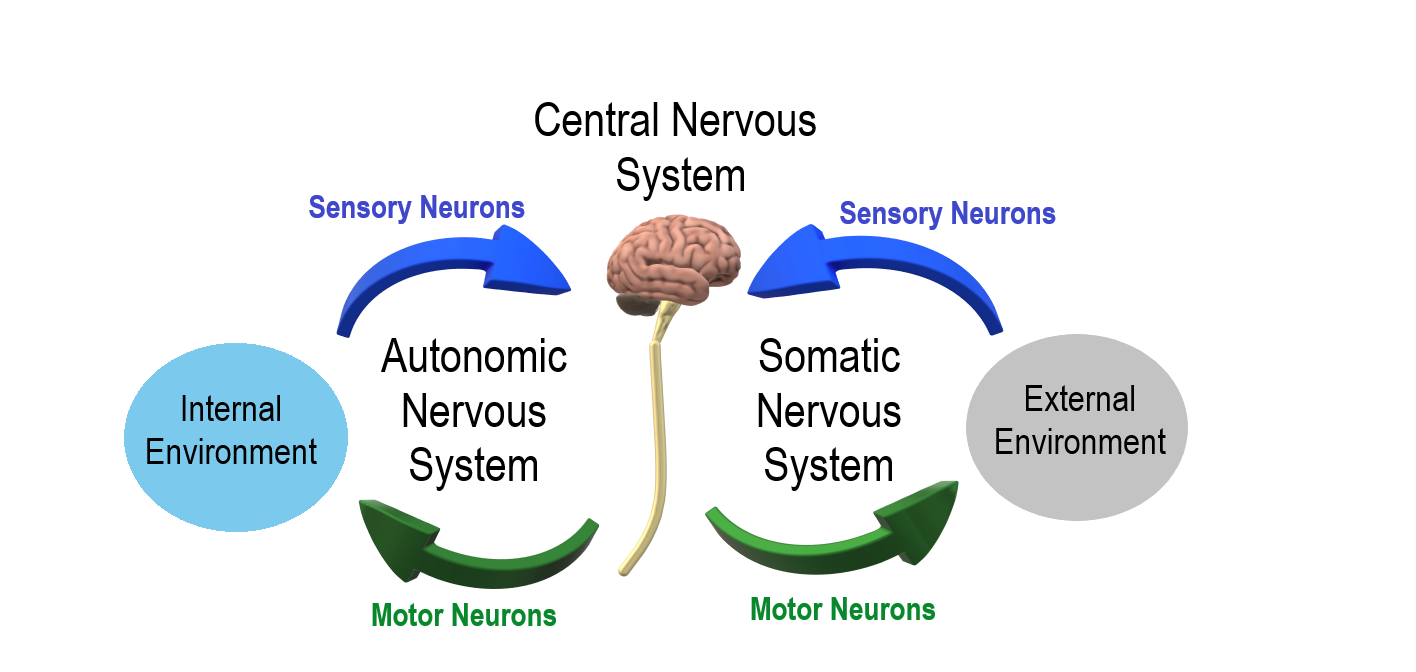
We often treat executive presence as an output of personality or experience. In reality, it is a byproduct of nervous system regulation. When you walk into a room, you are not just presenting ideas; you are broadcasting a frequency. Your nervous system is constantly scanning the autonomic states of your team, and theirs is scanning yours. This is a phenomenon known as co-regulation.
If your baseline state is sympathetic arousal—the hallmark of the chronic high-achiever—you are inadvertently signaling threat to your organization. You might be speaking about ‘innovation,’ but your body is vibrating at the frequency of ‘survival.’ Your team will instinctively mirror your tension, stifling the very creativity you are demanding from them. You are experiencing a breakdown in leadership not because of a bad strategy, but because of a biological mismatch.
The Fallacy of the ‘Steady Hand’
Many executives try to solve this with stoicism—a ‘fake it ’til you make it’ approach to appearing calm. This is an exhausting and ineffective cognitive strategy. The human brain is a pattern-recognition engine; it is exceptionally good at detecting the gap between what you are saying and the physiological signals you are projecting. This gap is where trust dies. You cannot ‘think’ your way into authentic presence. You must physically inhabit it.
This is where the traditional office environment fails us. It reinforces the disembodied, head-centric work model. To gain the competitive edge of radical congruence, leaders must stop looking for new frameworks and start auditing their autonomic baseline.
Tactical Somatic Shifts: A Performance Protocol
If you aren’t ready to step into a round pen with a horse, you can begin the work of biological optimization today. Treat your nervous system like a high-performance engine that requires calibration:
The Pre-Meeting Vagal Reset: Before high-stakes interactions, your sympathetic nervous system is likely primed for dominance. Use the ‘physiological sigh’—a double inhale through the nose followed by a long, extended exhale—to force a shift toward parasympathetic engagement. This lowers your heart rate and signals safety to those around you.
The Peripheral Scan: When stressed, our focus narrows (tunnel vision). This physiological state limits your strategic perspective. Practice ‘panoramic vision’—consciously widening your field of view during conversations. This simple ocular movement can biologically dampen the threat response in your amygdala.
The Anchoring Protocol: Leaders in high-stress roles often ‘float’ above their bodies. Practice grounding by consciously putting weight through your heels and noticing the contact of your body against your chair. This anchors your presence, preventing the frantic, high-frequency energy that often accompanies burnout.
The Contrarian Truth: Vulnerability is Data
The resistance to these methods comes from the archaic, heroic model of leadership: the idea that the leader must be impervious. But in a volatile, uncertain world, the leader who is ‘impervious’ is actually just ‘inflexible.’ The most effective leaders of the next decade will be those who view their own nervous system as the ultimate instrument of management. When you can regulate yourself, you provide a stable foundation upon which your team can perform. You aren’t just directing capital or talent; you are regulating the biological ecosystem of your company. That is the ultimate competitive advantage.
The Bottom Line
Stop trying to optimize your thinking until you have optimized your feeling. A brilliant strategy deployed from a dysregulated nervous system is a weapon that will eventually fire backward. Lead from your center, not just your skull, and watch how quickly the organizational friction disappears.


Leave a Reply