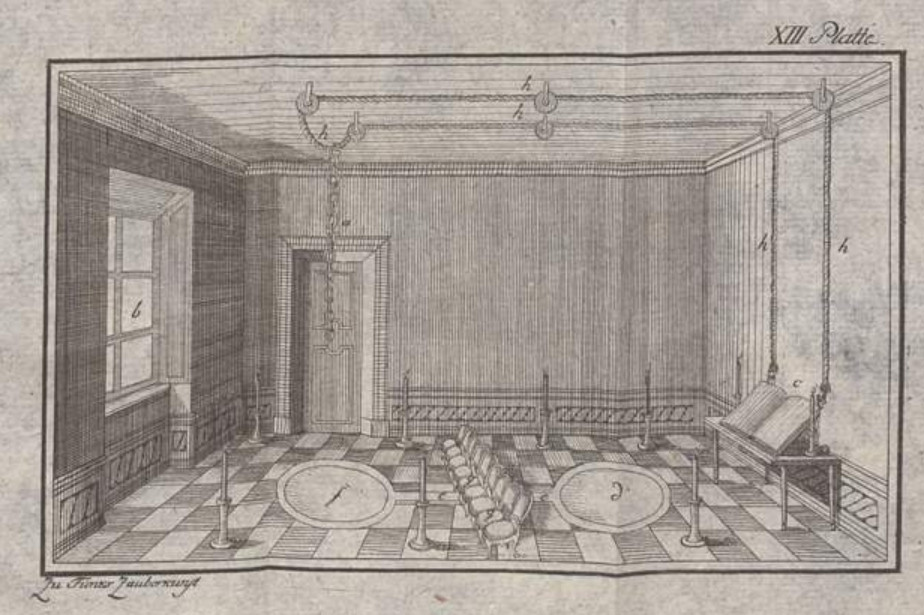
In our previous exploration of the Solomonic tradition, we decoded the archeology of influence—viewing organizational hurdles as manageable entities rather than mere statistical noise. However, there is a dangerous blind spot in the modern executive mindset: the assumption that once you have ‘bound’ a risk, it remains subservient forever. This is the fallacy of the static organization. In reality, entities—whether they are toxic cultural norms, outdated legacy strategies, or inefficient feedback loops—do not simply stay in their place. They rot.
The Entropy of ‘Bound’ Entities
If the Solomonic practice is about binding, then the high-growth phase of any company is about maintenance. When you identify an organizational ‘demon’—say, a middle-management bottleneck—and implement a sigil (a policy or process) to contain it, you are effectively burying that energy. But in a volatile market, burying energy doesn’t make it disappear; it makes it subterranean. It grows in the dark, evolving into institutional calcification. This is why companies that scale successfully often hit a ‘wall’ of their own making: they are still operating under the structures they created to survive their infancy.
The Necessity of the Corporate Exorcism
The elite leader understands that a strategy, like an entity, has a lifecycle. When a tool or policy becomes a ‘ghost’—an element of your workflow that exists only because ‘it’s the way we’ve always done it’—it is no longer a tool of control. It has become a parasite. You are no longer managing the entity; the entity is managing the organization.
A formal ‘Exorcism’ is the strategic act of de-ritualization. It requires three specific phases:
- The Identification of the Ghost: Look at your current workflows. Which ones are executed with robotic, unthinking adherence? These are your ghosts. If you cannot explain the current ROI of a meeting cadence or a reporting structure, it is a haunting.
- The Breaking of the Sigil: You must explicitly and publicly invalidate the process. You don’t just ‘tweak’ it; you dismantle the ceremony. If the policy was a ‘weekly alignment call’ that now serves only to consume time, the exorcism is the immediate, permanent cancellation of that specific ritual.
- The Vacuum Protocol: Nature abhors a vacuum, and so does an organization. If you simply remove a process, the underlying energy (the anxiety, the need for control) will seek a new host. You must immediately replace the exorcised process with a new, lean intentionality.
The Risk of Ghost-Legacy
The Materialist Fallacy mentioned previously is amplified by what I call ‘Ghost-Legacy.’ This occurs when a firm adopts the best practices of a competitor or a ‘unicorn’ company without adopting their underlying context. You are essentially inviting a stranger’s entity into your house. You adopt a ‘Holacracy’ or a ‘Flat Structure’ because you saw it work elsewhere, without realizing that those entities were bound to that specific organization’s culture. You end up being haunted by the success patterns of others.
Conclusion: Ritual as Evolution
The future of thebossmind is not merely in building structures, but in knowing when to burn them down. The Solomonic tradition teaches us that names have power, but it also teaches us that some entities must be cast out so that the temple (your enterprise) can remain sacred—dedicated solely to the current objective. Do not be afraid to be a ruthless iconoclast. If your organizational rituals are no longer serving your outcome, they are actively working against it. Perform the exorcism, clear the space, and reclaim the energy for the next phase of your ascent.