The Prometheus Paradox: Why Disruptive Leaders Secretly Crave the Fall
— by
Steven Haynes
The Prometheus Paradox: Why Disruptive Leaders Secretly Crave the Fall
In the discourse of leadership ethics, we often treat the ‘Babylonian Trap’—the misuse of disruptive power—as an accidental oversight. We frame leaders as well-meaning architects who simply failed to account for the structural integrity of their moral foundations. But this diagnosis is incomplete. It ignores a darker, more compelling reality: for many high-growth leaders, the ‘fall’ is not a bug; it is a calculated feature of the ego.
The Myth of the Accidental Villain
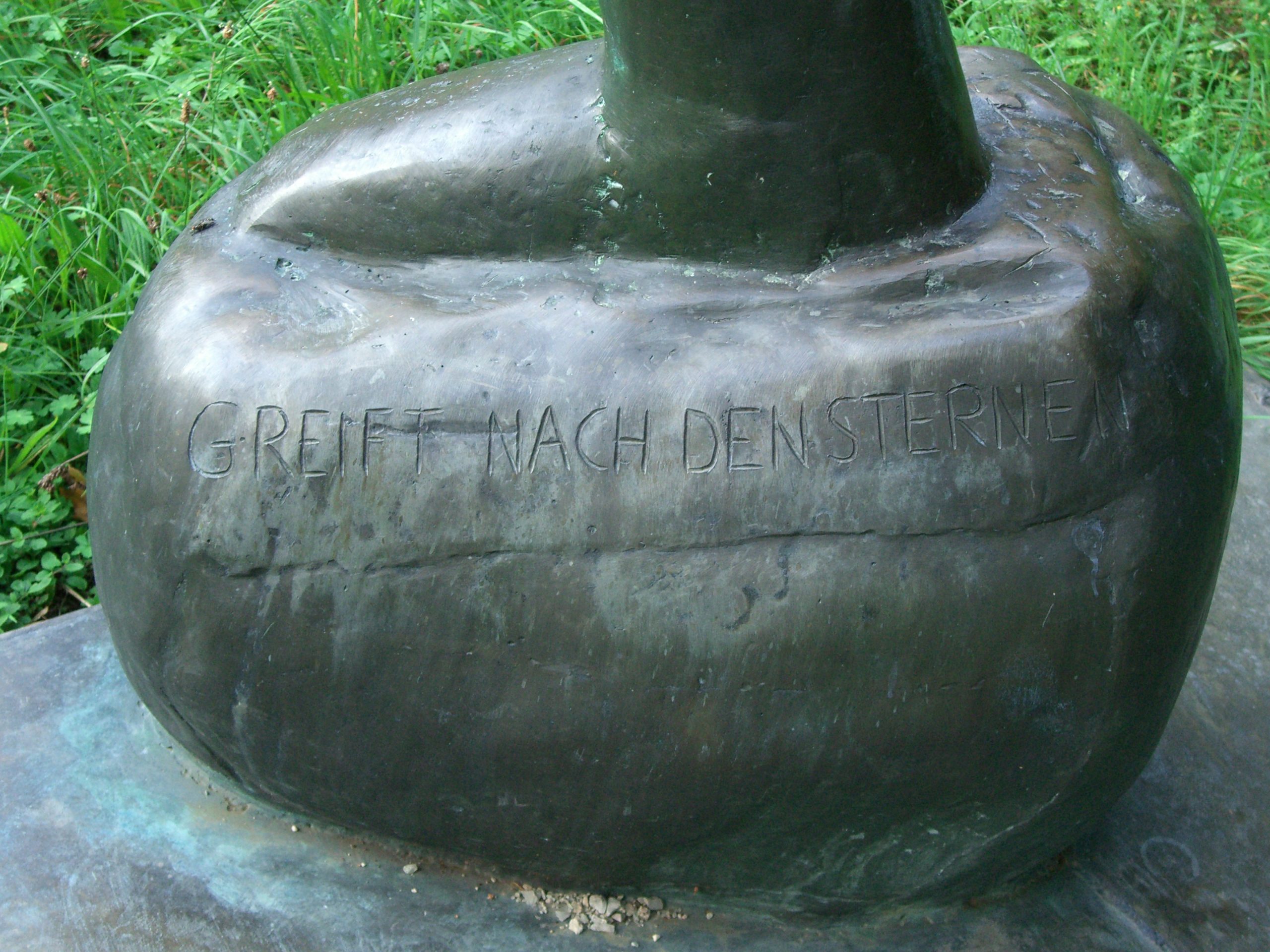
We like to believe that tech titans and financial moguls stumble into unethical outcomes. However, the internal monologue of a high-stakes disruptor rarely begins with malice. It begins with the Prometheus Complex: the burning desire to be the one who stole the fire, regardless of the scorching it causes. When a leader deploys an algorithm that maximizes engagement by fostering addiction, they aren’t just seeking quarterly profit; they are seeking the validation that their tool is ‘powerful enough’ to reshape human behavior.
The Harut and Marut narrative teaches us that power is a test of discernment. But what if the leader wants to fail the test? To pass the test is to remain a steward; to fail the test is to become a legend. There is a perverse incentive in business: the world remembers the disruptive scandal-maker far longer than the sustainable operator.
The Pathology of ‘Maximum Velocity’
Why do sophisticated leaders continue to build systems that erode the very trust they rely on? It is the pathology of Maximum Velocity. In the current ecosystem, speed is the only currency that markets recognize as ‘growth.’
The Ego-Trap of Scale: When you scale a product, you lose intimacy with the user. This distance allows leaders to abstract away the human cost of their innovations.
The Martyrdom of Innovation: Disruptors often cloak their moral shortcuts in the language of necessity. By saying, ‘If we didn’t do it, our competitors would,’ they excuse themselves from the weight of the moral consequences.
The Infinite Game fallacy: Leaders treat the market as an infinite game, believing that if they collapse today, they can simply pivot to a new domain tomorrow, leaving the wreckage for the regulators.
Beyond the Ethical Checklist
If you are a leader, you likely have an ethical checklist. You likely have a compliance department. You likely have a mission statement on your wall. But if you have to consult a checklist to decide if a strategy is corrosive, you have already failed. The most successful modern leaders aren’t those with the best audit processes; they are those with the best internal friction.
To reclaim the intent behind your innovation, consider these three radical shifts:
Cultivate ‘Strategic Hesitation’: If you find yourself eager to launch a high-leverage tool, force a mandatory ‘Cooling-Off’ period. If your innovation cannot withstand a 30-day delay for moral deliberation, it is not an innovation—it is a reflex.
The Inversion of Accountability: Stop measuring success by what the product can do for the company. Start measuring success by what the product refuses to do to the customer, even when it would be profitable.
Design for ‘Moral Obsolescence’: Build your business models to be brittle. If a model requires constant, aggressive exploitation to survive, it is a bad model. True longevity comes from systems that are ‘anti-fragile’—they gain strength from transparency and ethical resilience.
The New Benchmark: Sustainable Ego
The next iteration of leadership won’t be about who has the most ‘sorcery’ or the most data. It will be about the leaders who possess the rare strength of character to say, ‘We have the technology to do this, but we will choose not to.’
This is not a surrender; it is the ultimate expression of power. To build a system that is profitable, powerful, and clean is the most disruptive act a human can perform. The Babylonian trap is not about the fire we are given; it is about the fire we choose to extinguish rather than letting it burn our own house down.




Leave a Reply