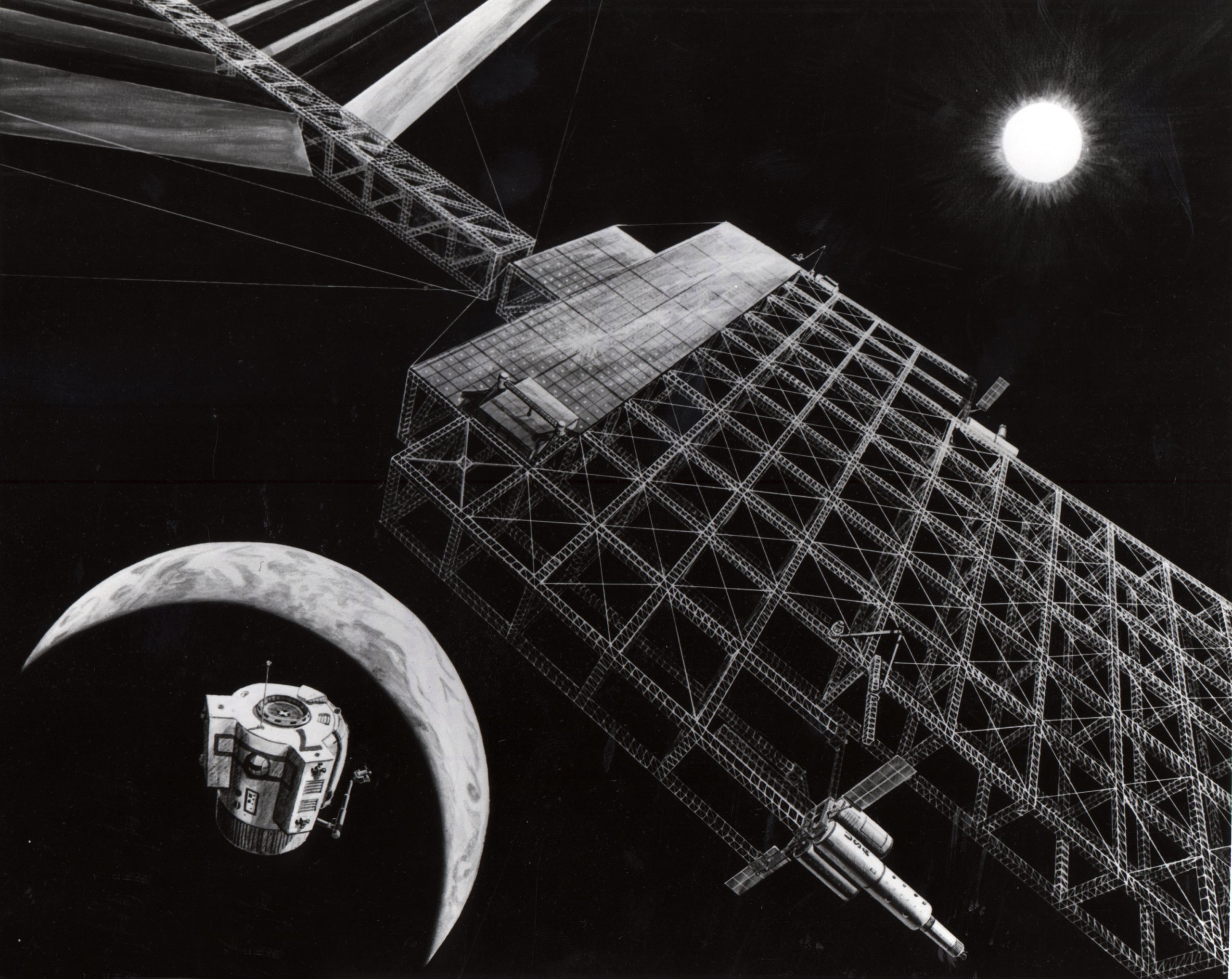
Bigelow Aerospace fundamentally changed our understanding of the ‘packaging penalty’ in orbit. By proving that we could fold our way into a frontier, they shifted the conversation from if we can live in space to how we afford the square footage. However, a dangerous strategic fallacy persists in the New Space sector: the belief that orbital infrastructure will mirror the economics of terrestrial real estate development.
The Myth of the ‘Landlord’ Model
Many current venture-backed startups are positioning themselves as space-age landlords. The logic seems sound: build the volume, wait for the launch costs to drop, and charge tenants for the privilege of working in microgravity. But this assumes a ‘field of dreams’ dynamic—that if you build a pressurized module, the tenants will naturally appear. Bigelow’s experience proves that in space, the ‘location, location, location’ mantra is inverted. In orbit, the location is everywhere, but the access is nowhere.
If you are an entrepreneur looking to succeed where the first-generation pioneers faced headwinds, you must abandon the ‘landlord’ mentality in favor of a ‘utility provider’ framework. Space real estate isn’t a commodity; it’s an industrial plant. You aren’t selling floor space; you are selling the unique physical properties of the environment.
The Shift: From Shell to Process
The original innovators focused on the architecture of the shell. The next wave of winners must focus on the architecture of the process. We have spent enough time obsessing over the volume of the room; it is time to obsess over what is happening on the workbench.
Consider the difference between a commercial office building and a semiconductor fab. One is a passive container; the other is a specialized ecosystem designed to facilitate a specific, high-value output. Future orbital stations should not be marketed as ‘hotels’ or ‘labs’—they should be marketed as sovereign manufacturing lines. If your business model relies on waiting for ‘space tourists’ to pay the rent, you are building a vanity project. If your business model relies on enabling a continuous, automated biological or chemical process that Earth’s gravity destroys, you are building an empire.
Contrarian Insight: The Danger of ‘General Purpose’ Infrastructure
Bigelow’s modules were designed to be versatile. This was their greatest strength as a prototype, but potentially a weakness as a business. General-purpose space stations are too expensive to sustain if they aren’t optimized for a specific, high-yield revenue stream.
We are entering an era of purpose-built orbital segments. Rather than trying to build the ‘International Space Station 2.0’ with high overhead and broad, amorphous goals, the next generation of founders should look at ‘single-application’ stations. Focus on one niche—be it orbital cooling, high-vibration manufacturing, or specific atmospheric testing—and design the structural geometry specifically for that process. By reducing the complexity of the internal environment, you reduce the failure rate of the systems that support it.
The New Metric: Cost-Per-Yield, Not Cost-Per-Volume
The industry is still trapped by the legacy of the ‘cost-per-kilogram’ mindset. To win in this new phase, you must optimize for Cost-Per-Yield. How much does it cost to produce one unit of high-value pharmaceutical compound or one spool of ZBLAN fiber optic cable?
If your startup’s pitch is ‘we have the biggest module in orbit,’ you are competing for crumbs in a crowded market. If your pitch is ‘we have the most efficient environment for X specific chemical reaction,’ you are creating a monopolistic advantage that terrestrial competitors cannot touch.
The era of architectural curiosity is over. The era of the industrial orbital workbench has arrived. Stop selling space; start selling the physics that money can’t buy on the ground.
Outline Introduction: Defining the emergence of trans-ontological entities (AI-human synthesis, digital consciousness, and decentralized autonomous organizations). Key Concepts: Defining the…