The Kinetic Audit: Why Your Office Furniture Is Sabotaging Your Strategic IQ
— by
Steven Haynes
In the world of high-performance business, we are obsessed with the ergonomics of our digital environment. We invest in $1,500 ergonomic chairs, standing desks with custom presets, and lumbar-support pillows. We treat our physical space as a structural solution to the problem of sitting. But what if the furniture is actually the problem? What if the very things designed to ‘fix’ your posture are actually facilitating a deeper, more insidious form of cognitive decline?
The Ergonomic Fallacy: The Comfort Trap
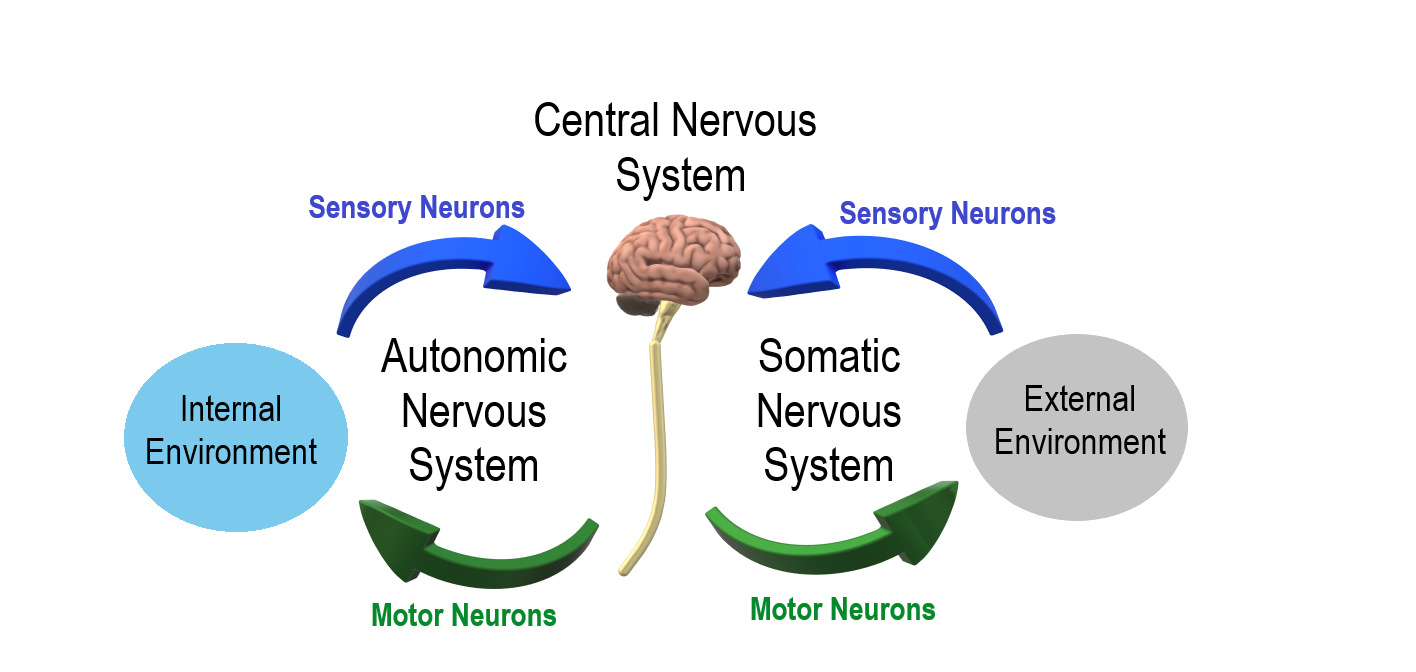
We have outsourced our proprioception to our furniture. When you sit in a highly engineered ergonomic chair, you are essentially asking a machine to do the job your nervous system should be doing. By providing external support for your lower back, shoulder blades, and head, you are effectively allowing your core muscles to go ‘off the clock.’ This creates a phenomenon I call ergonomic atrophy.
When you rely on a chair to hold you up, your brain stops monitoring your spatial orientation. You lose the ability to maintain ‘dynamic poise’—the state of active, alert balance—because the chair is doing the heavy lifting for you. Consequently, when you stand up to pitch, negotiate, or lead, you feel physically ‘deflated’ because your internal architecture has forgotten how to organize itself against gravity.
The Strategic Consequence: Externalized Intelligence
True executive presence is not found in a well-supported back; it is found in the ability to project internal coordination. When you are slouched into a ‘supportive’ chair, you are in a state of static rest. You are not ready for action. You are, neurologically speaking, parked.
High-performers who rely on ergonomic furniture to maintain their posture often suffer from what I call ‘The Transition Lag.’ When an urgent meeting or a sudden crisis occurs, the time it takes to shift from the ‘collapsed’ state facilitated by the chair to a state of ‘active leadership’ is measurable. In high-stakes negotiation, that lag is where you lose your edge. You cannot project authority if you have to ‘re-assemble’ your body from a state of ergonomic dependency.
The Kinetic Audit: Moving Beyond the Chair
If you want to maintain your cognitive edge, you must stop treating your environment as a crutch and start treating your body as a dynamic instrument. Here is how to reclaim your kinetic agency:
The Unplugged Hour: Every day, find 60 minutes to work in a ‘neutral’ environment. Use a simple, non-ergonomic chair or a stool. Without the pre-set curves of an office chair to lean into, your brain will be forced to engage its own internal gyroscope. You will feel the urge to slouch; notice it, then gently ‘lengthen’ your spine without external support. This is high-intensity cognitive training for your muscles.
Proprioceptive Anchoring: Instead of focusing on your lumbar support, focus on your sit-bones. Feel the contact point between your body and the chair. Use this physical touchstone to remind yourself that you are the support structure, not the chair.
The ‘Pre-Flight’ De-Support: Five minutes before any high-stakes interaction, stand up and walk away from your desk. Remove yourself from the ‘cradle’ of your workstation. By moving through space without environmental assistance, you recalibrate your sense of balance and presence. You re-assert control over your own chassis.
Conclusion: Own Your Physics
The most dangerous thing you can do for your career is to become a creature of comfort. Your furniture is designed to keep you in place; your leadership role requires you to be in motion. Don’t let your workspace dictate your nervous system’s baseline. Stop seeking the perfect chair, and start building the internal infrastructure to hold yourself with poise, power, and presence, regardless of where you are sitting.




Leave a Reply