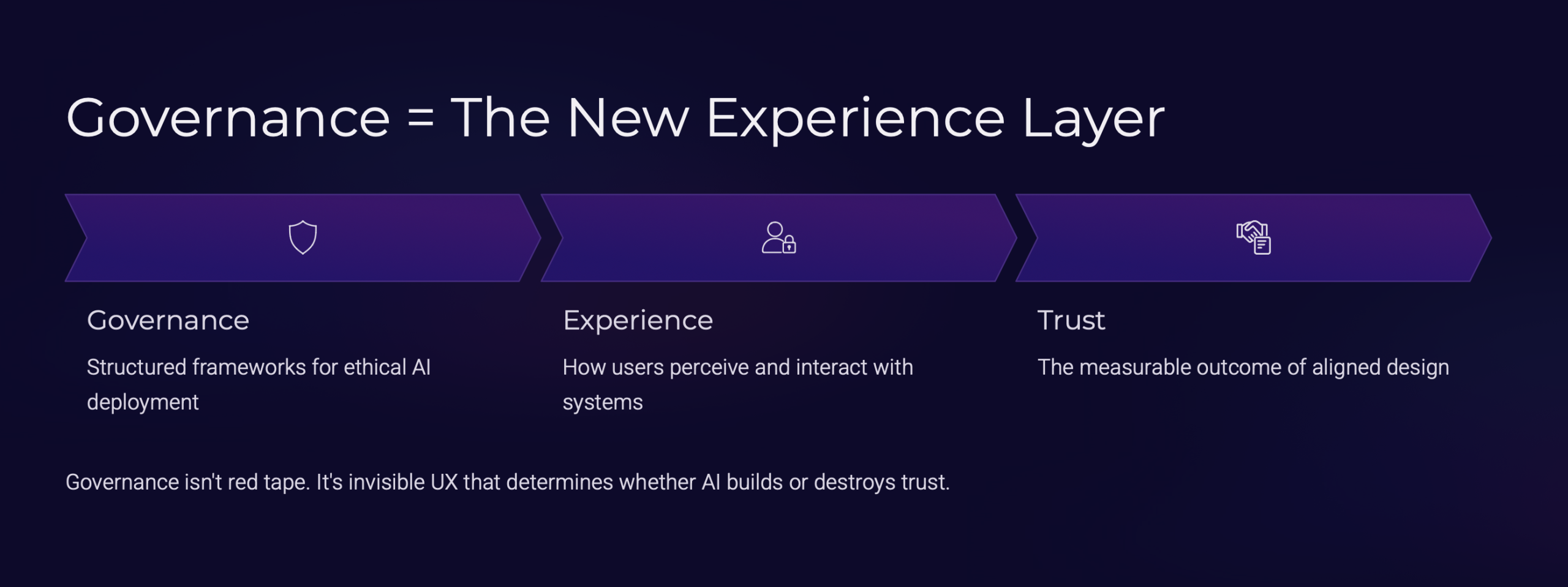
In the quest to master complexity, many high-stakes organizations make a fatal error: they mistake governance for bureaucracy. While multi-layered oversight is a strategic necessity, the traditional approach often creates a ‘security theater’ that paralyzes innovation rather than protecting it. As we move deeper into an era of AI-driven competition, the true differentiator isn’t just having layers of governance—it’s knowing when and how to strip them away.
The Illusion of Control
The original mandate for multi-layered governance rests on the belief that more eyes on a decision equate to lower risk. In reality, the more layers you add to a decision-making process, the more you suffer from ‘Accountability Dilution.’ When a strategic move passes through the Strategic Apex, the Operational unit, and the Granular execution layer, individual ownership evaporates. Decisions become compromises, and speed—the ultimate currency in a SaaS-first, AI-integrated market—drops to near zero.
The Contrarian Strategy: ‘Governance-as-Code’
Instead of manual, human-centric layers, high-performing organizations are shifting toward Governance-as-Code. This approach replaces slow, committee-led oversight with automated guardrails embedded directly into the operational flow. By automating compliance and risk thresholds, you don’t need to slow down the process to check the governance; the process itself becomes self-policing.
1. From Human Review to Algorithmic Guardrails
Rather than waiting for an ‘Operational Excellence’ committee to approve a deployment, embed the compliance requirements (like data residency or security headers) into the CI/CD pipeline. If the code meets the security policy, it is automatically approved. This shifts governance from a gatekeeper to an enabler.
2. The Principle of Reversible Decision-Making
One of the biggest blockers in multi-layered governance is the fear of irreversible failure. Leaders should differentiate between ‘Type 1’ decisions (existential, hard-to-reverse) and ‘Type 2’ decisions (reversible, low-impact). Implement strict, human-led governance for Type 1, but delegate absolute, unfiltered autonomy to the ‘Granular’ layer for Type 2. If the team can roll back the change in ten minutes, they don’t need a layer of oversight.
3. Transparency Over Approval
We need to stop asking, ‘Who has the authority to approve this?’ and start asking, ‘Who has the visibility to stop this if it goes wrong?’ By moving from a culture of permission to a culture of radically open telemetry, leaders can monitor decentralized teams in real-time. You don’t need to approve every move if you have a dashboard that alerts you the moment an anomaly occurs.
Breaking the Bottleneck
The goal of governance in high-stakes environments is not to create a cage; it is to create a high-speed track with guardrails. If your current multi-layered structure feels like a series of speed bumps, you aren’t governing—you’re obstructing.
To regain your competitive edge, audit your layers today. Identify one decision that requires three sign-offs and automate it, or categorize it as a ‘reversible’ choice that can be managed entirely at the team level. In the modern, fast-paced business landscape, the organization that governs the fastest—not the most—will win.