
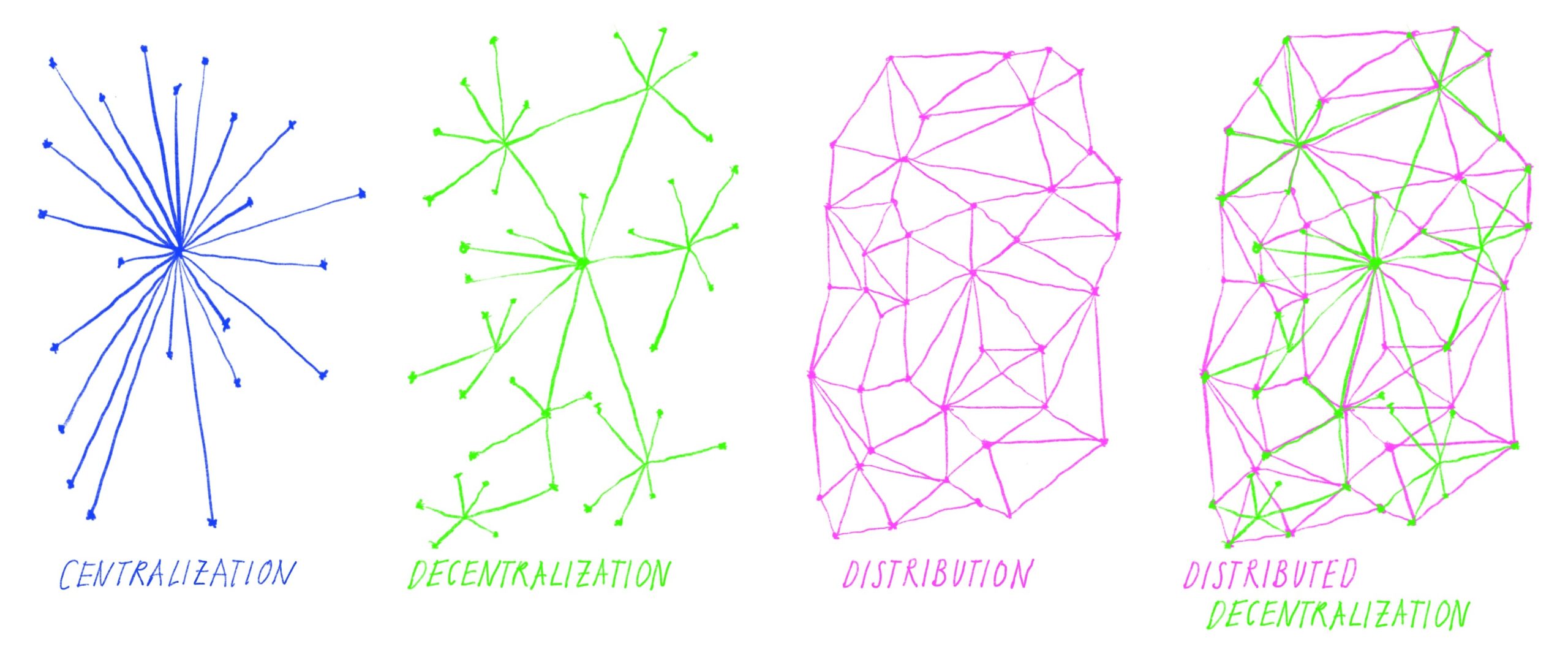
When modern leaders hear the call to move beyond command-and-control, they often jump straight to the dream of the ‘flat organization.’ We visualize beanbags, open floor plans, and a lack of middle management. But there is a dangerous irony in this shift: many companies attempt to implement anarchist-inspired decentralization without replacing the old hierarchy with the necessary foundational discipline that keeps decentralized systems from collapsing into chaos.
The Myth of the ‘Flat’ Shortcut
If hierarchy is an artificial cage, a ‘flat’ structure without a replacement architecture is a vacuum. In the absence of a defined hierarchy, human nature doesn’t lead to instant, democratic utopia. Instead, it leads to the formation of shadow hierarchies—informal, often toxic, cliques where power is wielded based on social capital and proximity to founders rather than competence or transparency. Without explicit structure, the most charismatic or the loudest voice wins, not necessarily the best idea.
Anarchism Demands Radical Competence
To move away from command-and-control, you cannot simply remove the ‘boss.’ You must replace the ‘authority of position’ with the ‘authority of competence.’ In a truly decentralized, high-performance organization, hierarchy isn’t abolished; it is fluid and ephemeral. It becomes a ‘hierarchy of expertise’ that shifts depending on the task at hand.
Think of a surgical team or a fire crew: when the situation dictates, the person with the most relevant skill for that specific moment leads. The moment the task changes, the leadership shifts. This is not ‘flat’; it is dynamic task-based governance. It requires everyone in the organization to have high self-awareness and the humility to step back when someone else is the expert.
The Three Pillars of Non-Hierarchical Governance
For organizations looking to escape the inertia of traditional management without falling into the trap of disorganized chaos, I propose three non-negotiable pillars:
- Protocol-Based Decision Making: If you aren’t using a top-down chain of command, you must use a ‘code’ of decision-making. Tools like DACI (Driver, Approver, Contributor, Informed) or Sociocracy provide clear frameworks so everyone knows who decides what, without needing a title to justify the decision.
- Radical Transparency as Accountability: Command-and-control thrives on information hoarding. To decentralize, you must ensure that every team member has access to the same ‘source of truth’ regarding company performance, budgets, and strategic pivots. Transparency is the antidote to the distrust that fuels bureaucracy.
- The Default to ‘Opt-In’ Contribution: Shift from ‘assigning’ tasks to ‘proposing’ initiatives. Instead of a manager forcing a project on a subordinate, allow individuals to self-select into workstreams that align with their strengths. This creates an environment where people are not ‘following orders’ but are ‘committing to outcomes.’
The Verdict
The transition to decentralized management is not an act of ‘letting go’—it is an act of ‘leveling up.’ It demands more maturity, more communication, and more rigorous documentation than a traditional top-down system. If you aren’t prepared to build a rigorous framework of accountability, stay with the hierarchy. The cost of a poorly executed decentralized system isn’t just lost time; it is the total erosion of the company culture. Freedom at work is a high-performance sport, not a vacation from structure.




Leave a Reply