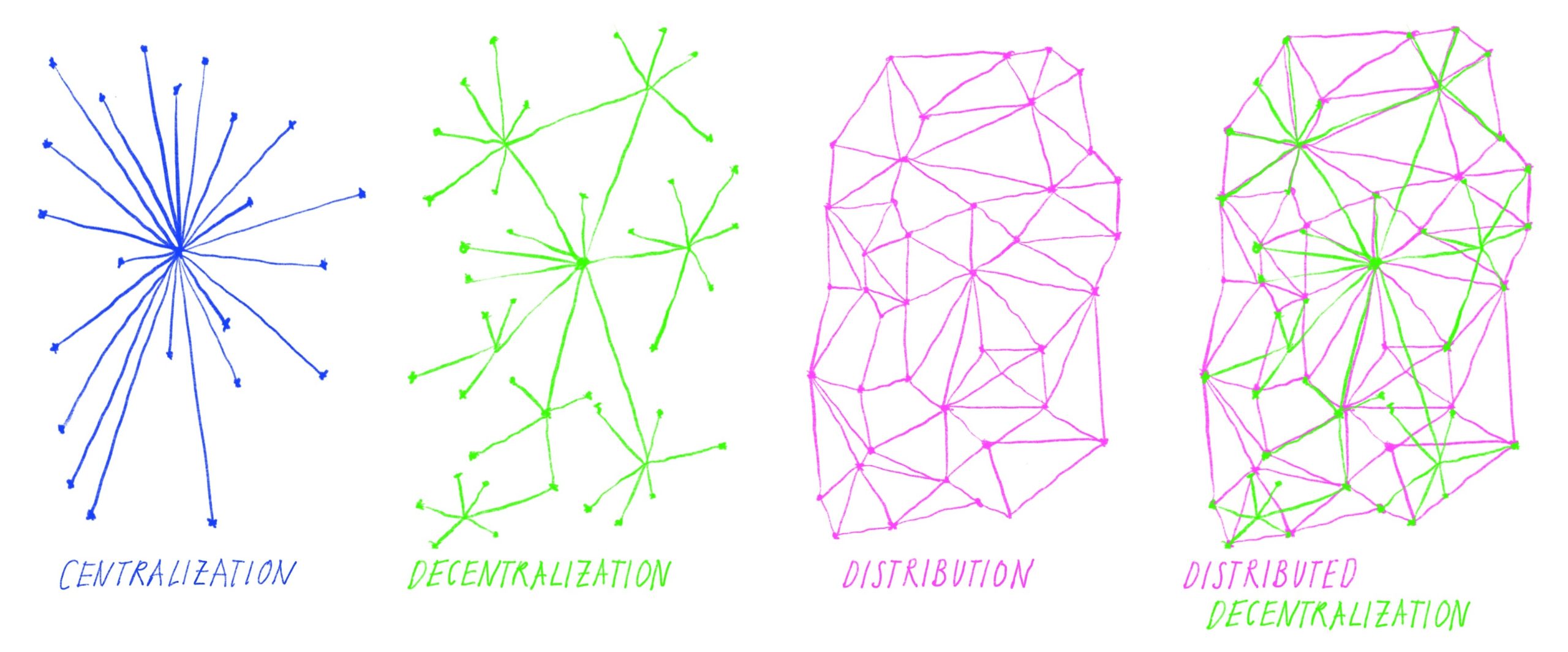
The Decentralization Trap
The modern enterprise narrative has been hijacked by the promise of ‘trustless’ systems. Proponents argue that by offloading business logic to immutable, decentralized protocols, organizations can effectively eliminate the human variable from operations. However, for the high-performing executive, this represents a dangerous miscalculation. Replacing administrative oversight with algorithmic finality does not remove human risk—it merely shifts it to a more opaque and unforgiving layer of the tech stack.
The Illusion of Algorithmic Safety
The core tenet of blockchain architecture is that code is law. If a system is mathematically sound, it is presumed to be operationally sound. This is a fatal misconception. While cryptographic certainty guarantees that a transaction occurred, it offers zero assurance that the transaction was correct or intended. In a traditional database, an erroneous transaction can be rolled back by a database administrator. On-chain, that error becomes a permanent, irreversible fixture of your operational history.
For the modern enterprise, decentralization introduces a ‘rigidity tax.’ As you move toward permissionless systems, you lose the ability to correct human error or adjust for unforeseen black-swan events. Leaders must realize that true operational excellence in a blockchain-enabled firm is not about removing humans from the loop—it is about creating high-fidelity feedback mechanisms that oversee the protocols themselves.
Redefining Governance in a Protocol-First World
If we cannot rely on a central authority to fix mistakes, we must build a new kind of ‘governance layer’ that functions as the brain of the machine. The shift here is from reactive remediation (fixing broken data) to proactive verification (mathematical sandboxing).
Organizations must adopt a ‘Circuit Breaker’ mentality. This means implementing off-chain monitoring systems that treat the blockchain not as a source of absolute truth, but as a broadcast layer that must be validated before it is integrated into the enterprise resource planning (ERP) system. The smart contract acts as the execution engine, but the executive leadership remains the steering committee. You are no longer managing a database; you are managing a complex, distributed autonomous agent that requires constant guardrails.
The Strategic Imperative: Managing Code-Based Risk
The transition toward decentralized operations is essentially an outsourcing of business logic to a distributed network. This effectively makes the quality of your security and audit protocols the primary driver of your firm’s competitive advantage. If your infrastructure is immutable, your code must be perfect. If it is not, you are one malicious exploit away from institutional insolvency.
We are entering an era where ‘Chief Trust Officer’ will become a more vital role than Chief Technology Officer. This individual will not be responsible for hardware or software uptime, but for the economic and logical integrity of the protocols the company relies upon. The winners in this new paradigm will not be those who rush to decentralize every process, but those who strategically choose which processes require the immutability of the chain and which require the flexible, human-centric oversight of traditional systems.
Conclusion: The Hybrid Maturity Model
The goal for the next decade of digital transformation is not to strive for full decentralization, but for a hybrid maturity. True operational efficiency lies in the intelligent orchestration of centralized strategy and decentralized execution. Before you rewrite your business logic into a smart contract, ask yourself: ‘If this transaction is processed with 100% mathematical certainty, is it still the right outcome for my business?’ If the answer is no, keep the human in the loop. The blockchain is a tool, not a substitute for leadership.