
In our professional and personal lives, we are conditioned to believe that compliance is the ultimate benchmark of success. We follow standard operating procedures, adhere to industry regulations, and tick the boxes of organizational culture. But there is a hidden danger in this obsession with the rulebook: we often mistake conformity for character.
The Illusion of Safety in Structure
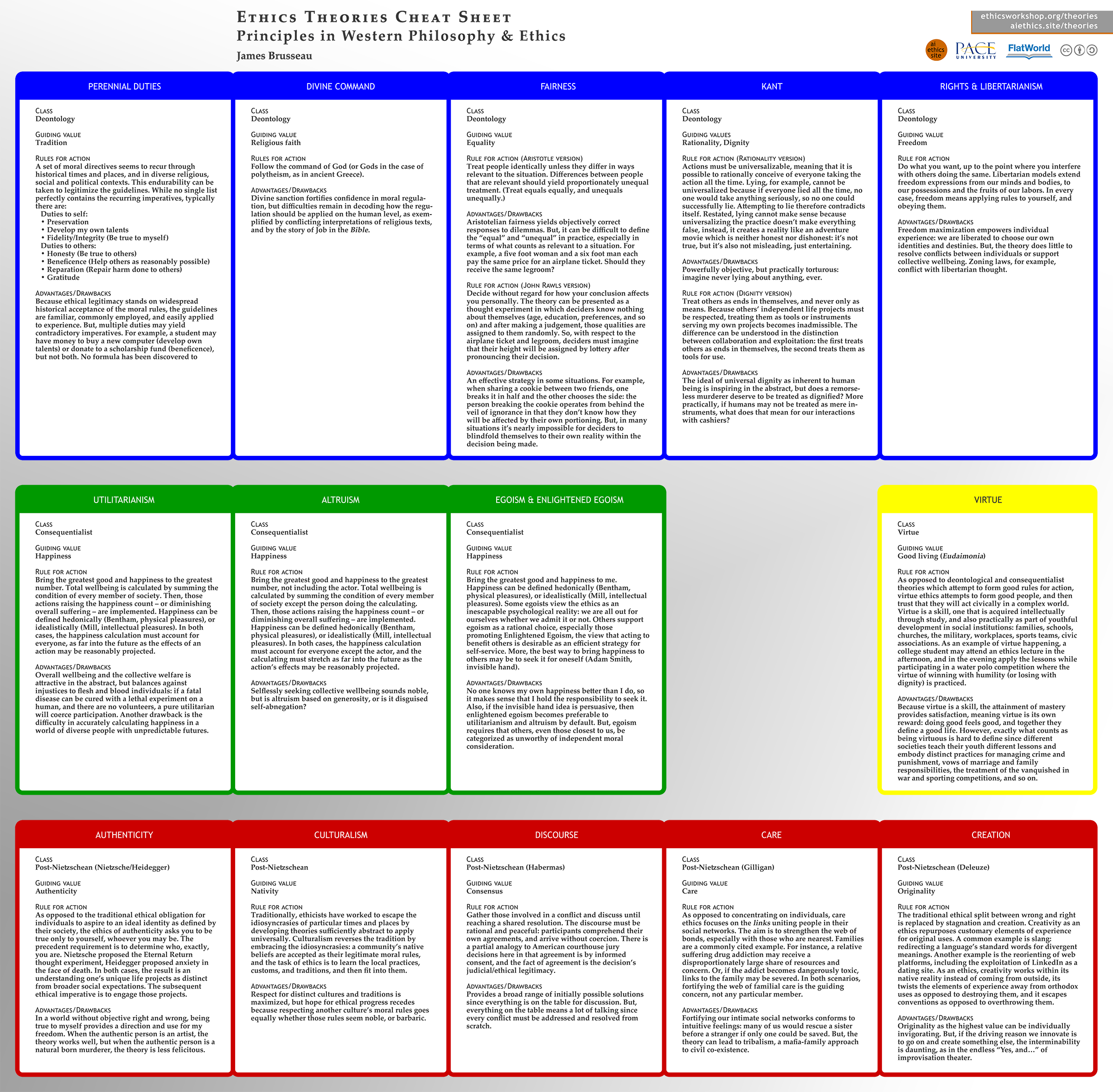
The original discourse on antinomianism teaches us that relying solely on a list of external laws can lead to a hollow moral life. In the modern workplace, we see this played out as the ‘Compliance Trap.’ When an organization focuses exclusively on rules, it fosters a culture where employees ask, ‘Can I do this?’ rather than ‘Should I do this?’
When we reduce ethics to a set of enforceable constraints, we outsource our moral agency. If a behavior isn’t explicitly forbidden in the handbook, we assume it’s acceptable. This is the exact inverse of true integrity—a form of ‘legalistic loophole-seeking’ that is the secular cousin of antinomianism. By leaning on the letter of the law, we atrophy our ability to make difficult, nuanced decisions.
Moving from Checklists to Principled Action
To move beyond the compliance trap, we must stop viewing ethics as a perimeter fence and start viewing them as a core operating system. Here is how to evolve your decision-making framework:
1. The ‘Invisible Spectator’ Audit
Instead of asking, ‘Is this against company policy?’, ask: ‘If my decision were broadcast on the front page of tomorrow’s news, would I be proud of the motive behind it?’ Rules define the baseline; character defines the ceiling. This audit shifts the focus from avoiding punishment to seeking excellence.
2. Identifying Principles vs. Policies
Policies are specific, temporal, and situational. Principles are universal and enduring. A policy might say ‘Do not share confidential data.’ The underlying principle is ‘Trustworthiness.’ When you understand the principle, you handle information with a level of care that goes far beyond data-security protocols, because you are guarding the relationship of trust itself, not just avoiding a data breach.
3. Friction as a Feature
We often use rules to remove friction from decision-making. However, ethical growth happens in the presence of friction. When you face a dilemma where the rules are silent or conflicting, don’t seek a new rule to resolve it. Lean into the tension. Use that discomfort as a signal that you are operating at the level of character rather than automation. The ability to sit with ambiguity is the hallmark of a leader, not a follower.
Conclusion: The Burden of Freedom
Abandoning the safety net of legalism is not an invitation to chaos; it is an invitation to maturity. It requires more effort to be governed by internal principles than to simply obey a code of conduct. But the payoff is a life—and a business—built on genuine integrity rather than mere compliance. Real leadership isn’t found in the fine print; it’s found in the wisdom to know the difference between what we are permitted to do and what we ought to do.




Leave a Reply