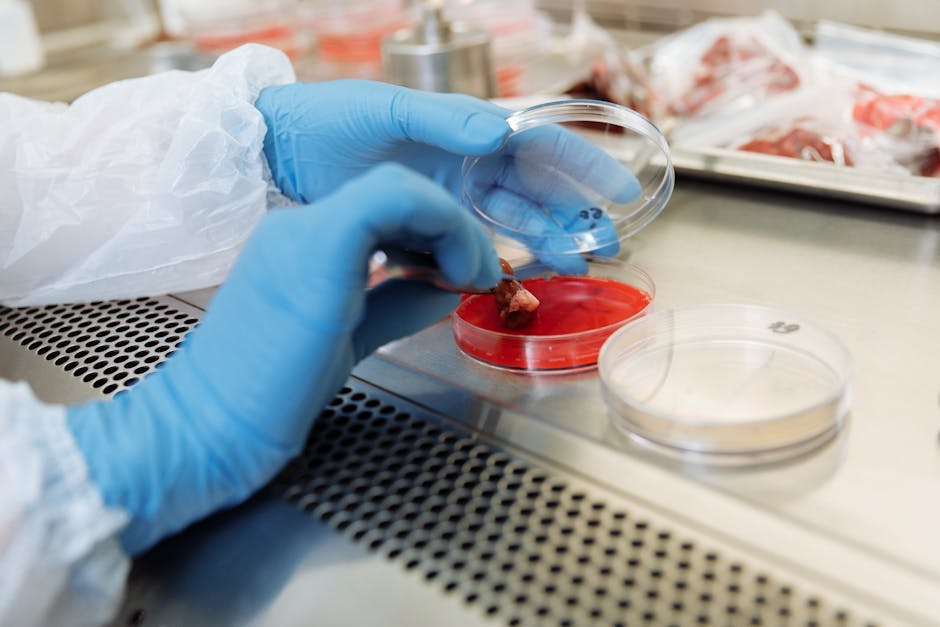
In the modern corporate ecosystem, there is an increasing obsession with the ‘bio-optimization’ of the executive. We see leaders tracking everything from blood glucose variability to deep-sleep latency, treating the human body as a piece of high-frequency trading hardware. The premise is seductive: if we apply the rigor of medical innovation to our internal biological systems, we will inevitably achieve higher output. However, this is a dangerous category error that risks turning effective leaders into inefficient machines.
The Fallacy of Biological Determinism in Strategy
The original thesis of bio-economic growth suggests that medical innovation provides a blueprint for operational agility. While true for the industry, it is a false positive for the individual. Strategic leadership is not an exercise in optimization—it is an exercise in judgment. By focusing on the granular biological data of the operator, leaders often succumb to ‘optimization anxiety,’ where the pursuit of peak physiological state replaces the pursuit of sound strategic intuition.
True strategic advantage in the 21st century comes not from the perfect calibration of a CEO’s microbiome, but from the ability to embrace entropy. When we try to ‘bio-hack’ our way to a competitive edge, we are essentially trying to lower the variance of human performance. Yet, the most significant breakthroughs in history were not produced by perfectly optimized, low-variance biological specimens. They were produced by messy, erratic, and deeply human intuition—the kind that thrives in the absence of perfect metrics.
The Diminishing Returns of Executive Health
We are witnessing a shift where operational excellence is being confused with health maintenance. When an organization treats its leadership team like a fleet of medical test subjects, the focus shifts from external value creation to internal maintenance. This creates a cultural bottleneck: when the boardroom becomes preoccupied with optimizing the operator, the focus on market-facing innovation inevitably wanes.
There is a ceiling to how much biological optimization contributes to market success. After a certain threshold of basic physical health, the marginal utility of a new wearable tracker or blood panel drops toward zero. The time spent monitoring these inputs is time stolen from the only activity that actually drives corporate strategy: rigorous, long-form thinking about market dynamics, human psychology, and systemic change.
Redefining Resilience
Instead of viewing biological optimization as a competitive requirement, leaders should view it as a tool for personal longevity, but never as a proxy for strategic brilliance. A high-performance strategy requires cognitive flexibility—the ability to pivot, to doubt, and to be wrong. This ‘human’ element is often hampered by the rigidity of a bio-optimized routine that leaves no room for the necessary, albeit inefficient, cycles of deep, unstructured thought.
The next phase of business excellence will not belong to the leaders who most efficiently track their caloric expenditure. It will belong to those who recognize that strategy is an art form, not a clinical trial. By stepping away from the data-saturated ‘bio-optimization’ trap, leaders can reclaim the cognitive bandwidth required to see around corners—something no diagnostic algorithm has yet managed to replicate.
The Path Forward
Let the scientists and medical innovators handle the clinical trials. Your role as a leader is to manage the messiness of the market. Prioritize sleep, exercise, and diet as foundations for life, but keep them in the background. In the boardroom, the only metrics that truly matter are the ones that measure how well you serve your customers and how effectively you lead your people. Do not mistake the optimization of the biological machine for the refinement of the strategic mind.