The Architect’s Shadow: Why Your Best Hires Are Sabotaging Your Scalability
— by
Steven Haynes
In the previous analysis of systemic resilience, we explored the Habuhiah principle as the restorative force against the entropic pull of institutional decay. However, there is a dangerous blind spot in the modern executive mindset: the assumption that organizational rot is an external force or a passive symptom of mismanagement. The truth is often more uncomfortable. The most profound decay in high-growth companies isn’t caused by a lack of vision; it is accelerated by the very people you have incentivized to succeed.
The Myth of the ‘Apex Performer’
We are obsessed with hiring ‘A-players.’ In our pursuit of excellence, we build incentive structures that reward hyper-individualism—the lone wolf who hits quotas, the developer who writes code that only they can maintain, and the leader who builds a fiefdom rather than a foundation. These individuals are frequently the primary vectors of Belial-like energy. They optimize for their own success at the expense of the organizational architecture.
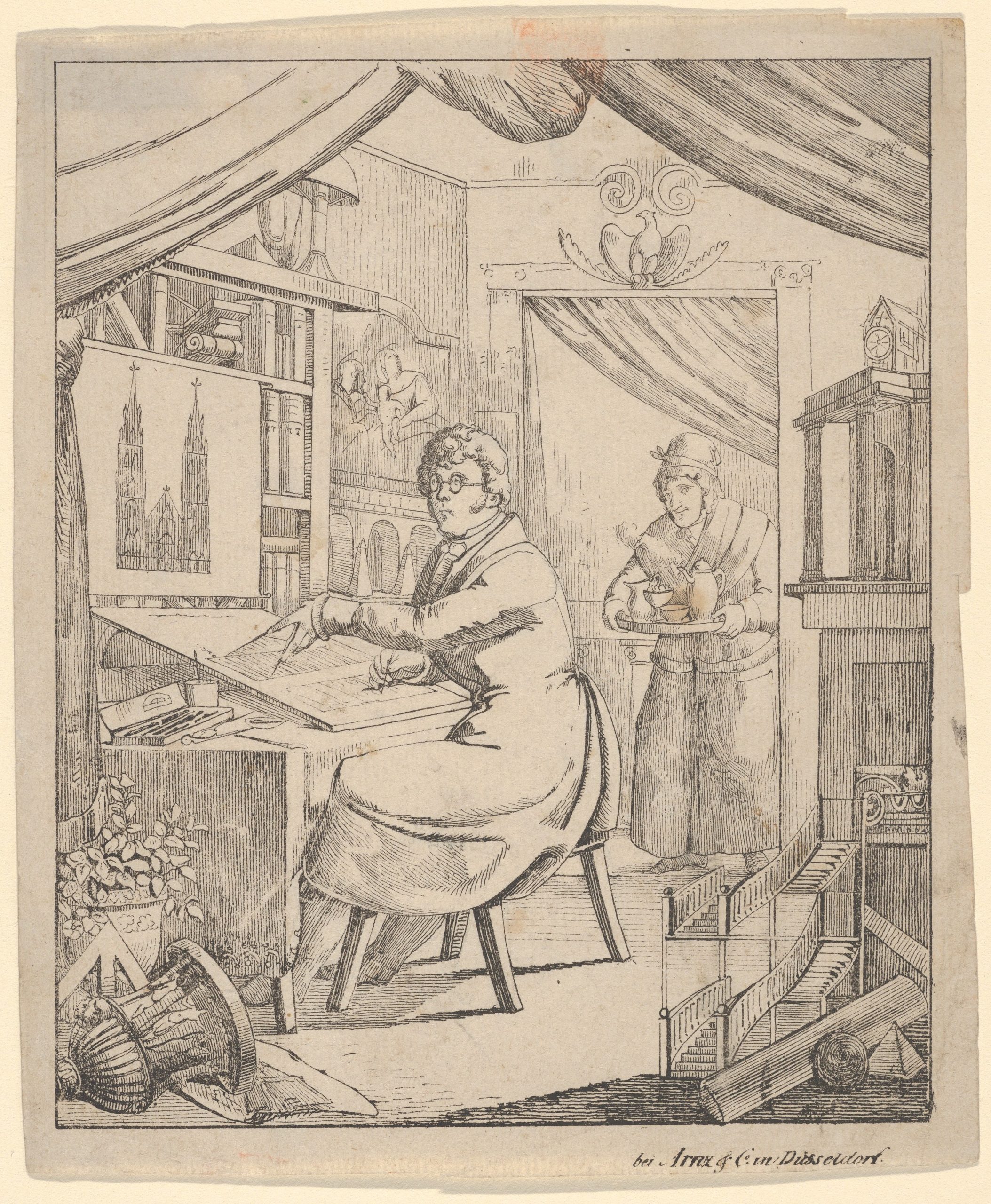
When an Apex Performer hits a ceiling, they don’t adapt; they distort the system to accommodate their ego. This is the ‘Architect’s Shadow.’ The high-performer, once a creator of value, becomes a silo-builder. They hoard knowledge, monopolize resources, and create bottlenecks that make the organization dependent on their personal output rather than the strength of the system.
The Pathology of the Star System
When you rely on individual stars, you are not building a resilient company; you are building a collection of fragile dependencies. Resilience is a property of the collective, not the individual. The moment a process becomes dependent on the ‘special talent’ of a single manager, you have introduced a point of failure that entropy will inevitably exploit.
The transition from a startup to a scale-up requires a shift in archetypal focus. You must evolve from the Creator (who needs stars to get off the ground) to the Architect (who needs systemic stability to endure). The Architect does not fear the loss of the star performer; they fear the dependency on them.
The Operational Pivot: From Talent to Infrastructure
To neutralize the Architect’s Shadow, you must implement a protocol of ‘Systemic De-risking.’ This is not about firing your top talent; it is about reframing their value contribution.
The Knowledge Audit (Decentralization): If a process or a project cannot survive the departure of its leader, it is a structural liability. Mandate that every piece of ‘proprietary genius’ be codified into a repeatable workflow. If a star performer refuses, they are not a hero—they are a risk.
Architecture Over Agency: Incentivize your high performers based on the success and autonomy of their teams, rather than just their personal output. When a leader is rewarded for how well their system runs in their absence, they cease to be a silo-builder and become an architect.
The ‘Redundancy’ Mandate: In high-growth environments, redundancy is often viewed as inefficiency. This is a fatal error. Redundancy is the buffer that absorbs shock. Allow for overlapping responsibilities to ensure that no single person is the sole carrier of institutional memory.
The Verdict
Resilience is not the absence of disruption; it is the presence of an architecture that can withstand it. By identifying the shadow side of your high performers, you stop managing people and start managing the integrity of the ecosystem. The true test of a leader is not how fast they can grow with a team of stars, but how stable the organization remains when the stars align differently. Stop building on sand, no matter how shiny the grains appear to be.


Leave a Reply