In our previous exploration of the Bradiel Protocol, we established the necessity of architectural integrity. We argued that the CEO’s primary role is to bring order to chaos, siloing high-value tasks and enforcing logistical precision. But there is a dangerous shadow side to the pursuit of pure systemic order: the transition from stability to calcification.
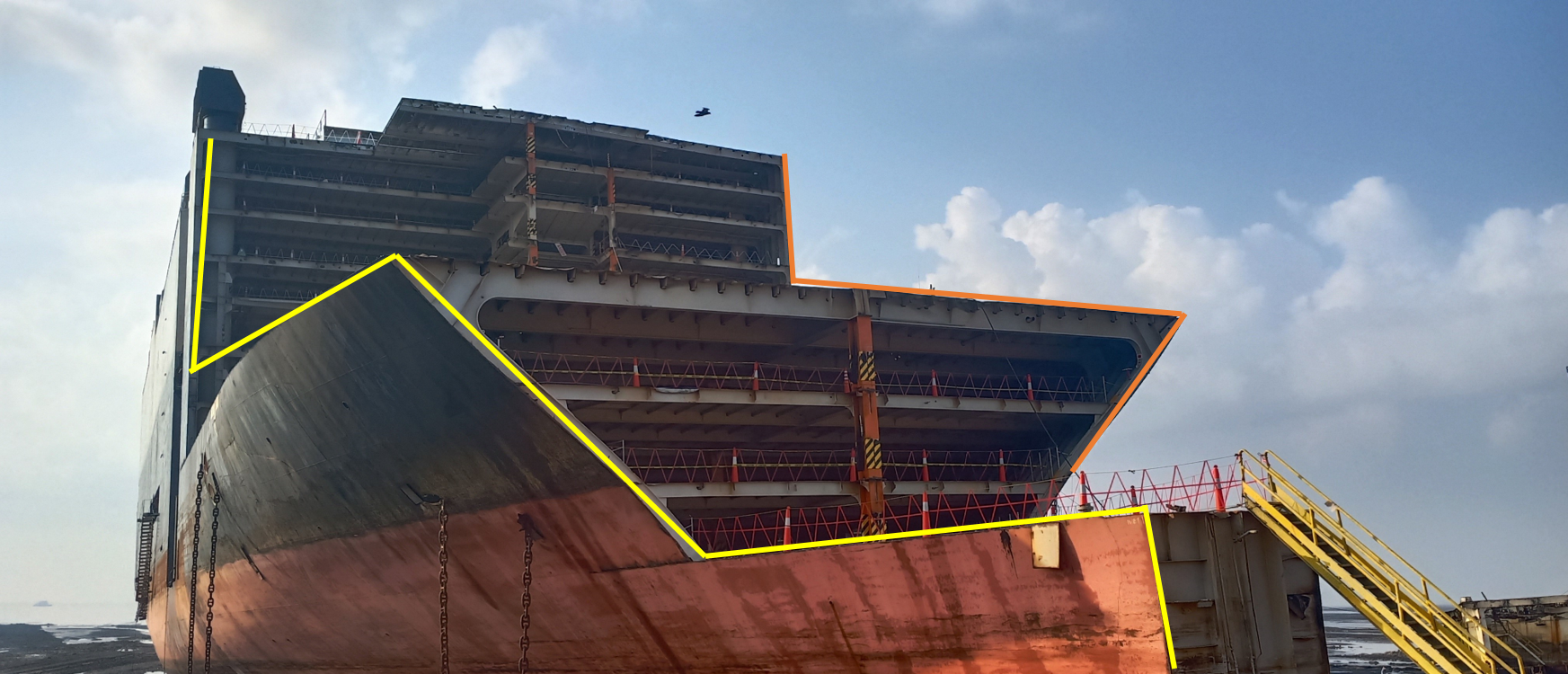
If the Architect of Execution becomes too enamored with their own protocols, the organization stops evolving. It becomes a museum of perfect processes rather than a dynamic, living entity. True sovereign leadership does not just require the ability to create structure; it requires the courage to introduce controlled entropy.
1. The Trap of Perfect Alignment
The Bradiel archetype—while essential for scaling—can be weaponized by the ego to create an environment where nothing can go wrong, and therefore, nothing new can emerge. When you optimize every workflow to eliminate friction, you inadvertently remove the very anomalies that drive innovation. A business that is perfectly “aligned” is often just a business that has stopped learning from the jagged reality of the marketplace.
2. Introducing “Calculated Friction”
If the goal of the Architect is to reduce noise, the goal of the Antifragile Executive is to curate the right kind of noise. In high-performance systems, resilience is not built by preventing failures, but by designing a structure that learns from them. Here is how you evolve beyond mere structural stability:
The Anomaly Buffer: Dedicate 10% of your operational bandwidth to “structural experiments” that intentionally break your existing workflows. If your system is so rigid that a single pilot project can’t operate outside the SOPs, you have created a prison, not a foundation.
Red-Teaming the Foundation: Most leadership teams meet to optimize. You should meet to dismantle. Quarterly, perform a “pre-mortem” where you assume your current architectural framework is the reason for your eventual failure. This prevents the arrogance of the “Architect-CEO.”
Decentralized Autonomy: While centralization is effective for scaling, it is fatal for longevity. Use your systems to define the constraints (the non-negotiables) and then grant total tactical sovereignty within those boundaries. Your systems should be the “guardrails,” not the “map.”
3. Entropy as an Asset
Complexity is not something to be solved; it is something to be harnessed. The elite leader understands that growth is not linear—it is emergent. By obsessing over the Bradiel-style command of structure, you create a top-down bottleneck. By shifting to an antifragile model, you enable your organization to self-organize in response to market volatility.
You must move from being the Architect—the one who draws the blueprints—to the System Designer—the one who builds the conditions for the structure to update itself. The former expects the building to stay still; the latter builds an organism that grows.
4. The Sovereign Pivot
The ultimate test of your internal framework is not how well it holds up under pressure, but how quickly it morphs when the environment changes. If your operational architecture cannot support a pivot without collapsing, your “order” is an illusion.
Stop managing your business as a statue to be polished. Manage it as a garden to be cultivated. Keep the structure, but invite the chaos. That is where the next level of market dominance lives.