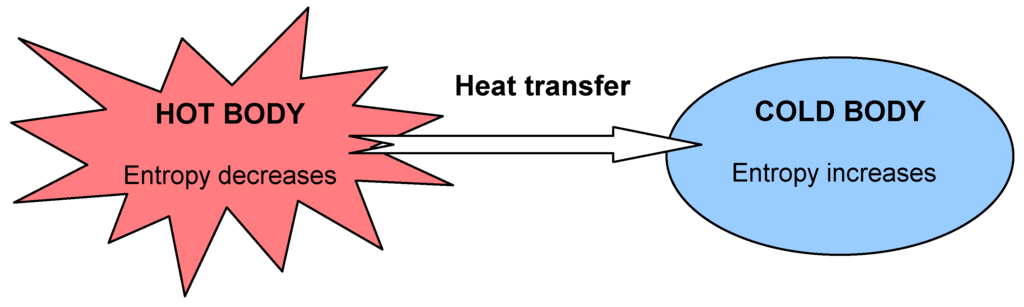
In the previous analysis of the Raum archetype, we explored the necessity of ‘Controlled Dismantling’—the deliberate stripping away of outdated dignities. But there is a silent killer lurking behind the entropy of high-performance systems that is often overlooked: the institutionalization of comfort. While Raum represents the destruction of external dignities, the true strategic battle is often internal. It is the war against the calcification of the corporate soul.
The Illusion of Stability as a Strategic Poison
Many executives view stability as the ultimate goal. They build structures, HR policies, and reporting cadences designed to eliminate variance. However, in an age of exponential disruption, variance is not a threat—it is the source of competitive intelligence. When you optimize for stability, you inadvertently create a feedback loop where the organization begins to prioritize the protection of its internal processes over the adaptation to external reality.
This is where the ‘Raum’ framework takes on a darker, more necessary hue. You aren’t just pruning assets; you are actively inducing controlled volatility to prevent systemic rot.
The Theory of Strategic Friction
If you remove all friction from an organization, you don’t get efficiency; you get stagnation. Friction is the heat generated by the intersection of high-talent individuals working on disparate, complex problems. When leaders force ‘alignment’ too early, they kill the synthesis required for innovation. The most dangerous phrase in any boardroom is, ‘We’re all on the same page.’ If everyone is on the same page, no one is looking at the margins where the real breakthroughs occur.
A more sophisticated approach is to manage Dynamic Dissent:
Institutionalize Disagreement: Build ‘Red Team’ cycles into your project planning. Do not ask for consensus; ask for the structural vulnerabilities of your current strategy.
The 70/30 Resource Split: Allocate 70% of resources to the known, revenue-driving ‘dignities,’ and 30% to high-volatility projects that are designed to potentially cannibalize your own core business. If your R&D doesn’t scare your current sales team, it isn’t ambitious enough.
Counter-Intuitive Hiring: Stop hiring for ‘culture fit.’ Hire for ‘cultural contrast.’ You need operators who possess the technical DNA to execute the vision, but who share none of the cognitive biases of your existing leadership team.
Beyond Reconciliation: The Art of Generative Schism
The original Raum framework suggests the ‘reconciliation of opposites.’ However, a contrarian perspective posits that some opposites should never be reconciled. They should be leveraged to create a dual-track organization. The friction between your legacy profit center and your disruptive venture is not a problem to be solved; it is a voltage difference to be harnessed.
Do not attempt to blend these cultures. Keep them in a state of productive tension. The legacy side provides the capital and the mandate, while the disruptive side provides the pressure that prevents the legacy side from succumbing to the ‘sunk cost’ fallacy.
The CEO as the Architect of Chaos
If you are a leader, your role is not to be a stabilizer. It is to be the conductor of controlled entropy. You must be comfortable with the discomfort of your organization. When the company feels ‘too stable,’ it is time to dismantle a legacy protocol, reorganize a high-performing team, or launch a product that forces a pivot in the core value proposition. Your job is to keep the system in a state of ‘productive decay’—where the old is constantly being cycled into the new, preventing the solidification that precedes a total system failure.
The market will eventually destroy your ‘dignities.’ The question is whether you will be the one holding the hammer, or the one being crushed by the weight of your own success.
Outline Introduction: The shift from “black box” AI to accountable systems. Key Concepts: Defining risk-based classification and the “Explainability-Impact” trade-off.…
Stop viewing yourself as an outsider to your organization. Learn how to master the unseen influencers and hidden hierarchies within your own business system.