
smart-contracts
-

Formal Verification of Smart Contracts: Mathematical Security
Learn how formal verification uses mathematical proofs to guarantee smart contract security, preventing critical vulnerabilities before deployment in DeFi systems.
-

Securing Collective Assets: Guide to Multi-Signature Wallets
Learn how to secure treasury assets using multi-signature wallets. This guide covers M-of-N signature mechanics, governance best practices, and DAO security.
-

Securing DeFi: Guide to Automated Smart Contract Auditing
Learn how to secure decentralized finance protocols using automated smart contract auditing. Follow our step-by-step guide to integrate security into your workflow.
-

Smart Contract Upgradeability: Secure Proxy Patterns Guide
Learn to implement secure smart contract upgradeability using Proxy and UUPS patterns to fix bugs and evolve your DeFi protocol without compromising user data.
-
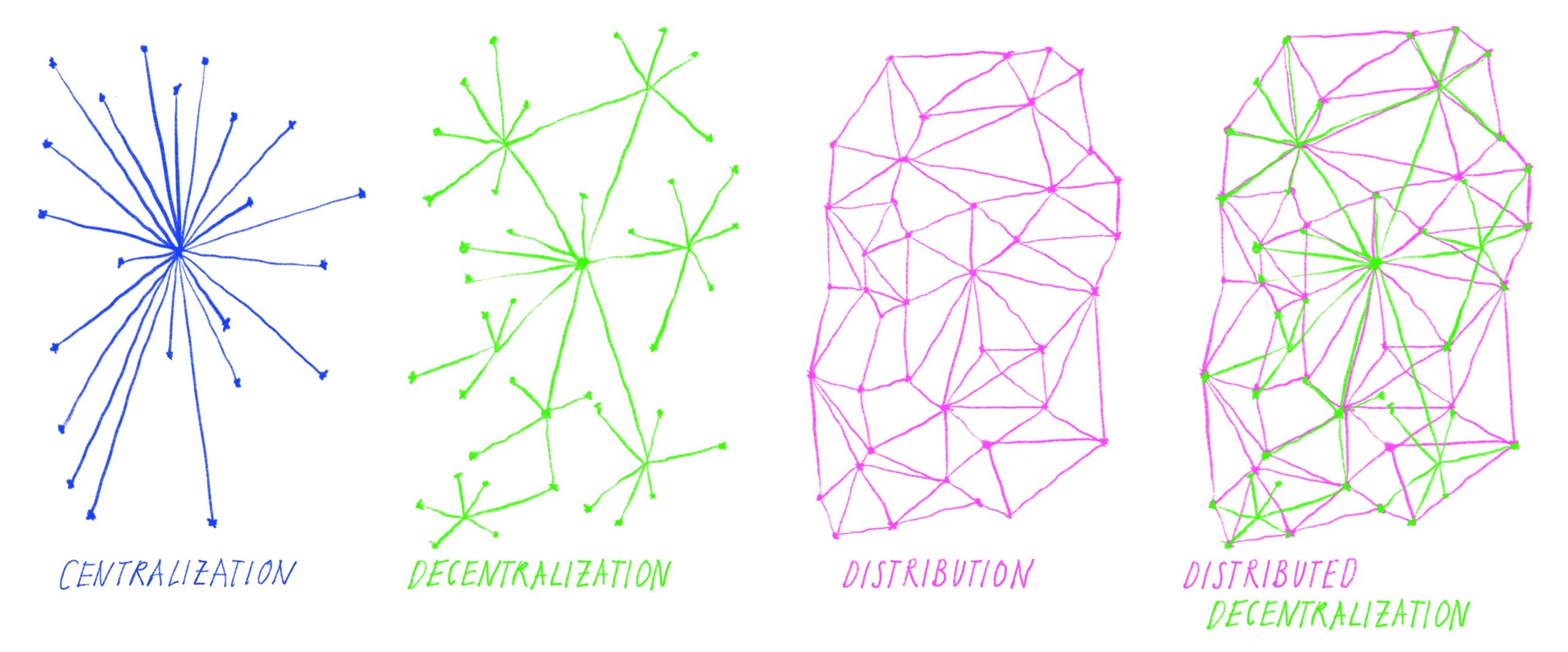
Decentralized Governance: A Guide to DAOs and Protocol Evolution
Explore the architecture of decentralized governance. Learn how DAOs, token-weighted voting, and smart contracts shape the future of community-owned protocols.
-

Preventing Reputation Fraud with Cryptoeconomic Security
Learn how cryptoeconomic security uses staking and slashing to prevent reputation fraud, ensure data integrity, and build trust in decentralized protocols.
-
Scaling Blockchains: A Guide to State Channels & Web3 Speed
Discover how state channels solve blockchain scalability by moving transactions off-chain. Learn the mechanics, benefits, and use cases for the future of Web3.
-

Automating Trust: Smart Contracts for Service Token Escrow
Discover how smart contracts automate service token escrow, replacing traditional middlemen with immutable code to ensure secure, verifiable digital transactions.
-

Time-Banking & DLT: Building Scalable Community Economies
Discover how Distributed Ledger Technology (DLT) provides the infrastructure to scale time-banking, turning social capital into a verifiable global asset.
-

How to Contest Reputation Assessments via Decentralized Protocols
Learn how to challenge inaccurate reputation assessments using decentralized protocols, blockchain evidence, and smart contract dispute resolution mechanisms.