Contents1. Introduction: Defining the shift from centralized corporate control to decentralized protocol governance.2. Key Concepts: Deconstructing DAOs, token-weighted voting, and the “Code is Law” ethos.3. Step-by-Step Guide: How participants engage in the governance lifecycle (proposal, debate, voting, execution).4. Real-World Applications: Case studies of major protocols (e.g., Uniswap, MakerDAO) and their impact on ecosystem evolution.5. Common Mistakes: Identifying voter apathy, whale manipulation, and governance attacks.6. Advanced Tips: Implementing delegation, quadratic voting, and off-chain signaling.7. Conclusion: The future trajectory of decentralized governance and its role in the Web3 stack.***
The Architecture of Decentralized Governance: How DAOs Shape Protocol Evolution
Introduction
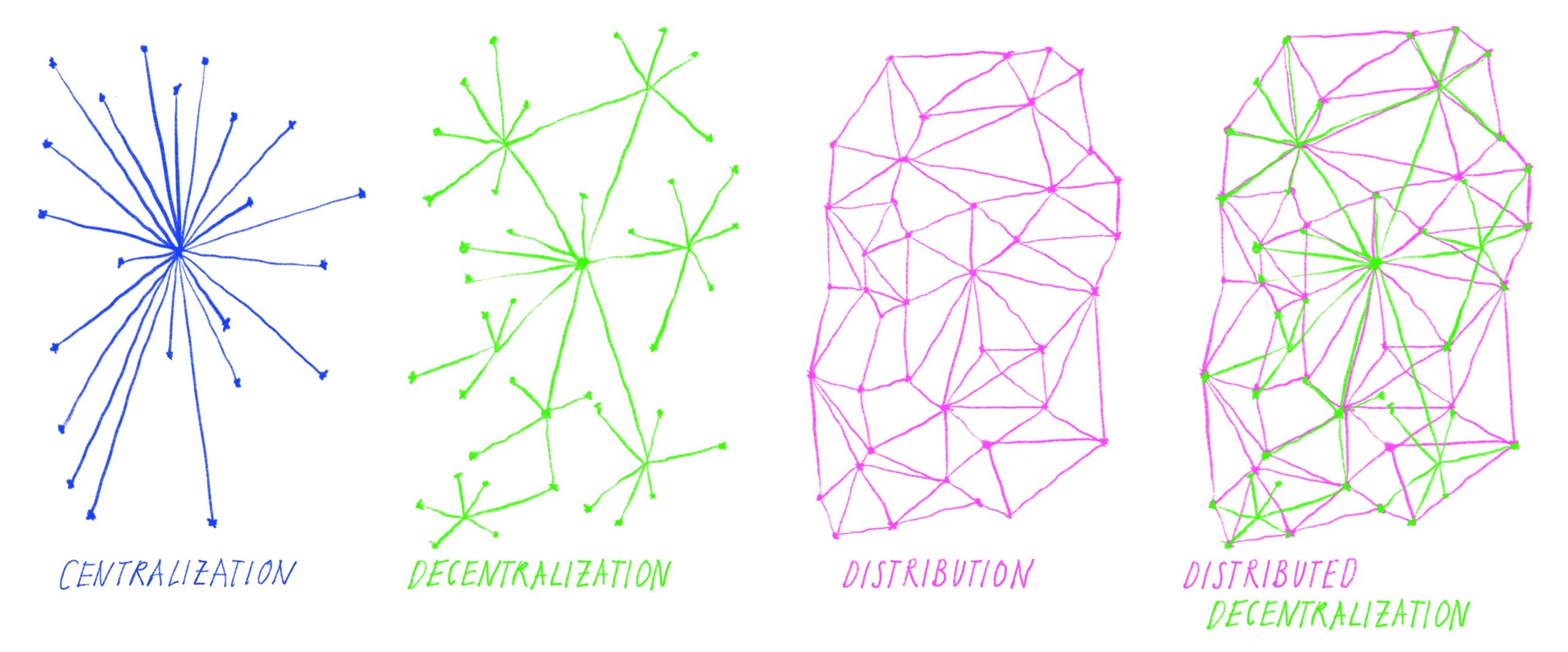
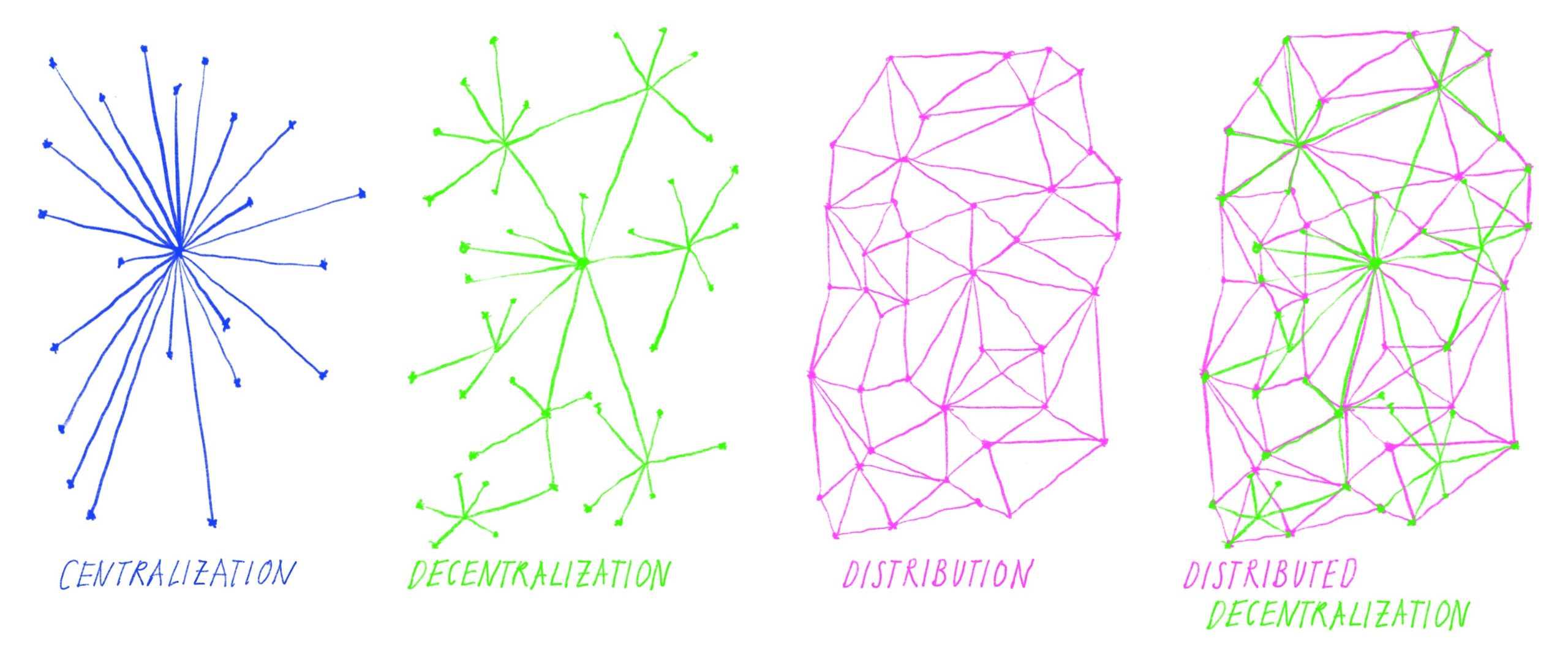
For decades, software development and organizational management were top-down affairs. A central team, a board of directors, or a single founder dictated the roadmap, the fee structures, and the security parameters of a product. In the blockchain era, this paradigm is shifting toward decentralized governance. When we say that the governance of an underlying protocol is managed via a Decentralized Autonomous Organization (DAO), we are describing a fundamental transformation: the transition from “company-led” to “community-owned” infrastructure.
Understanding how these systems function is no longer just for developers; it is essential for investors, users, and stakeholders who want to participate in the value creation of the next generation of financial and social protocols. Governance is the lifeblood of a protocol—it determines its long-term survival, its ability to innovate, and its resilience against external threats.
Key Concepts
At its core, a DAO is an organizational structure governed by smart contracts rather than a traditional legal entity. Instead of a CEO, the protocol is governed by a set of rules encoded on the blockchain, which are enforced by the consensus of its token holders.
Token-Weighted Governance: This is the most common model, where users hold a governance token (e.g., UNI, MKR, COMP) that acts as a voting share. The more tokens an individual holds, the more weight their vote carries. This aligns the incentives of the stakeholders with the success of the protocol—if the protocol succeeds, the tokens appreciate in value.
The Proposal Lifecycle: Governance is not a static state; it is a continuous process. It begins with a “Temperature Check” or an informal discussion, moves to a formal proposal, enters a voting period, and, if passed, results in an automated execution via on-chain code. The “autonomous” part of the DAO means that once the vote concludes, the smart contract automatically implements the change (such as adjusting interest rates or upgrading a security module) without requiring a human administrator to manually intervene.
Step-by-Step Guide: Participating in Protocol Governance
If you are holding governance tokens, you are essentially a shareholder in a protocol. Here is how you can actively participate in the governance lifecycle:
Monitoring Governance Forums: Before a vote even hits the blockchain, it is debated on forums like Discourse. Read these discussions to understand the nuance behind proposed changes. This is where the technical and social implications are hashed out.
Delegating Voting Power: If you do not have the time to research every proposal, many protocols allow you to “delegate” your voting power to a subject matter expert or a reputable community member. This ensures your tokens are used effectively without requiring you to be a full-time researcher.
Reviewing Formal Proposals (Snapshot/On-Chain): When a proposal is officially put to a vote, review the technical documentation. Does this change the protocol’s risk profile? Does it benefit a small subset of users at the expense of the majority?
Casting Your Vote: Use your wallet to interact with the governance dashboard. Your vote is recorded on the blockchain, creating an immutable audit trail of how the community decided to move forward.
Monitoring Execution: After the vote passes, ensure the “Timelock” period expires and the changes are successfully implemented. If the proposal involves code changes, verify that the hash of the executed code matches the original proposal.
Examples and Real-World Applications
MakerDAO (The Stability Example): MakerDAO manages the DAI stablecoin. Its governance model allows token holders to vote on “Collateral Types.” When the market experiences extreme volatility, MakerDAO voters must decide whether to adjust the debt ceiling or the stability fee to keep DAI pegged to the US Dollar. This is a real-world example of a global, decentralized bank operating without a central headquarters.
Uniswap (The Protocol Upgrade Example): Uniswap is a decentralized exchange. Its governance has allowed the community to vote on fee switches and the deployment of the protocol to new blockchain networks (like Polygon or Arbitrum). This demonstrates how governance allows a protocol to expand its reach and adapt to market demand rapidly, without waiting for corporate board approval.
Common Mistakes
Decentralized governance is still an experimental field. Avoid these common pitfalls to ensure you are contributing to a healthy ecosystem:
Voter Apathy: The most significant risk to any DAO is a lack of participation. When only a small fraction of tokens are used to vote, the protocol becomes vulnerable to “governance capture,” where a small group can push through changes that serve their own interests.
Ignoring the “Whale” Factor: Large token holders (whales) can dominate votes. Relying solely on token-weighted voting can lead to plutocracy. Savvy participants should look for protocols that utilize “Quadratic Voting” or other mechanisms to balance the influence of small versus large holders.
Falling for Governance Attacks: Be wary of proposals that seem too good to be true. Some attackers propose “security upgrades” that actually contain malicious backdoors. Always verify the code underlying the proposal before voting “Yes.”
Misunderstanding the Timelock: Many protocols have a “timelock” delay between a vote passing and the code execution. Users who panic-sell because they misunderstand this delay often miss out on the stability the protocol is designed to provide.
Advanced Tips
To move from a passive token holder to an active governance participant, consider these advanced strategies:
Use Off-Chain Signaling: Many DAOs use platforms like Snapshot for off-chain voting. These votes are free (no gas fees) and serve as a preliminary gauge of community sentiment. Participate in these to help shape the direction before the expensive on-chain votes occur.
Support Governance Sub-DAOs: Modern protocols are moving toward a modular structure where specific sub-DAOs handle specialized tasks, such as protocol treasury management or security audits. Joining or following these smaller groups provides deeper insight into the protocol’s health than reading general announcements.
Understand Quadratic Voting: If you are involved in a protocol that uses quadratic voting, recognize that the cost of each additional vote increases exponentially. This model is designed to protect minority interests. Strategize your participation to maximize the impact of your voting power within these specific mathematical frameworks.
Conclusion
The governance of an underlying protocol via a DAO structure is the foundation of the decentralized web. It replaces the opacity of corporate boardrooms with the transparency of the blockchain, allowing users to become active participants in the systems they rely on. While the process requires diligence, research, and a clear understanding of the risks, it offers a level of agency that was previously impossible in traditional finance and software development.
By staying informed, holding your delegates accountable, and participating in the debate, you aren’t just using a protocol—you are helping to govern it. As the technology matures, these governance structures will likely become the standard for how we coordinate and scale global digital resources.





One thought on “Decentralized Governance: A Guide to DAOs and Protocol Evolution”