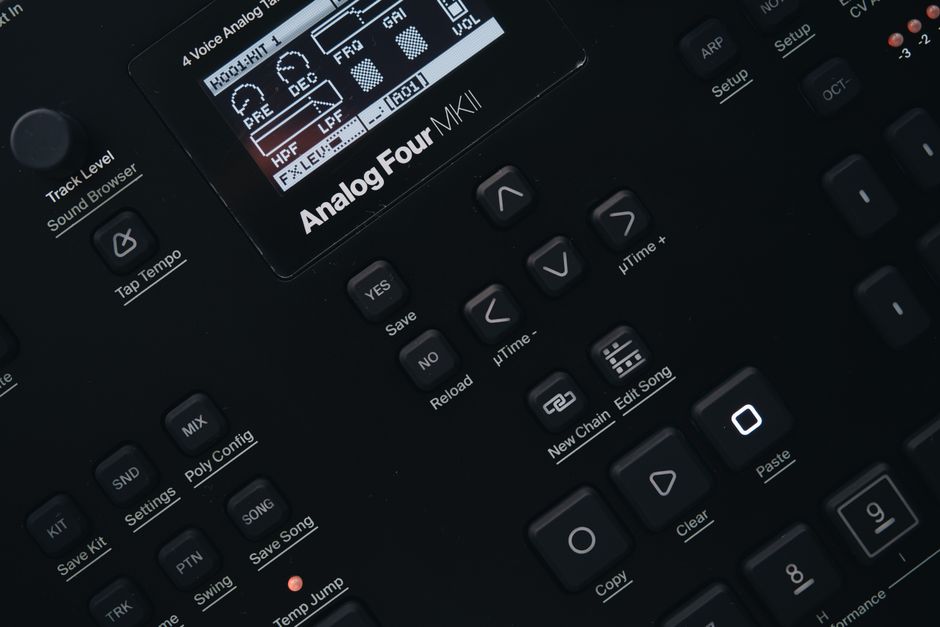
Most leaders treat their physical environment as a static backdrop to their professional performance. They view offices, equipment, and personal assets as mere utility—things to be acquired, maintained, or upgraded. This is a strategic oversight. Materialism, when stripped of its consumerist stigma and redefined through the lens of operational excellence, is not about the accumulation of goods. It is about the deliberate curation of your physical reality to maximize cognitive throughput and execution speed.
The Physics of Decision Fatigue
Your environment is an external hard drive for your brain. Every object in your workspace occupies a portion of your subconscious processing power. When your physical surroundings are cluttered or misaligned with your objectives, you suffer a persistent “background process” drain. This is the hidden cost of unmanaged materialism.
High-performance thinkers understand that physical matter influences psychological state. A decision-making framework that ignores the impact of one’s environment is incomplete. If your tools—whether that is your hardware, your office layout, or the physical constraints of your workspace—are friction-heavy, you are paying a tax on every decision you make. Reducing the physical friction in your life is not an act of indulgence; it is an act of high-level systems optimization.
Strategic Curation Over Passive Acquisition
The trap of materialism is the transition from “active tool selection” to “passive accumulation.” When you acquire items without a specific operational intent, you create an overhead that eventually demands more energy to maintain than it provides in utility. This is the antithesis of strategy.
True material mastery requires a ruthless audit of your assets. Ask three questions of every significant physical item in your professional life:
Does this object increase the speed of my primary output?
Does this object reduce the cognitive load required to initiate a task?
If an item cannot be justified through these criteria, it is not an asset; it is a liability. It occupies space, demands attention, and dilutes your focus.
The Cognitive Architecture of Environment
The most effective leaders design their physical environment to enforce their desired behaviors. If you want to cultivate deep work, your physical environment must reflect that intent through minimalism and accessibility. If you want to foster collaboration, your space must be engineered to remove the barriers to spontaneous interaction.
This is where AI and modern technology intersect with the physical world. We are entering an era where the interface between the digital and physical is becoming increasingly seamless. Leaders who fail to integrate their physical tools with their digital workflows will find themselves outpaced by those who treat their office as a unified, optimized engine. Your hardware, your desk, your lighting, and even the physical ergonomics of your chair are data points in the equation of your daily productivity.
Execution Through Physical Intent
Materialism is a tool for execution. When you surround yourself with objects of high quality that serve a singular purpose, you signal to your own brain that the work you are performing is of high consequence. This is not about status; it is about priming. A professional workspace, equipped with high-fidelity tools, creates a feedback loop of competence.
Stop viewing your environment as an afterthought. Start viewing it as a critical infrastructure project. The items you choose to inhabit your space should be the ones that provide the highest return on attention. By curating your material world with the same intensity you apply to your P&L statements, you create an environment that does not just house your work—it propels it.