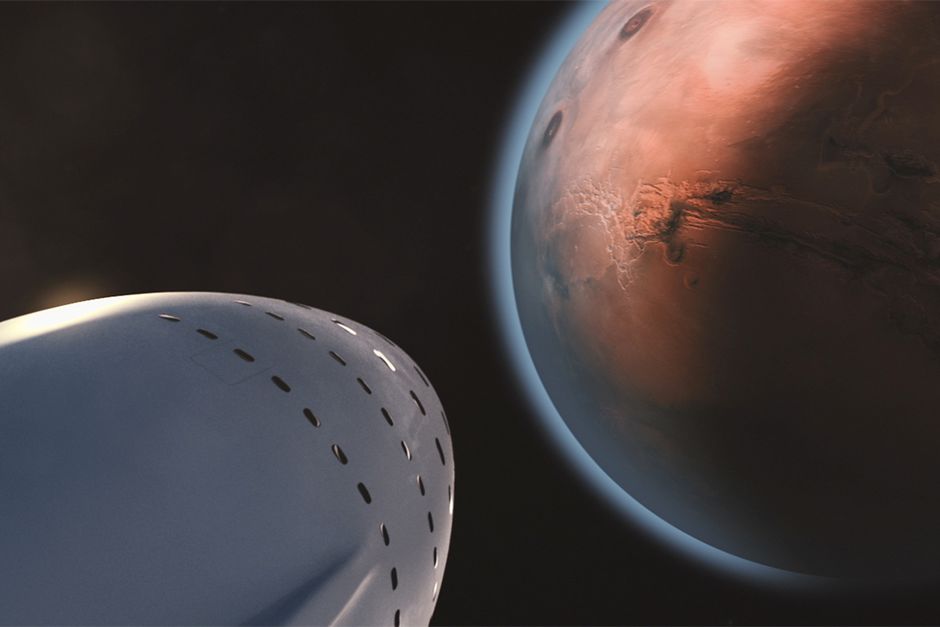
Humanity is approaching a threshold where the survival of our civilization will no longer be determined by terrestrial resource management, but by our ability to execute a multi-planetary expansion. This is not a matter of idealism or scientific curiosity; it is a fundamental challenge of risk management and strategic contingency planning. If we remain a single-planet species, we are effectively keeping all of our eggs in one basket—a basket that is increasingly vulnerable to both systemic collapse and external astronomical events.
For leaders and organizations, planetary immigration represents the ultimate test of long-term strategic planning. It requires moving beyond the quarterly mindset and into the realm of multi-generational execution. When we discuss expanding beyond Earth, we are discussing the architecture of new societies, the logistics of interplanetary supply chains, and the fundamental re-engineering of human operations.
The Operational Reality of Off-World Expansion
Building a self-sustaining colony on Mars or elsewhere in the solar system is an exercise in extreme operational excellence. On Earth, we benefit from a massive, self-correcting ecosystem that provides air, water, and thermal regulation for free. In space, every cubic meter of breathable air is a manufactured product. Every calorie of food is a result of a highly engineered closed-loop system.
This reality imposes a rigid discipline on operational excellence. When the cost of failure is total, decision-making processes must be stripped of bureaucracy and optimized for rapid, data-driven action. We can learn from this in our current business environments: how much of our current “necessities” are actually inefficiencies that we have simply grown accustomed to? Planetary immigration forces us to distinguish between core survival requirements and luxury overhead.
Decision-Making Under Infinite Constraints
The primary constraint of interplanetary travel is physics, but the primary constraint of planetary immigration is governance and resource allocation. How do you manage a population that is months or years away from the nearest central authority? This creates a unique challenge in leadership and decision-making.
Centralized command structures fail when latency exceeds the speed of communication. Therefore, any successful expansion requires the radical decentralization of authority. Colonists must be empowered to make high-stakes decisions without waiting for input from Earth-based headquarters. This shift mirrors the modern transition toward autonomous, high-performing teams. If your organization requires a central “Earth” to approve every move, it is not optimized for growth; it is optimized for stagnation.
The Role of AI in Planetary Infrastructure
Human cognition alone cannot manage the complexity of an off-world habitat. We are talking about millions of data points—atmospheric sensors, structural integrity monitors, energy distribution grids, and genetic health tracking. This is where artificial intelligence becomes a critical component of the infrastructure rather than just an efficiency tool.
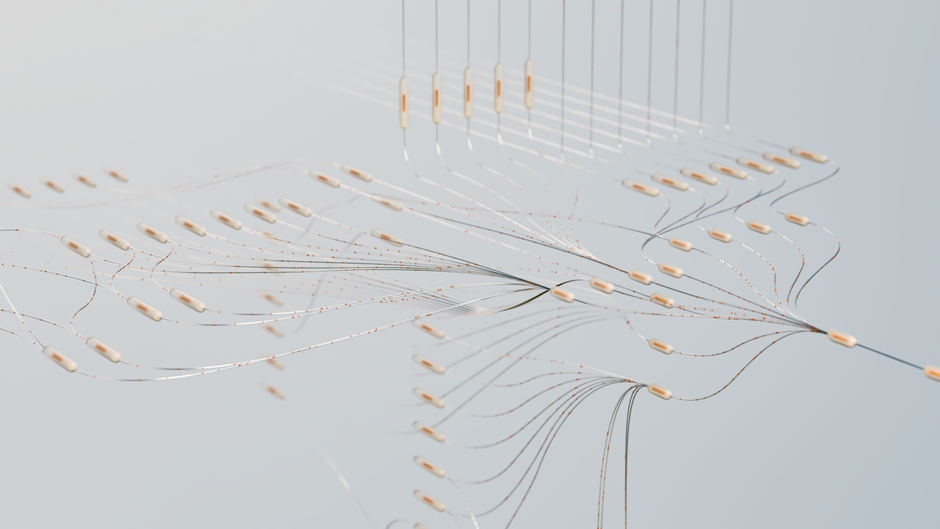
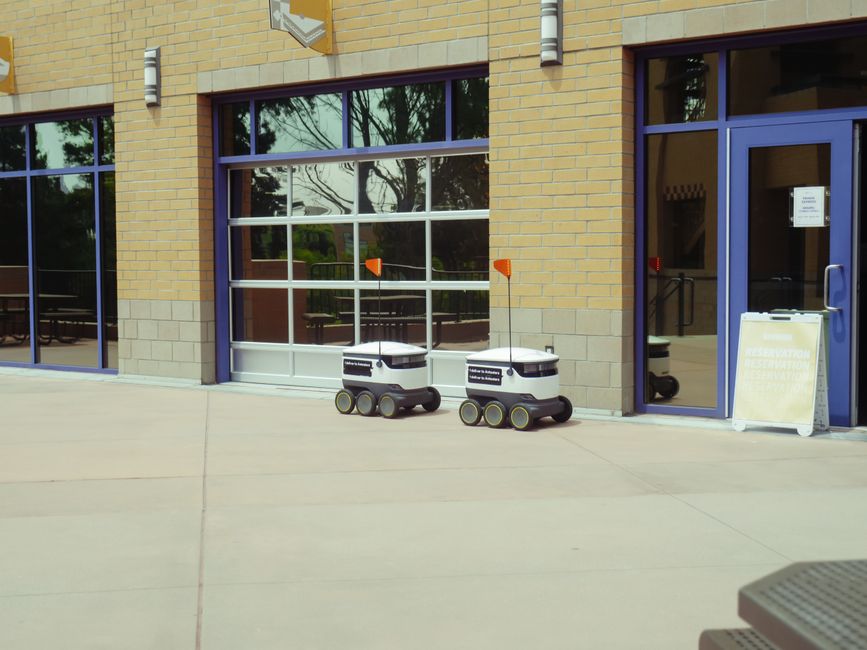
AI serves as the “nervous system” of a planetary colony. It manages the preemptive maintenance required to prevent catastrophic failure, simulates potential outcomes to guide human decision-making, and manages the automated fleets required for resource extraction. In the context of high-performance thinking, AI allows us to offload the cognitive burden of system maintenance so that human leaders can focus on the higher-order problems of social cohesion and future-state visioning.
Execution and the Multi-Planetary Future
The transition to a multi-planetary species will not be driven by government mandates alone. It will be driven by the convergence of private capital, technological breakthroughs, and a ruthless commitment to execution. The companies and leaders who master the logistics of orbital transport, in-situ resource utilization, and closed-loop life support will set the standard for the next century of human development.
Success in this arena requires a departure from traditional, incremental growth models. It requires the courage to invest in technologies that offer no immediate return on investment but provide the necessary foundation for future viability. This is the essence of high-performance thinking: recognizing that the most valuable assets are those that secure the future, even when the present seems perfectly stable.