1. Introduction: The crisis of trust in AI and algorithms; why current “black box” audits fail.
2. Key Concepts: Defining “Open-Source Ethical Auditing” and the shift from proprietary compliance to public transparency.
3. Step-by-Step Guide: How to build an open-source audit protocol (Community, Frameworks, Testing, Disclosure).
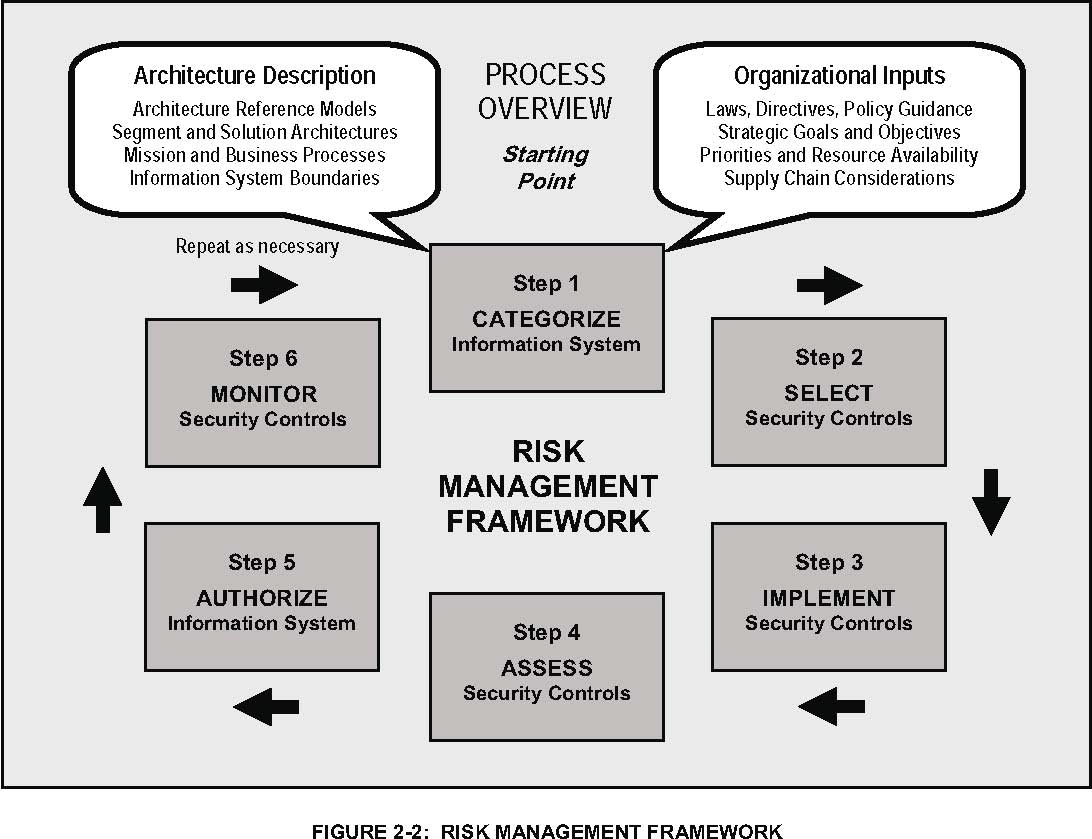
4. Case Studies: Where open collaboration has worked (e.g., NIST AI RMF, browser security audits).
5. Common Mistakes: The pitfalls of “Ethics Washing” and siloed development.
6. Advanced Tips: Implementing automated bias detection and cryptographic verifiability.
7. Conclusion: The strategic imperative for radical transparency.
***
The Case for Open-Source Ethical Audit Protocols: Moving Beyond Proprietary Black Boxes
Introduction
We are currently living through an era of algorithmic governance. From credit scores and hiring filters to medical diagnostic tools and predictive policing, the decisions shaping human lives are increasingly delegated to automated systems. Yet, for most organizations, the “auditing” of these systems remains a private, proprietary affair. Companies self-certify their ethics behind closed doors, often using internal frameworks that lack external validation or public accountability.
This “black box” approach to algorithmic ethics is fundamentally unsustainable. As systems grow more complex, the risk of hidden biases, catastrophic failures, and privacy erosion rises. To regain public trust and ensure technological safety, we must transition toward standardized ethical audit protocols developed through open-source collaboration. By treating ethical guardrails as public infrastructure rather than corporate intellectual property, we can create a safer, more transparent digital future.
Key Concepts
What is an Open-Source Ethical Audit? An open-source ethical audit protocol is a publicly available, community-vetted set of criteria, testing methodologies, and reporting standards used to evaluate the fairness, transparency, and safety of an algorithmic system.
The Shift from Proprietary to Public: Currently, auditing is treated as a compliance checkbox. Organizations hire expensive consultants who use private tools to verify that a system meets internal goals. In contrast, an open-source approach mirrors the development of software like Linux or the Apache web server. It invites external researchers, ethicists, and affected communities to contribute to the testing standards, ensuring that the “rules of the road” are not dictated by the car manufacturer alone.
Why Collaboration Matters: Ethical risks like demographic bias, data poisoning, or model hallucination are not unique to one company. They are structural. When protocols are developed in the open, the entire industry benefits from collective intelligence. A flaw discovered in a widely used auditing framework can be patched for everyone simultaneously, much like a cybersecurity vulnerability.
Step-by-Step Guide to Implementing Open-Source Audits
Transitioning to a transparent auditing culture requires a shift in engineering and policy mindset. Here is how organizations can contribute to and adopt these protocols:
Establish a Shared Taxonomy: Start by contributing to open-source definitions of what constitutes “fairness” or “accuracy” for your industry. Use public repositories like GitHub to host working documents that define metrics for bias (e.g., demographic parity or equal opportunity).
Build Modular Testing Suites: Move away from monolithic audit tools. Develop small, interoperable code libraries that test for specific issues—such as input validation, training data drift, or adversarial robustness. By making these libraries open source, you allow for continuous community peer review.
Implement Red-Teaming Collaborations: Invite external researchers to stress-test your protocols in a sandbox environment. Create a “Bug Bounty” program specifically for ethical failures, rewarding those who identify hidden biases in the system’s logic.
Publish Disclosure Templates: Adopt standardized, open-source reporting templates (similar to nutrition labels for AI). These templates should detail the data provenance, model limitations, and the specific audit procedures used, allowing stakeholders to compare systems objectively.
Enable Cryptographic Verification: Utilize blockchain or immutable ledger technologies to log the audit trail. When audit results are public and cryptographically verifiable, it becomes impossible for a company to “fudge” the numbers retroactively.
Examples and Case Studies
NIST AI Risk Management Framework (RMF): While not strictly a code-based open-source project, the NIST RMF is a prime example of open-collaboration policy. By soliciting input from thousands of stakeholders—including civil society, academia, and private industry—NIST created a flexible, globally recognized standard that organizations can adapt to their specific needs. It proves that consensus on ethics is possible when the process is inclusive.
Browser Security Audits: The security industry is the gold standard for this. Open-source protocols like HTTPS and TLS, combined with open peer review of browser code, have made the modern internet possible. When a vulnerability is found, the global developer community collaborates on a fix. Applying this same “many eyes” theory to algorithmic ethics could similarly harden our social and decision-making systems against bias and manipulation.
Common Mistakes
Ethics Washing: Companies often release “ethics manifestos” that sound good but lack technical teeth. An open-source protocol must include executable code and measurable data points, not just corporate marketing language.
The “Closed Loop” Trap: Attempting to build an “open” protocol while keeping the core testing methodology internal. If the community cannot inspect the testing logic, it is not an open-source audit; it is simply a proprietary audit with a public PR campaign.
Ignoring Diverse Perspectives: Ethical audits often fail because they only consider the perspective of the developer. An audit protocol that doesn’t incorporate the feedback of marginalized groups—who are most likely to be harmed by biased algorithms—is fundamentally incomplete.
Over-Complication: Designing a protocol so complex that only PhD-level mathematicians can understand it. To be effective, the protocol must be accessible to regulators, journalists, and end-users.
Advanced Tips
Integrate “Human-in-the-Loop” Logic: Advanced audit protocols should include qualitative feedback loops. Use open-source tooling to gather and categorize user sentiment and real-world impact reports, feeding these back into the quantitative audit data.
Create Cross-Platform Benchmark Datasets: One of the most effective ways to audit a model is to compare it against a standardized, open-source dataset. If every organization uses the same “gold standard” benchmark to test for gender or racial bias, you eliminate the ability for companies to choose “easy” test data that makes their models look better than they actually are.
Automated Continuous Auditing: Treat ethics like CI/CD (Continuous Integration/Continuous Deployment). Integrate your open-source audit scripts into your development pipeline so that every time a model is updated, the ethical benchmarks are automatically re-run. This prevents “model drift,” where a model becomes unethical over time due to changing real-world data patterns.
Conclusion
The development of standardized, open-source ethical audit protocols is not merely a technical necessity—it is a societal imperative. As we continue to integrate artificial intelligence into the core functions of our democracy and economy, we can no longer afford to leave the definition of “ethical” to individual companies acting behind closed doors.
By shifting to an open-source model, we democratize the ability to hold powerful systems accountable. We move the conversation from “Trust us, we did an audit” to “Review our audit protocols and verify the results yourself.” This transition will not be easy; it requires a commitment to transparency that many organizations currently find uncomfortable. However, the result—a more resilient, fair, and trustworthy technological landscape—is the only way to ensure that the tools of the future serve the interests of all, rather than the few.
The code is ready to be written. The community is waiting to contribute. It is time to open the black box.