Collaborative Design: Why Involving Stakeholders Early is Essential for Success
Introduction
In the world of project management and product development, there is a pervasive and costly myth: that stakeholders should remain on the sidelines until a prototype or a polished deliverable is ready for review. This approach, while intended to streamline production, often leads to a phenomenon known as “the feedback trap.” You build what you think is a perfect solution, only to discover at the eleventh hour that it fails to address the actual, nuanced needs of the end-user.
Involving stakeholders during the design phase is not merely a formality; it is a strategic risk-mitigation tactic. By integrating diverse perspectives at the outset, teams can identify critical information gaps—those hidden blind spots where assumptions clash with reality—before a single line of code is written or a physical model is cast. This article explores how to transform stakeholders from periodic reviewers into active design partners, ensuring that the final output provides genuine value.
Key Concepts
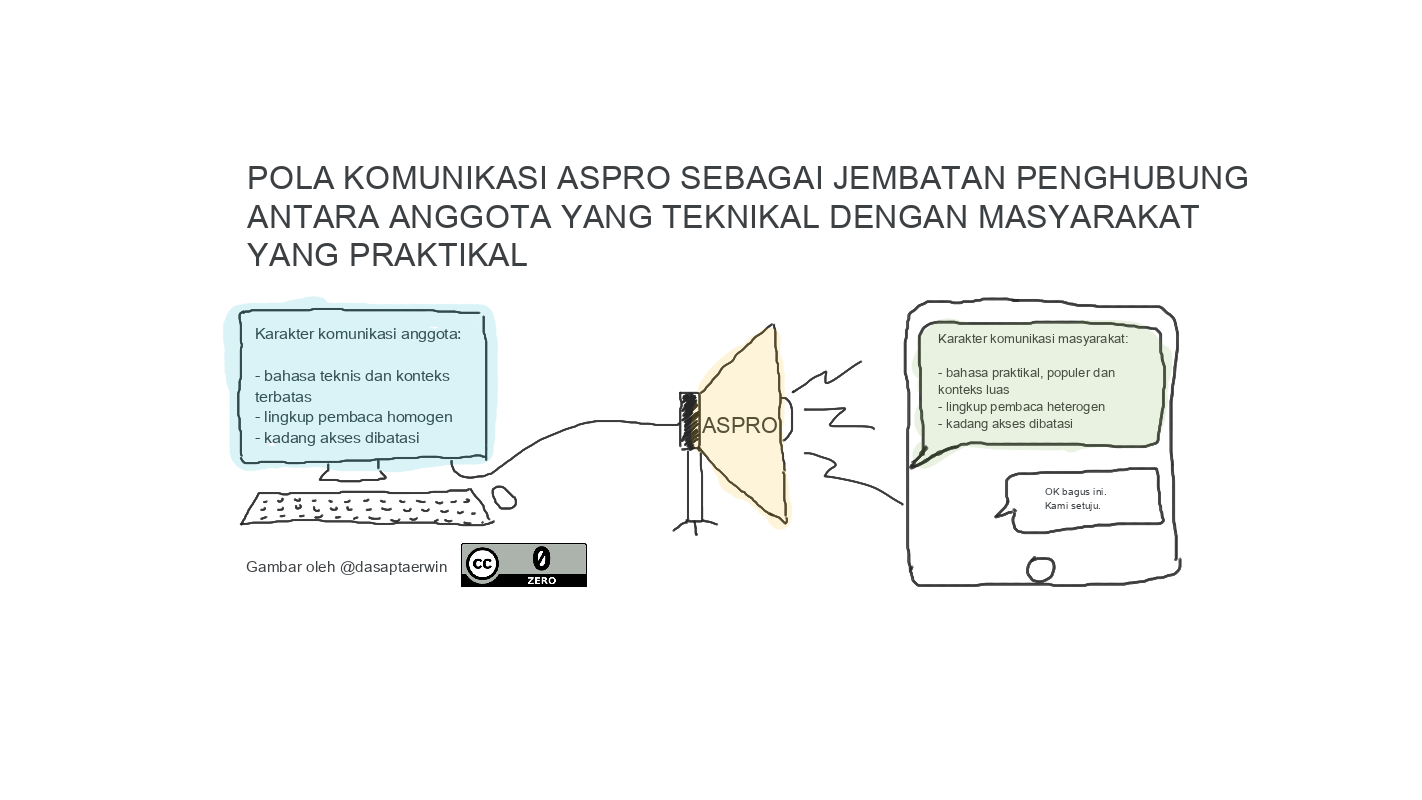
To understand why early involvement is vital, we must first define the core concept of the Information Gap. In any complex project, there is a delta between what the technical team knows and what the stakeholders (who possess domain expertise) understand. If this gap is not bridged during the design phase, the resulting project will suffer from “feature creep” or, worse, obsolescence.
Design-Phase Collaboration shifts the stakeholder’s role from evaluator to co-designer. It focuses on gathering the “unknown unknowns”—the variables that the technical team isn’t even aware they are missing. When you invite stakeholders to participate in mapping out requirements, you are essentially stress-testing your design logic against the realities of their daily operations, budget constraints, and long-term organizational goals.
Step-by-Step Guide: Integrating Stakeholders into Design
Identify the True Stakeholders: Do not limit your circle to those with a title. Include the “boots-on-the-ground” users who will actually interact with the system daily. Their practical insights often trump executive mandates regarding functionality.
Conduct a “Pre-Mortem” Session: Before the design begins, host a workshop where stakeholders are asked to envision a scenario where the project has already failed. Ask them: What caused the failure? What information were we missing that led to this? This reverses the psychological bias of optimism and exposes critical gaps.
Utilize Low-Fidelity Prototyping: Present wireframes or rough sketches rather than high-fidelity mockups. When designs look “finished,” stakeholders feel they can only critique aesthetics. When they look like works-in-progress, stakeholders feel comfortable questioning the underlying logic and information flow.
Formalize the “Information Needs” Matrix: Create a living document where each design feature is mapped to a specific stakeholder requirement. If a feature exists but cannot be linked to a gap identified by a stakeholder, reconsider its necessity.
Facilitate Iterative Feedback Loops: Move away from a “sign-off” culture to a “check-in” culture. Schedule brief, frequent touchpoints rather than massive, infrequent reviews. This keeps the design aligned with shifting priorities.
Examples and Case Studies
Consider a large-scale software implementation for a healthcare provider. The IT team designed a dashboard focused on “speed of input.” However, once they brought nurses into the design phase, the stakeholders highlighted a massive information gap: the system didn’t account for the high-stress, low-lighting environment of night shifts. The “clean” design was unusable in practice. By involving the nurses early, the team pivoted to high-contrast, voice-activated inputs—a feature that wouldn’t have been discovered until post-launch without stakeholder intervention.
The cost of fixing an error during the design phase is roughly 10% of what it would cost to fix it after development begins. The cost of ignoring stakeholder input is often the failure of the project itself.
In another instance, a manufacturing company sought to automate a logistics workflow. The stakeholders (floor managers) identified that the design lacked “manual override” capabilities for specific supply chain irregularities. The engineers assumed the automation would handle all cases. By identifying this gap early, the team saved months of re-coding that would have been required if the system had launched as a purely autonomous platform.
Common Mistakes
“The Silo Trap”: Engaging stakeholders from only one department. If you only talk to Finance, you miss the operational challenges of the Logistics team. Always aim for a multi-disciplinary stakeholder group.
Over-Engineering the Feedback Process: Making the feedback loop too complex—such as requiring 50-page sign-off documents—will lead to “rubber-stamping,” where stakeholders sign off without actually reviewing the material.
Ignoring the “No”: Sometimes, stakeholders provide feedback that is out of scope or contradictory. The mistake is accepting all feedback at face value. Use stakeholders to identify the problem (the gap), but allow the design team to maintain ownership of the solution.
Ignoring Stakeholder Bias: Understand that every stakeholder has an agenda. Distinguish between an objective “information gap” and a personal “preference.” Focus your energy on the former.
Advanced Tips
To reach a professional level of collaborative design, adopt Contextual Inquiry. Do not just talk to stakeholders in a boardroom; observe them in their native environment. By watching how a stakeholder interacts with existing processes, you will notice “workarounds”—the unspoken methods they use to fill existing information gaps. These workarounds are the most valuable data points you can gather during the design phase.
Additionally, implement a “Design Decision Log.” Whenever a stakeholder provides feedback that changes the direction of a design, document the “why.” This prevents future confusion and acts as a historical record, helping you understand how the project evolved. If a project runs into trouble later, you can look back at the log to see which stakeholder identified which gap, allowing for faster course correction.
Conclusion
Involving stakeholders in the design phase is an investment that pays significant dividends in speed, accuracy, and user adoption. By treating stakeholders as essential partners in identifying information gaps, you move the project from a guessing game to a calculated, value-driven execution.
Start small: invite one key user into your next design brainstorming session. Focus on listening for the problems they solve every day that you haven’t accounted for. Remember, the goal is not to have a design that everyone agrees with immediately, but a design that is robust enough to survive the complexities of the real world. By bridging the information gap early, you ensure that when you launch, you aren’t just delivering a product—you’re delivering a solution that actually works.