Somatic Sabotage: Why Your Rational Brain is the Last to Know You’re Failing
— by
Steven Haynes
In the high-stakes theater of the C-suite, we pride ourselves on radical objectivity. We build our careers on the ability to strip away emotion, analyze the data, and execute the cold, hard logic required for market dominance. But here is the contrarian truth that most high-performers refuse to acknowledge: Your rational brain is a compromised narrator.
The Illusion of Cognitive Autonomy
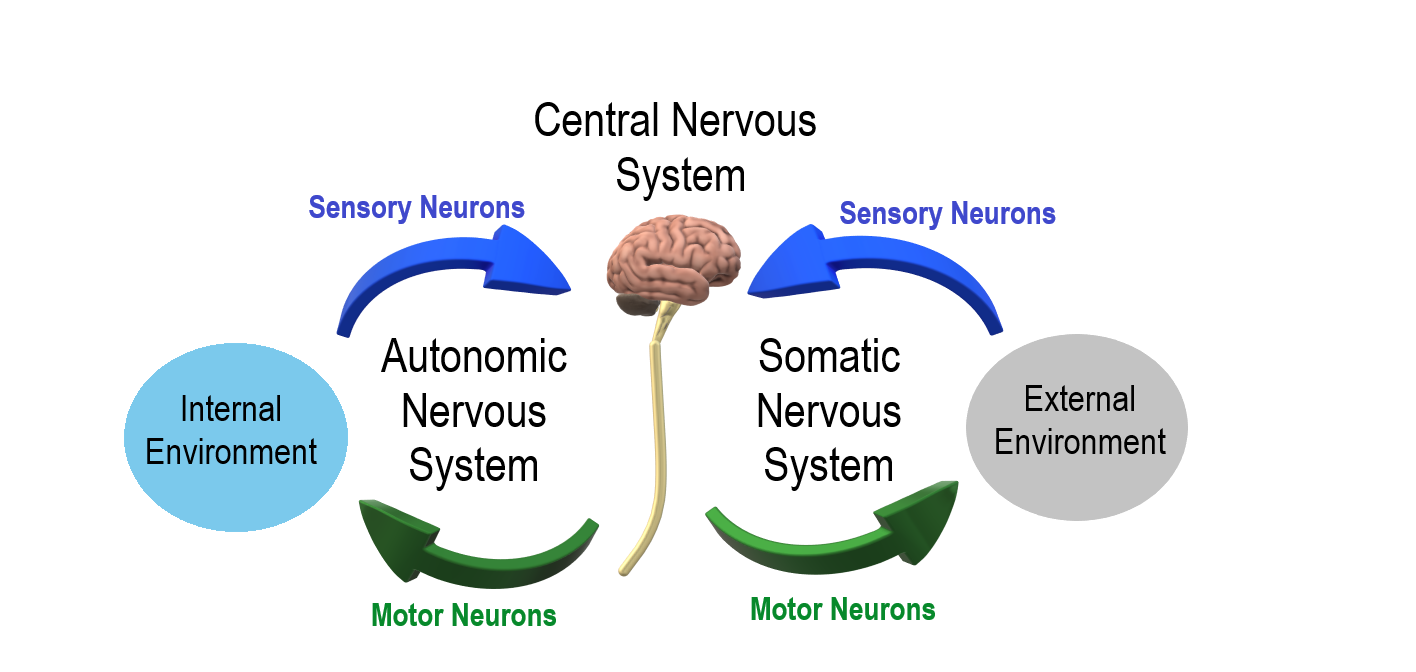
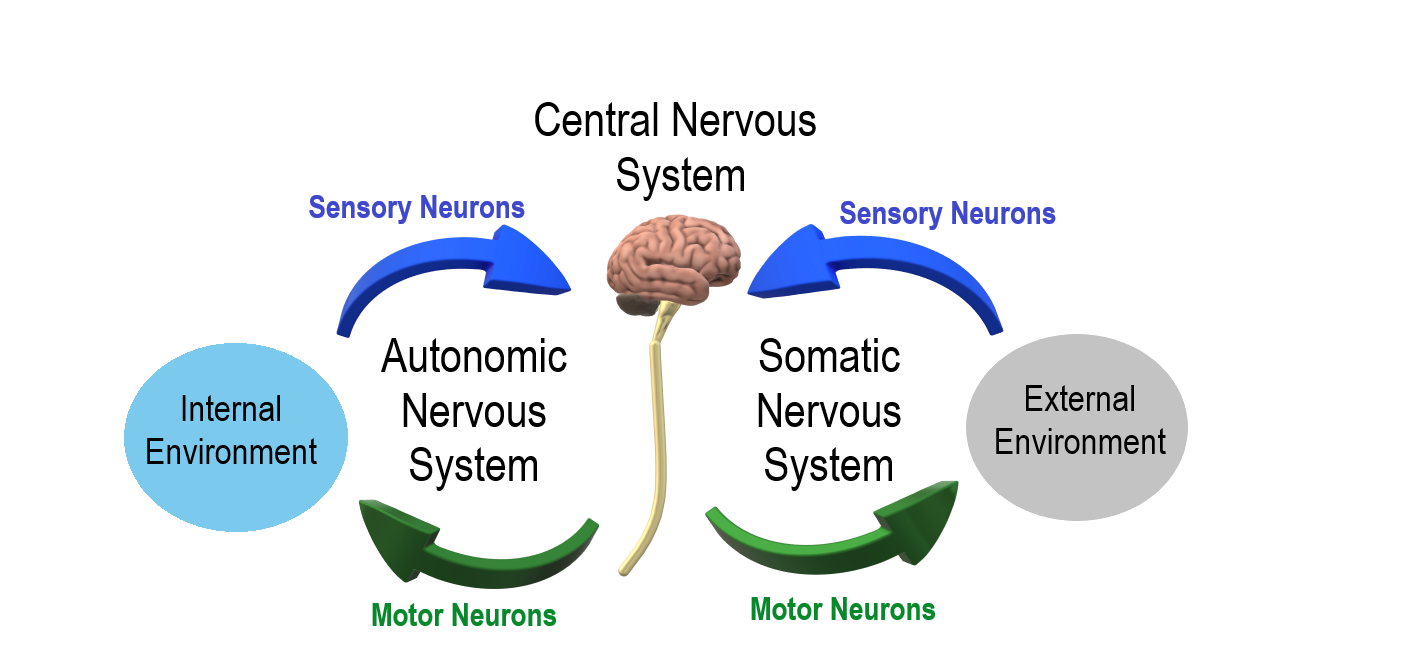
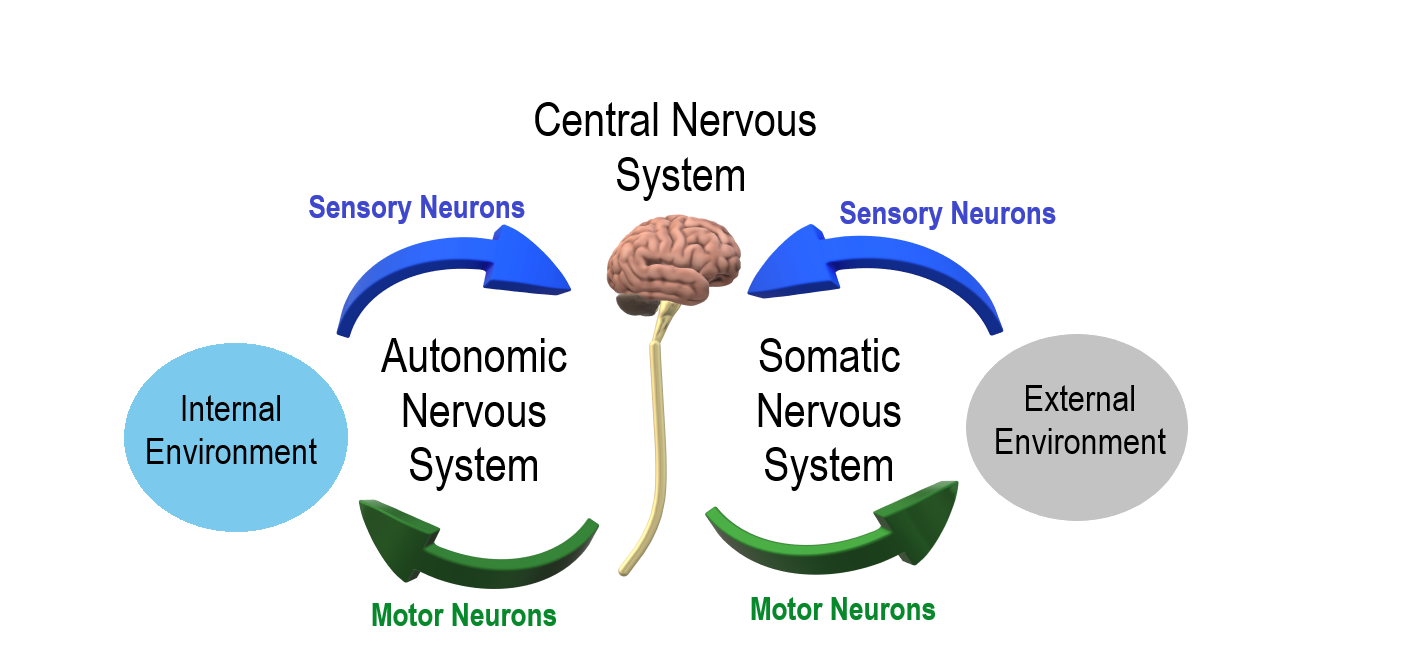
We operate under the dangerous assumption that our decisions are the product of pure analytical processing. In reality, our cognitive output is merely the final stage of a massive, silent processing pipeline. By the time a thought hits your conscious awareness, your autonomic nervous system has already run a diagnostic, processed past traumas, and calculated survival risks based on physiological state.
When you encounter a “gut feeling,” you aren’t experiencing mysticism. You are experiencing the raw output of your subconscious hardware. The problem isn’t that you lack data; it’s that your conscious mind is busy rationalizing decisions that your body has already vetoed.
The Somatic Backdoor
If Applied Kinesiology (AK) is the diagnostic tool for identifying these conflicts, then Somatic Literacy is the strategic skill required to prevent them. Most leaders suffer from “Somatic Sabotage,” a state where the nervous system is locked in an invisible feedback loop of defense, forcing the brain to work in a state of high-friction compensation.
You are likely leaking 20% of your executive capacity not because of a lack of skill, but because you are operating in a state of neurological miscalibration. You are trying to download software (strategy) onto hardware (nervous system) that is currently preoccupied with an internal threat response.
Beyond the Tool: Building an Interoceptive Dashboard
While external diagnostic tools like AK provide the objective read, true elite performance requires developing interoception—the ability to perceive the internal state of your own body with surgical precision. To stop the sabotage, you must bridge the gap between biological feedback and executive action.
1. Identifying the Physiological ‘Noise Floor’
Before you can make a major strategic decision, you must establish your current neurological baseline. Are you operating from a place of curiosity or a place of threat? A body in a fight-or-flight state will perceive a high-growth opportunity as an existential threat. Learn to identify the subtle physical cues of this state: shallow breathing, hyper-fixation on risk, or the loss of peripheral vision. This is your body telling you the decision engine is currently running on ‘defense mode.’
2. The 30-Second ‘System Reset’
If you identify that your rational reasoning is being skewed by a dysregulated nervous system, do not try to ‘think’ your way out of it. You cannot reason with a nervous system that is currently pumping cortisol. Use physical resets—such as specific respiratory patterns or bilateral stimulation—to force the system back into parasympathetic regulation before revisiting the decision.
3. The Decision Cross-Check: The ‘Body-Logic’ Audit
Stop asking, “Does this decision make sense?” Start asking, “Does my current neurological state allow for an objective evaluation of this decision?” If the two are misaligned, your logic is fundamentally flawed, regardless of how robust your spreadsheet is. If your physiology is inhibited, you are effectively flying a jet with a compromised navigation system; no amount of pilot skill will make up for the bad telemetry.
The Future of Executive Leadership
The next generation of elite performance isn’t just about faster AI-driven insights or more bio-tracking wearables. It’s about biological self-governance. The CEO who understands that their body is an active participant in their strategic architecture will always outperform the one who treats their body as an inconvenient, separate entity.
Stop trying to win the game with just half your system. Integrate the somatic. Stop the sabotage at the source.



Leave a Reply