1. Introduction: Defining the shift from static social contracts to dynamic, digital-first governance. 2. Key Concepts: Exploring “Iterative Digital Consensus” and the evolution of the social contract in the Web3/DAO era. 3. Step-by-Step Guide: How organizations and communities implement consensus-based updates. 4. Real-World Applications: Case studies in protocol governance and decentralized organizations. 5. Common Mistakes: Why top-down enforcement fails and how to avoid “consensus fatigue.” 6. Advanced Tips: Implementing liquid democracy and quadratic voting for better outcomes. 7. Conclusion: The future of participatory governance.
***
The Social Contract: Why Digital Consensus is the New Foundation of Governance
Introduction
For centuries, the “social contract”—the philosophical agreement where individuals consent to surrender some freedoms in exchange for the protection and order of a state—has been viewed as a static, historical document. Whether it was the Magna Carta or the United States Constitution, these contracts were designed to be rigid, enduring through generations with minimal alteration.
However, the rapid digitization of human coordination has rendered the static model obsolete. We are witnessing a fundamental shift: the social contract is no longer a historical artifact, but a living, breathing set of rules continuously updated through iterative digital consensus rounds. In an age of decentralized networks, global collaboration, and instant feedback loops, the legitimacy of any governing structure now depends on its ability to evolve alongside its constituents.
Key Concepts
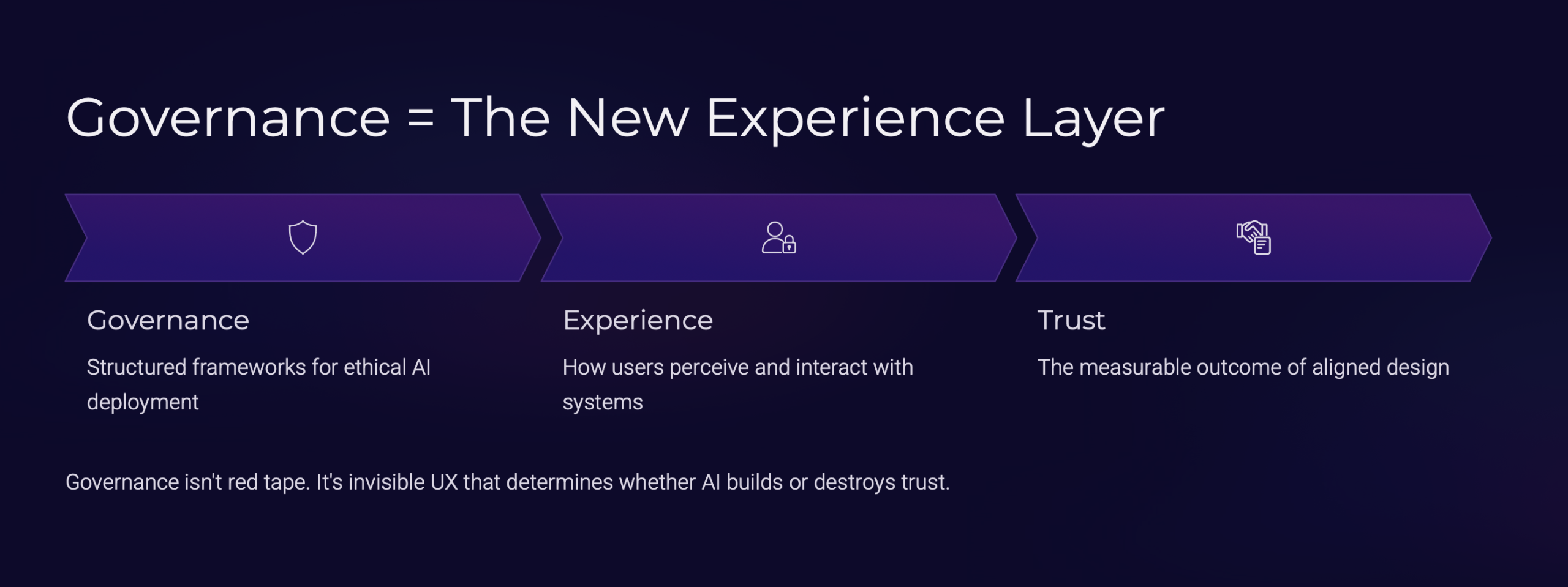
To understand the modern social contract, we must first define Iterative Digital Consensus. This is a framework where rules, policies, and resource allocations are subjected to recurring, transparent, and verifiable voting cycles. Instead of waiting for a legislative session or a crisis to amend a constitution, digital communities update their internal “laws” in real-time.
The core components include:
Digital Identity and Verification: Ensuring that participants are authentic and that their influence is proportional to the established rules of the community.
On-Chain Governance: Utilizing blockchain or decentralized ledger technology to ensure that once a consensus is reached, the implementation of the decision is automated and tamper-proof.
Feedback Loops: The mechanism by which data from previous consensus rounds informs the parameters of the next, creating an evolutionary pressure on the governance model itself.
This transition moves us from “consent by mandate” to “consent by participation.” By treating the social contract as software—something that can be patched, updated, and refined—we create systems that are more resilient, transparent, and aligned with the actual needs of the people they serve.
Step-by-Step Guide
Implementing iterative consensus requires moving away from traditional bureaucracy toward structured, decentralized collaboration. Here is how organizations can operationalize this process:
Define the Parameters: Clearly identify which aspects of the organization are subject to change. Not every rule needs to be voted on; define the “constitution” (hard-coded rules) versus the “policy” (parameters subject to iterative updates).
Establish a Proposal Framework: Create a standardized format for submitting changes. This should include the technical rationale, the desired outcome, and the impact on the existing social contract.
Implement Transparent Discussion Phases: Before voting begins, host a public forum. This allows the community to refine proposals, reducing the risk of “black swan” outcomes and ensuring that the consensus is informed.
Execute the Consensus Round: Utilize a secure digital platform to hold the vote. Ensure that voting weight is clearly defined—whether it is one-person-one-vote, reputation-weighted, or token-weighted.
Automate Enforcement: Where possible, use smart contracts to execute the outcome of the vote. If the consensus was to increase a budget or change an access permission, the system should update itself without human intervention.
Review and Iterate: After the implementation, analyze the data. Did the update achieve the intended goal? Use this data as the foundation for the next consensus round.
Examples and Case Studies
The most prominent real-world applications of this model are found within Decentralized Autonomous Organizations (DAOs) and open-source protocol ecosystems. One notable example is the MakerDAO governance model. MakerDAO manages the DAI stablecoin through a continuous cycle of governance polls and executive votes.
When market volatility occurs, the community does not wait for a board of directors to convene. Instead, they propose adjustments to interest rates or collateral requirements, which are voted on by token holders. The protocol’s “social contract”—the rules by which the stablecoin maintains its peg—is updated iteratively based on the collective wisdom and risk assessment of the community.
Another example can be found in open-source software development, such as the maintenance of the Linux Kernel. While not always blockchain-based, the process of iterative commits and peer review functions as a social contract. Developers agree to the rules of the repository, and the “consensus” is reached through a meritocratic process of code review, effectively updating the project’s direction every single day.
Common Mistakes
Transitioning to iterative governance is fraught with pitfalls. Avoid these common errors to maintain the integrity of your community:
Consensus Fatigue: Asking your constituents to vote on every minor detail leads to participation drop-offs. Delegate low-stakes decisions to specialized sub-committees to keep engagement high for critical issues.
Ignoring “Silent” Stakeholders: In many digital systems, the loudest voices dominate. If you do not actively seek the input of passive but vital members, you risk a “tyranny of the minority” that can lead to splintering.
Lack of Technical Guardrails: Iterative consensus can be dangerous if the code is buggy. Always implement “circuit breakers” or time-locks that allow for emergency intervention if an update introduces a vulnerability.
Over-Complexity: If the process for participating in a consensus round is too difficult or expensive, you will naturally exclude anyone who isn’t a power user, undermining the legitimacy of the outcome.
Advanced Tips
To take your governance to the next level, consider implementing advanced voting mechanisms that better capture the nuances of human preference:
“True consensus is not about the majority winning; it is about finding a solution that the minority can live with, even if they don’t fully support it.”
Quadratic Voting is a powerful tool for this. It allows participants to express not just their preference, but the intensity of their preference by allocating “voice credits” that cost exponentially more to use on a single issue. This prevents wealthy or powerful entities from simply out-voting everyone else, as the cost of accumulating influence becomes prohibitively high.
Liquid Democracy is another sophisticated model. It allows participants to either vote directly on issues or delegate their voting power to a trusted expert in a specific field. This creates a hybrid between direct and representative democracy, ensuring that the community benefits from both broad participation and specialized knowledge.
Conclusion
The static social contract is a relic of an era when communication was slow and change was expensive. In our digital age, the ability to update the rules of engagement in real-time is not just a competitive advantage—it is a requirement for long-term survival. By embracing iterative digital consensus, organizations can build systems that are more transparent, responsive, and equitable.
The journey toward dynamic governance requires a shift in mindset: we must stop seeing the “contract” as something to be preserved, and start seeing it as a living framework to be curated. Whether you are managing a decentralized protocol, a digital community, or a corporate team, the principles of iterative consensus provide the tools to build a more resilient and participatory future.