
The Science of Self-Regulation: Enhancing Focus, Memory, and Mood with Neurofeedback
Introduction
For decades, the idea of “training the brain” was relegated to the realm of science fiction or speculative psychology. Today, neurofeedback—a form of biofeedback that uses real-time displays of brain activity—has emerged as a scientifically validated tool for cognitive enhancement. By teaching the brain to self-regulate, individuals can move beyond simple willpower to physically alter their neural patterns, leading to sharper focus, improved memory retention, and superior emotional control.
Whether you are a high-performing professional struggling with the “scattered brain” syndrome of the digital age, or an individual seeking to mitigate the physiological impact of chronic stress, neurofeedback offers a non-invasive path to optimization. This article explores how you can leverage neuroplasticity to literally reshape your mental performance.
Key Concepts
At its core, neurofeedback operates on the principle of operant conditioning. Your brain produces electrical activity in the form of brainwaves, categorized by frequency: Delta (deep sleep), Theta (drowsiness/creativity), Alpha (relaxed alertness), Beta (active thinking), and Gamma (high-level processing).
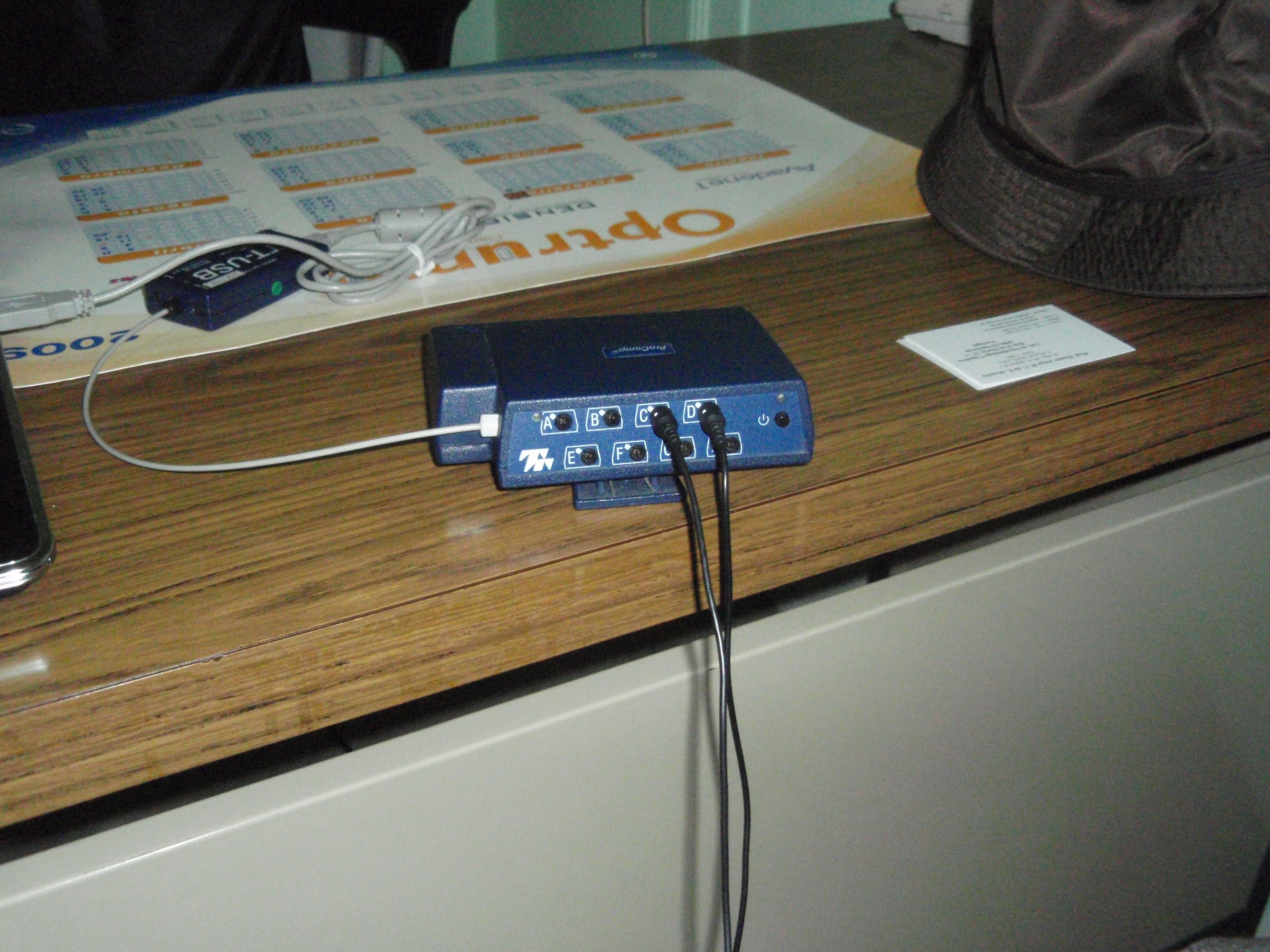
When you engage in neurofeedback, sensors (electrodes) are placed on the scalp to monitor these frequencies. Sophisticated software translates this activity into a feedback loop—often a video game or a visual display. When your brain enters a desired state—for example, the “Beta” waves associated with deep focus—the game moves forward or the screen becomes brighter. When your focus drifts, the feedback stops. Through thousands of these micro-adjustments, the brain learns to recognize and sustain optimal states independently.
Neuroplasticity is the engine behind this process. It is the brain’s ability to reorganize itself by forming new neural connections. Neurofeedback provides the specific, repetitive “exercise” required to strengthen the pathways associated with executive function and emotional stability.
Step-by-Step Guide
Implementing neurofeedback requires a structured approach. While clinical neurofeedback is best performed with a licensed practitioner, home-based systems have become increasingly sophisticated.
- Assessment and Goal Setting: Begin by identifying your primary challenge. Are you looking to eliminate “brain fog” during deep work? Do you need to decrease reactivity during high-stress meetings? A professional QEEG (Quantitative EEG) brain map can provide a baseline of your current neural activity.
- Equipment Selection: Choose a reputable hardware provider. Devices like the Muse headband or more advanced clinical-grade systems like Myndlift or Neuroptimal differ in complexity. For beginners, consumer-grade headbands are excellent for mindfulness-based training.
- Consistency Over Intensity: The brain learns through repetition, not duration. Aim for sessions lasting 15 to 30 minutes, 3 to 5 times per week. Attempting a two-hour session will likely result in mental fatigue rather than neural growth.
- The Feedback Loop: During your session, choose a task that matches your goal. If training for focus, use a visual task that requires sustained attention. Do not try to “force” your brain to change; instead, maintain a light, curious focus on the feedback mechanism.
- Integration: The final step is crucial: bridging the gap between the training environment and reality. After a session, immediately transition into a task that requires the skill you just trained (e.g., writing a report or practicing a difficult conversation).
Examples and Case Studies
Case Study 1: The Executive’s Focus. A corporate executive suffering from “attention residue”—the inability to focus on one task due to constant digital interruptions—underwent 20 sessions of SMR (Sensory Motor Rhythm) neurofeedback. By training the brain to increase SMR waves, which are linked to a “calm-alert” state, the executive reported a 40% reduction in time taken to complete complex tasks and a significant decrease in end-of-day mental exhaustion.
Case Study 2: Emotional Regulation in High-Stress Environments. A competitive athlete utilized neurofeedback to manage pre-game anxiety. By training the brain to shift from high-Beta (anxiety/panic) to Alpha (relaxed focus) states on command, the athlete was able to “down-regulate” their nervous system during high-pressure moments, leading to more consistent performance under stress.
Common Mistakes
- The “More is Better” Trap: Attempting to over-train leads to irritability and headaches. Neurofeedback is a form of cognitive workout; your brain requires rest periods to consolidate the new neural patterns you are building.
- Expectation of Instant Results: Neurofeedback is not a stimulant pill. It is a training regimen. While some notice immediate benefits, lasting neurological change typically requires 15 to 40 sessions.
- Ignoring Hygiene Factors: Neurofeedback cannot compensate for sleep deprivation, poor nutrition, or chronic dehydration. These factors affect your baseline electrical activity and will render your training ineffective.
- Lack of Targeted Training: Training a generalized “calm” state is fine, but if your goal is memory, you must incorporate cognitive tasks (like memory games) while the brain is in a receptive, trained state.
“Neurofeedback is not about changing your personality; it is about providing your brain with the tools to regulate its own energy. It is the difference between driving a car with a manual transmission versus an automatic—you are finally in control of the gears.”
Advanced Tips
To maximize your gains, treat neurofeedback as one pillar of a “brain-first” lifestyle. Use Heart Rate Variability (HRV) training in tandem with your neurofeedback sessions. While neurofeedback targets the brain, HRV training targets the autonomic nervous system. Synchronizing these two creates a powerful feedback loop that stabilizes your mood and cognitive performance simultaneously.
Furthermore, consider the environment in which you train. Training in a quiet, distraction-free room allows the brain to isolate the specific signals it is learning to control. Once you have reached a high level of proficiency, introduce “distractor stimuli”—such as white noise or moderate background activity—to test if your brain can maintain focus despite external interference.
Finally, document your progress. Keep a journal of your cognitive “wins.” Did you remember a name you would usually forget? Did you remain calm during a heated disagreement? Subjective reporting is vital because neurofeedback often produces subtle changes in behavior that you might overlook if you aren’t paying attention.
Conclusion
Neurofeedback represents a shift toward proactive brain health. By moving away from the belief that our cognitive and emotional states are fixed, we empower ourselves to optimize our neural architecture. Through consistent, data-driven training, you can significantly enhance your ability to focus, recall information, and maintain emotional equilibrium in an increasingly chaotic world.
Start small, remain consistent, and treat your brain with the same respect you would treat any other high-performance instrument. The goal is not perfection, but the ability to return to a state of balance and clarity whenever life demands it of you.
Leave a Reply